In today’s highly competitive business landscape, companies need more than quality products or services to stand out. Customers are increasingly drawn to brands that communicate clear values, consistent messaging, and memorable experiences. This is why branding for businesses has become one of the most important long-term strategies for sustainable growth. Find more with OSCA Asia.
1. What is branding for businesses?
Branding for businesses refers to the process of creating a unique identity that shapes how customers, employees, and the market perceive a company. It is not limited to logos or advertising campaigns, branding represents the overall personality, values, and experience associated with a business.
Several important components contribute to effective business branding:
- Brand identity: Brand identity includes all visual and communication elements that represent the business. This includes the company logo, typography, colors, imagery, website design, and even office interiors. A strong identity creates consistency and helps customers easily recognize the brand across multiple platforms.
- Brand perception: Brand perception refers to how people emotionally and psychologically view the company. Even if a business has strong visuals, customer experiences and communication quality ultimately shape public perception.
- Brand positioning: Brand positioning defines how a company wants to be perceived within its industry. Businesses need a clear value proposition that explains why customers should choose them over competitors.
- Brand consistency: Consistency is essential in branding. Companies that maintain consistent messaging, visual identity, and customer experience across all touchpoints tend to build stronger trust and recognition over time.
Key elements of successful business branding
Although branding and marketing are closely connected, they serve different business purposes.
Branding shapes perception
Branding focuses on building a long-term identity for the company. It defines the company’s personality, mission, values, and overall image in the minds of customers. Strong branding creates emotional connections that influence customer loyalty and trust. For example, when customers immediately associate a company with innovation, professionalism, or creativity, that perception is the result of successful branding.
Marketing promotes offers
Marketing focuses more on short-term campaigns and promotional activities designed to generate leads or sales. It includes advertising, social media campaigns, email marketing, and other promotional efforts. While marketing attracts attention, branding determines how people feel about the company after interacting with those campaigns.
Branding creates long-term recognition
Marketing campaigns may change regularly, but branding remains consistent over time. Businesses with strong branding often achieve better long-term customer retention because customers recognize and trust the brand beyond individual products or promotions.

Visual branding and corporate identity essentials
2. Why branding is important for business growth
2.1 Branding builds customer trust
Trust is one of the most valuable assets a company can build. Customers are more likely to purchase from businesses that appear reliable, professional, and consistent.
First impressions matter
Customers often form opinions about a company within seconds. A professional logo, modern website, cohesive office environment, and polished communication style all contribute to positive first impressions. Poor or inconsistent branding can make even high-quality businesses appear unprofessional or outdated.
Professional branding improves credibility
Strong branding helps businesses establish authority within their industry. When visual identity, messaging, and customer experience are professionally aligned, customers are more likely to perceive the business as trustworthy and experienced. Professional branding also improves confidence among investors, business partners, and potential employees.
Consistency creates familiarity
Consistent branding across websites, social media, office spaces, and customer interactions helps customers become more familiar with the company. Familiarity often leads to stronger trust and higher customer confidence. Businesses that maintain consistency are also easier to remember in competitive markets.

Strong branding builds customer trust
2.2 Strong branding improves customer retention
Attracting customers is important, but retaining them is even more valuable for long-term growth.
Emotional connection
Customers are more likely to remain loyal to brands that align with their values and lifestyle. Emotional branding creates deeper relationships that go beyond products or pricing. Brands that communicate authenticity and purpose often build stronger communities around their business.
Brand recall
Memorable branding helps customers quickly recognize a company when making purchasing decisions. Strong visual identity and consistent communication improve brand recall and increase the likelihood of repeat engagement.
Repeat business
When customers trust and recognize a brand, they are more likely to return for future purchases or services. Repeat customers not only increase revenue but also contribute to positive word-of-mouth marketing.

Consistent branding improves customer recognition
2.3 Branding supports employee engagement
Branding is not only external, it also influences company culture and employee experience.
Employees connect with company values
Employees are more engaged when they understand and relate to the company’s mission and values. Clear branding creates a sense of direction and purpose within the organization. A strong internal brand culture also encourages employees to become ambassadors for the company.
Strong internal culture improves retention
Positive workplace culture improves employee satisfaction and retention. Businesses with strong branding often create environments where employees feel motivated, appreciated, and connected to the organization’s goals. This can significantly reduce turnover and improve overall productivity.
Workplace environment reinforces company identity
Office design, collaborative spaces, and branded environments help reinforce company culture. Modern workplace branding allows businesses to visually communicate innovation, professionalism, or creativity through interior design. Employees working in inspiring environments often feel more connected to the company identity.

Employee engagement through workplace branding
2.4 Branding increases business value
Strong branding directly contributes to long-term business growth and market value.
Higher perceived value
Customers often perceive branded businesses as more premium and trustworthy. As a result, companies with strong branding can often charge higher prices compared to competitors with weaker identities.
Easier expansion opportunities
Businesses with established branding can expand more easily into new markets, services, or product categories because customers already recognize and trust the brand.
Better investor confidence
Investors are more likely to support businesses with clear positioning, professional branding, and strong market recognition. A recognizable brand often signals long-term growth potential and business stability.

Business growth supported by strong brand identity
3. The core elements of successful business branding
Brand mission and values
A strong brand begins with a clear mission and well-defined values.
- Purpose-driven branding: Modern customers increasingly support businesses that stand for meaningful values. Purpose-driven branding helps companies create stronger emotional engagement and long-term customer loyalty.
- Clear company vision: A clear vision helps guide decision-making, communication strategies, and business development. It ensures consistency across internal and external branding efforts.
Visual identity
Visual identity is one of the most recognizable aspects of branding for businesses.
- Logo: A logo serves as the visual representation of the company. Effective logos are simple, memorable, and aligned with the company’s personality and industry.
- Typography: Typography influences readability and visual consistency. Font choices can communicate professionalism, creativity, innovation, or luxury depending on the branding strategy.
- Color palette: Colors play an important psychological role in branding. Different colors create different emotional responses and help reinforce brand recognition.
- Brand guidelines: Brand guidelines ensure consistency across all communication channels, helping businesses maintain a cohesive and professional image.
Brand voice and messaging
The way a company communicates is just as important as its visual identity.
- Tone consistency: Maintaining a consistent tone across websites, emails, social media, and presentations strengthens brand identity and customer trust.
- Communication style: Clear and effective communication improves customer understanding while reinforcing the company’s professionalism and expertise.
- Content strategy: SEO-focused content, educational articles, and value-driven messaging help businesses increase visibility while establishing authority within their industry.

Consistent branding across digital and physical spaces
Customer experience
Customer experience plays a major role in modern branding strategies.
- Website experience: A visually appealing and user-friendly website improves credibility and encourages customer engagement. Website design should align closely with overall brand identity.
- Service quality: Excellent customer service strengthens positive brand perception and encourages long-term customer loyalty.
- Office environment: Physical office spaces influence how customers and employees experience the brand. Well-designed environments can communicate professionalism, innovation, and company culture.
- Digital touchpoints: Every digital interaction including emails, social media, and online support should reflect consistent branding and communication standards.
Workplace branding
Modern businesses increasingly use workplace design as part of their branding strategy.
- Office design reflects company culture: Workspace design can visually communicate company values, work style, and organizational culture. Open collaborative layouts may reflect innovation, while elegant private offices may communicate professionalism and exclusivity.
- Interior design strengthens brand identity: Branded interior design creates immersive experiences for employees and visitors. Incorporating company colors, graphics, and visual identity elements strengthens brand recognition within physical spaces.
- Wayfinding and branded environments: Signage systems, wall graphics, and environmental branding improve navigation while creating a more cohesive workplace experience.
Office spaces that communicate innovation and professionalism
4. How workplace design supports branding for businesses
4.1 The connection between workspace and brand identity
Physical environments strongly influence how people perceive a business. Office design communicates company culture, professionalism, and values before conversations even begin. A thoughtfully designed workspace can help businesses reinforce innovation, collaboration, creativity, or trust depending on their branding goals.
4.2 Branded office design improves employee experience
Employees spend a significant amount of time in the workplace, making office design an important factor in engagement and productivity.
Branded office environments can:
- Improve employee morale
- Encourage collaboration
- Increase creativity
- Strengthen company culture
- Support employee well-being
When employees feel connected to their environment, they often develop stronger emotional connections with the company itself.

Branded office environments for business growth
4.3 Customer-facing spaces strengthen brand recognition
Reception areas, meeting rooms, and collaborative spaces are important touchpoints for visitors and clients. Professionally branded customer-facing environments help businesses create memorable impressions while reinforcing trust and professionalism. Consistent design across physical spaces also strengthens overall brand recognition.
4.4 Examples of workplace branding in modern offices
Different industries apply workplace branding in different ways depending on their business goals and culture.
Technology companies often use futuristic and flexible office layouts to encourage creativity and innovation. Finance firms usually prioritize elegance, professionalism, and trustworthiness through structured design. Creative industries tend to focus on vibrant visual identity and collaborative spaces.
Several projects by OSCA Asia demonstrate how workplace design can effectively support branding for businesses.
Traveloka Office
The Traveloka office incorporates signature blue brand tones, dynamic graphics, and collaborative workspaces that reflect innovation, energy, and digital connectivity.

Traveloka office design featuring dynamic brand identity
SEACO Office
The SEACO office integrates corporate colors and professional layouts to create a workspace that reflects reliability, structure, and strong corporate identity.

SEACO office reflecting professional corporate branding
Accuracy Office
The Accuracy office features logo-inspired design elements, modern materials, and clean spatial organization that reinforce a sophisticated and cohesive brand image.

Accuracy office interior with logo-inspired design elements
Bull Office
The Bull office uses minimalist design principles, functional layouts, and contemporary branding elements to communicate innovation and modern business culture.
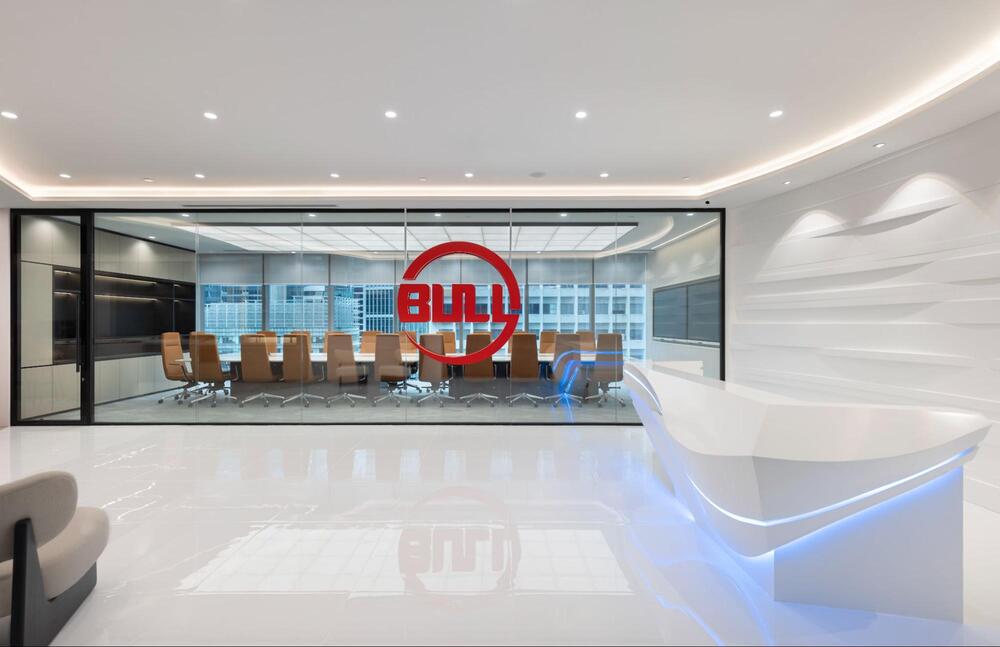
Bull office design reflecting innovation and minimalism
Effective branding for businesses goes far beyond logos or advertising campaigns. It shapes how customers, employees, and stakeholders perceive the company across every interaction and experience. As workplace experience continues to evolve, office design and branded environments will become increasingly important components of modern business branding strategies.