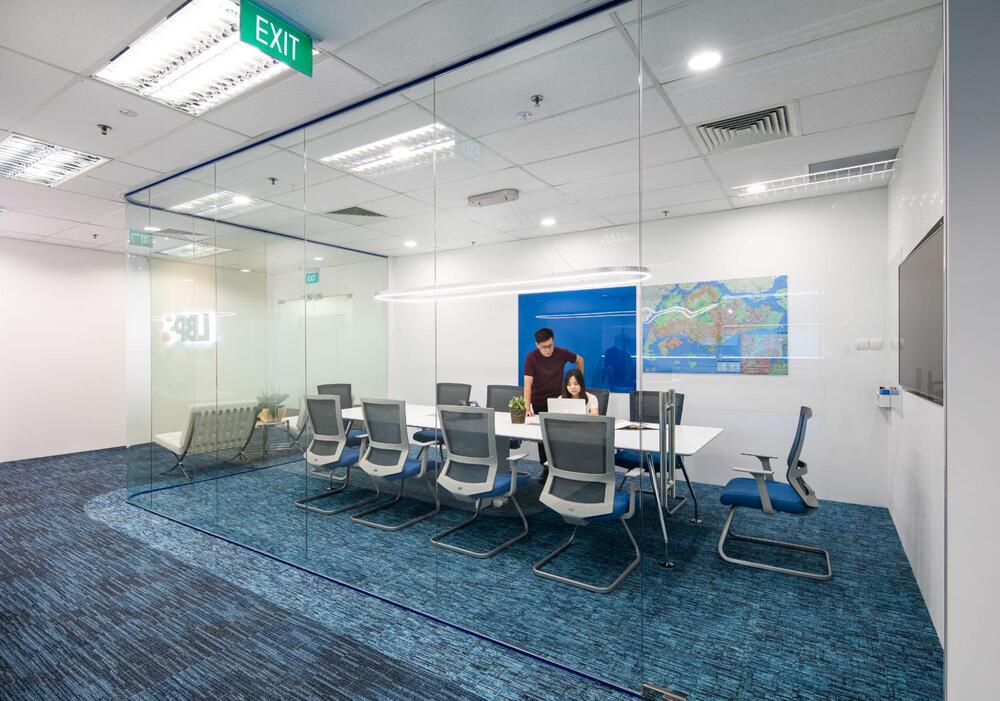
Today, organizations recognize that employee wellbeing plays a critical role in productivity, engagement, and long-term business success. As companies compete to attract and retain top talent, wellness office design has become a key strategy for creating healthier, happier, and more effective work environments. In this guide, OSCA Asia explores the principles of wellness office design and how businesses can create workplaces that support both people and performance.
1. Core principles of wellness office design
Effective wellness office design goes beyond aesthetics. It focuses on creating environments that promote physical, mental, social, and emotional wellbeing throughout the workday.
Physical wellness
Physical wellness is one of the most important foundations of a healthy workplace. Employees spend a significant portion of their day at their desks, making comfort and ergonomics essential. Key features include:
- Ergonomic office chairs and desks
- Sit-stand workstations that encourage movement
- Flexible layouts that reduce sedentary behavior
- Proper workstation setup to minimize strain and fatigue
Mental wellness
Modern employees face increasing levels of stress and distraction. Wellness office design helps create spaces that support focus and mental wellbeing. Examples include:
- Quiet zones for concentrated work
- Focus rooms for individual tasks
- Acoustic solutions that minimize distractions
- Calm environments designed to reduce stress
Social wellness
Human connection remains essential in the workplace. Social wellness encourages collaboration, communication, and a sense of community. Important design elements include:
- Collaborative workspaces
- Informal meeting areas
- Community hubs and social lounges
- Flexible gathering spaces
Emotional wellness
Employees perform best when they feel valued, supported, and included. Wellness-focused workplaces can enhance emotional wellbeing through:
- Inclusive workplace design
- Employee-centric experiences
- Flexible working environments
- Spaces that promote a sense of belonging
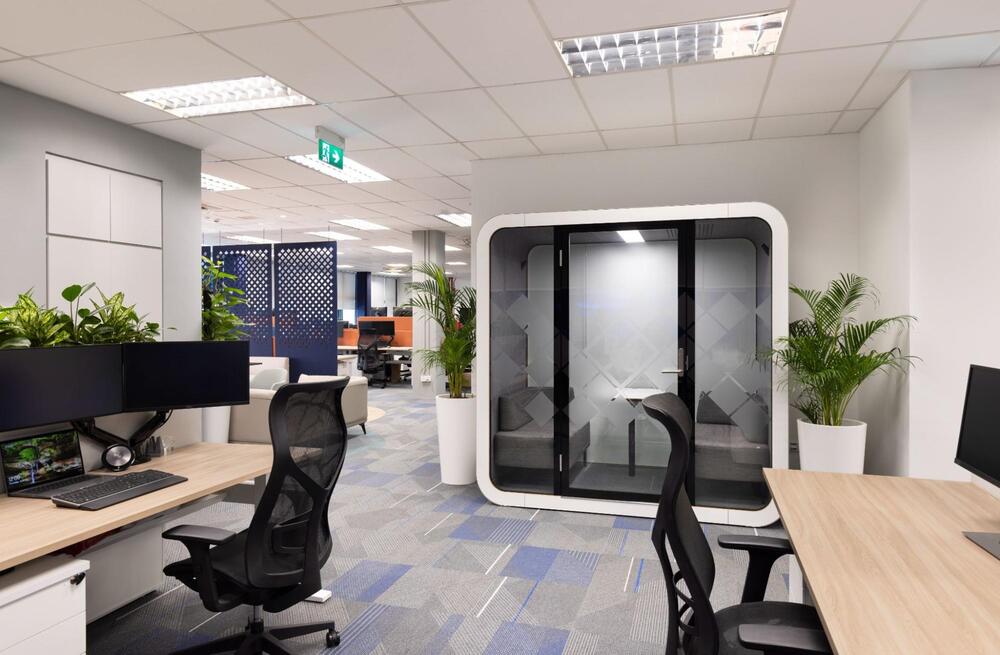
Flexible workplace designed around employee needs
2. Key elements of an effective wellness office design
Creating a wellness-focused workplace requires a combination of environmental, ergonomic, and experiential design strategies.
2.1 Maximizing natural light
Natural light is one of the most effective ways to improve workplace wellbeing. Studies consistently show that access to daylight positively affects both physical and mental health.
Benefits of natural light include:
- Improved circadian rhythm regulation
- Enhanced mood and wellbeing
- Increased productivity and alertness
- Reduced eye strain and fatigue
Workspaces should be planned to maximize daylight penetration while minimizing glare and excessive heat.
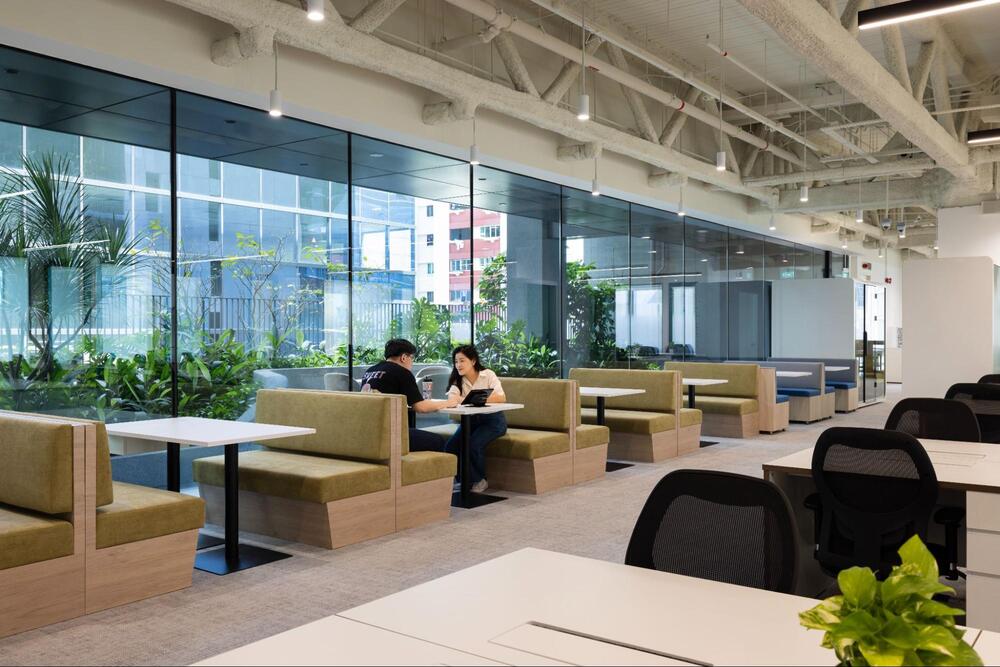
Natural light enhancing employee wellbeing and productivity
2.2 Indoor air quality and ventilation
Air quality has a direct impact on employee health and cognitive performance. A healthy office environment should incorporate:
- Advanced ventilation systems
- Air purification technologies
- Regular air quality monitoring
- Reduced exposure to pollutants and allergens
Better indoor air quality contributes to improved concentration, fewer sick days, and higher workplace satisfaction.
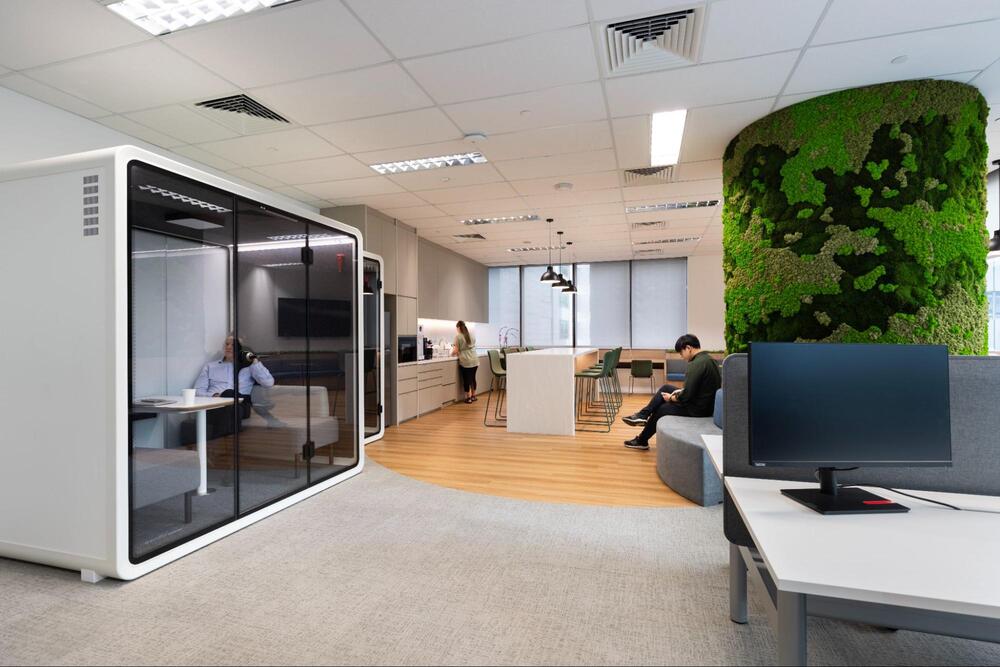
Healthy office environment with advanced air ventilation systems
2.3 Acoustic comfort
Noise remains one of the most common workplace complaints. Effective acoustic planning helps employees focus while supporting collaboration. Solutions include:
- Sound-absorbing materials
- Soundproof meeting rooms
- Phone booths for private conversations
- Acoustic partitions and ceiling treatments
A balanced acoustic environment allows employees to work productively without unnecessary distractions.
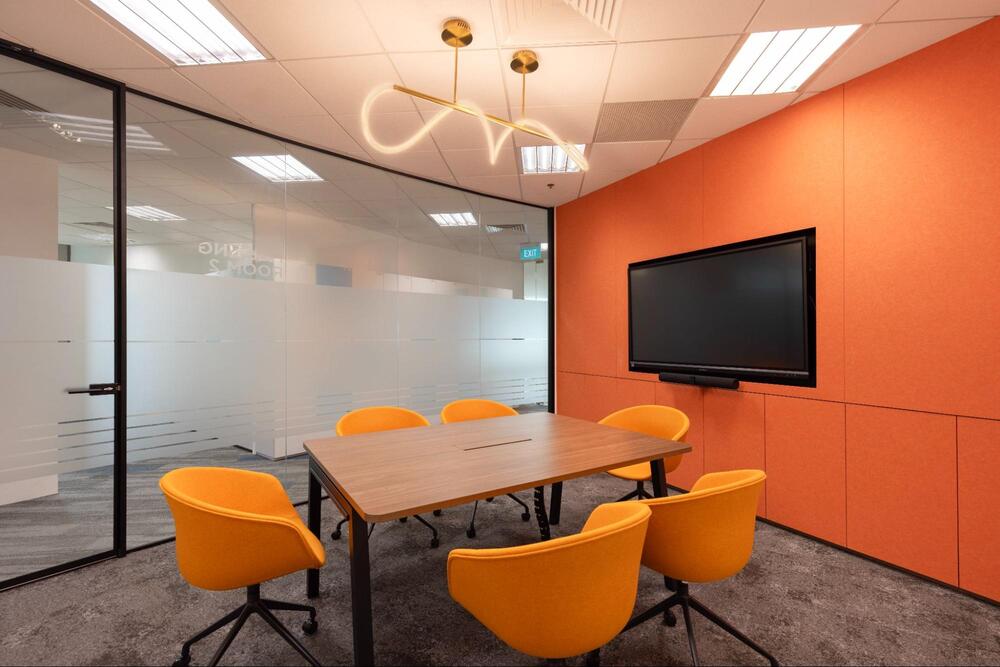
Soundproof meeting room supporting focused discussions
2.4 Biophilic design integration
Biophilic design connects people with nature, creating healthier and more engaging workplaces. Popular biophilic elements include:
- Indoor plants
- Living green walls
- Natural materials such as wood and stone
- Views of outdoor environments
Research suggests that biophilic design can reduce stress, improve creativity, and enhance employee wellbeing.
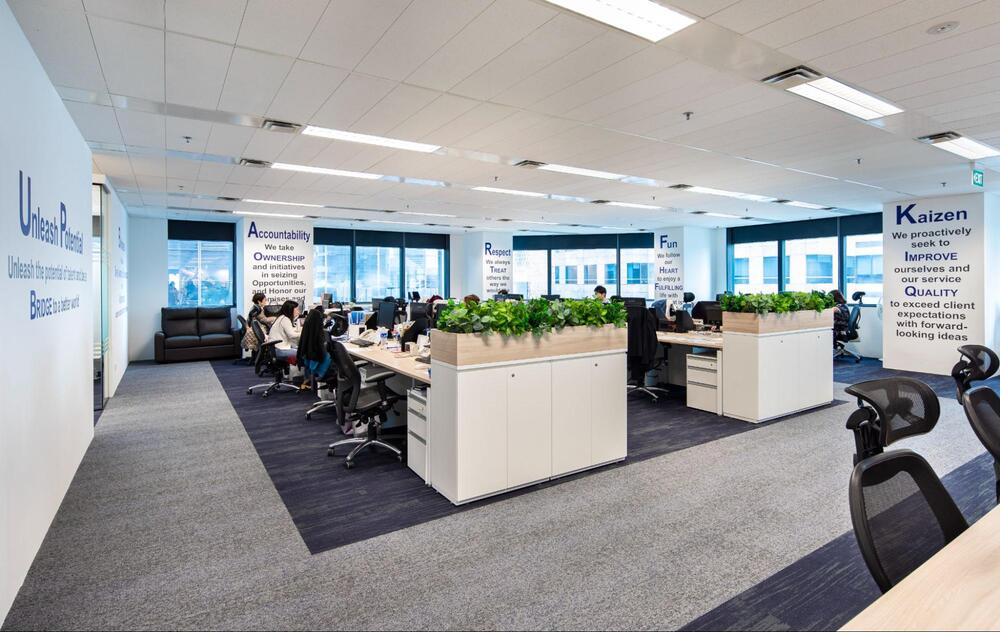
Biophilic office design featuring indoor greenery
2.5 Comfortable thermal conditions
Temperature plays a significant role in workplace comfort and productivity. Organizations should focus on:
- Effective climate control systems
- Flexible temperature settings
- Employee comfort preferences
- Consistent indoor thermal conditions
A comfortable environment helps employees remain focused and productive throughout the day.
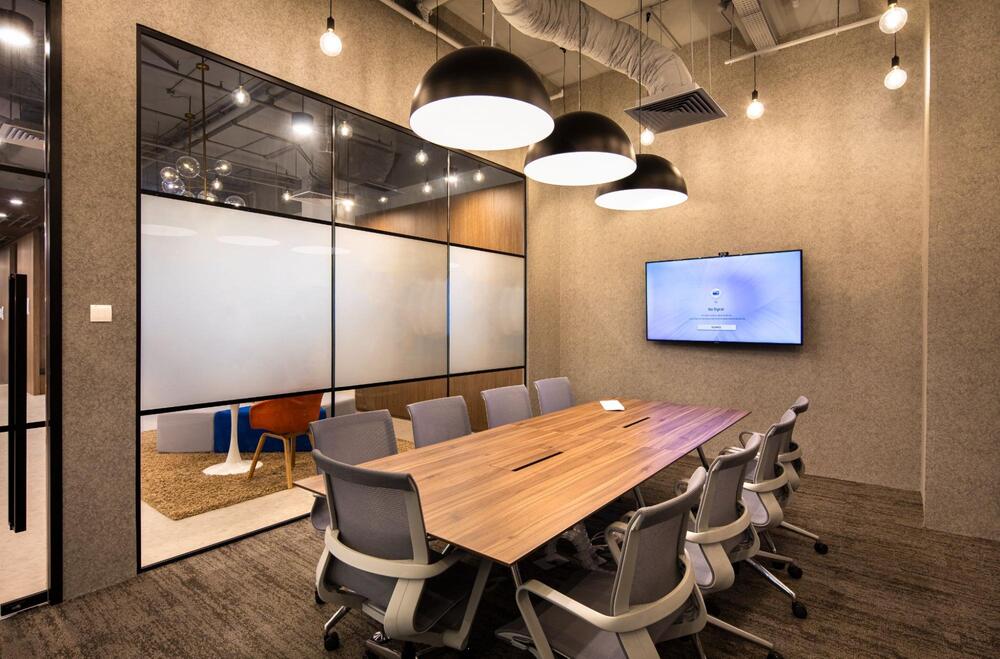
Comfortable office environment with optimized climate control
2.6 Healthy workplace amenities
Wellness amenities demonstrate a company’s commitment to employee wellbeing. Examples include:
- Wellness rooms
- Fitness and exercise spaces
- Relaxation zones
- Healthy pantry options
- Breakout areas designed for recovery and social interaction
These facilities encourage healthy habits and support work-life balance within the workplace.
Wellness room designed for employee relaxation and recovery
3. How wellness office design improves employee productivity?
A well-designed workplace does far more than create a visually appealing environment. Wellness office design directly influences how employees think, feel, and perform throughout the workday. By addressing physical comfort, mental wellbeing, and workplace experience, organizations can create conditions that help employees work more effectively while maintaining long-term health and satisfaction.
3.1 Better concentration and focus
One of the most immediate benefits of wellness office design is improved concentration. In many traditional offices, excessive noise, poor lighting, uncomfortable furniture, and constant interruptions can significantly reduce employee focus. Wellness-focused workplaces are designed to minimize these distractions and support different work styles.
Dedicated quiet zones, focus rooms, and acoustic solutions provide employees with spaces where they can perform deep work without interruptions. Ergonomic workstations further enhance concentration by reducing physical discomfort, allowing employees to remain focused for longer periods. In addition, access to natural light helps regulate circadian rhythms, improving alertness and reducing fatigue throughout the day.
When employees can work in an environment that supports focus and minimizes distractions, they are better able to complete tasks efficiently and maintain higher levels of productivity.
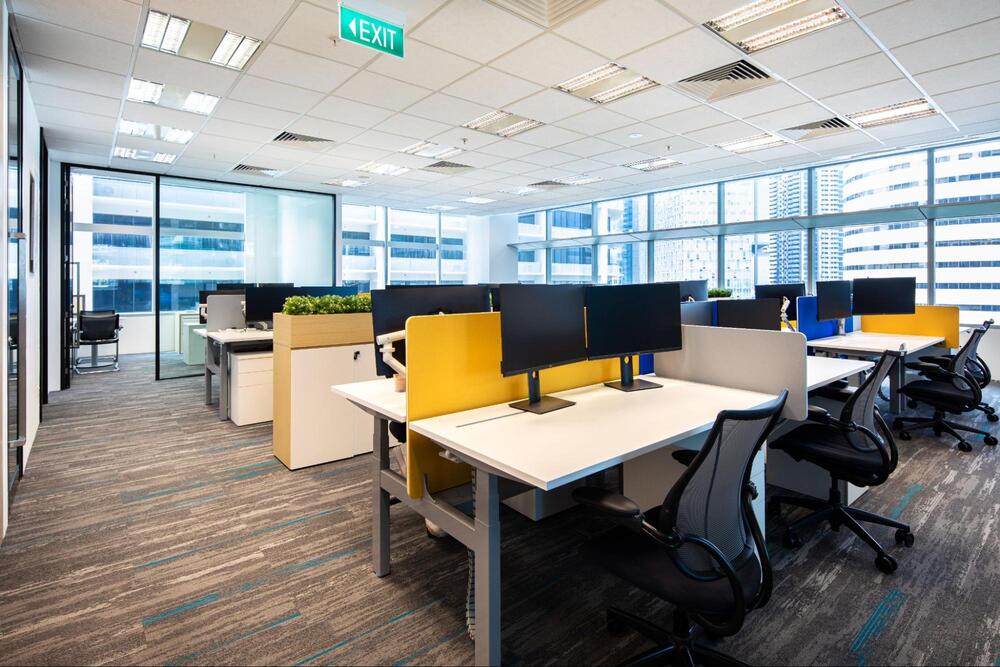
Ergonomic workstations improving focus and productivity
3.2 Reduced workplace stress
Workplace stress is one of the leading causes of employee burnout, absenteeism, and reduced performance. Wellness office design helps create calmer, healthier environments that positively influence employees’ mental and emotional wellbeing.
Natural elements such as indoor plants, green walls, and natural materials have been shown to reduce stress and create a more relaxing atmosphere. Access to daylight, comfortable temperatures, and improved indoor air quality can also contribute to a greater sense of wellbeing during the workday.
Thoughtful space planning plays an important role as well. Providing a balance between collaborative areas and private workspaces allows employees to choose environments that best suit their needs at different times. Wellness rooms and relaxation spaces offer opportunities for short breaks and recovery, helping employees manage stress more effectively and return to work with renewed focus.
Lower stress levels often result in better decision-making, improved resilience, and greater job satisfaction.
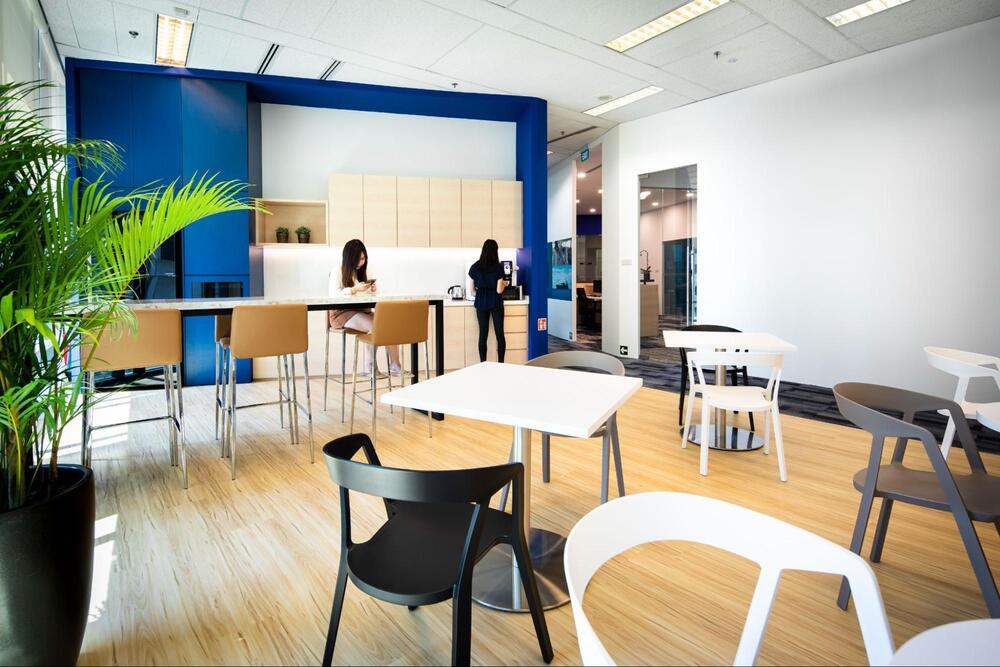
Relaxing office environment designed to reduce workplace stress
3.3 Increased employee engagement
Employees are more likely to be engaged when they feel supported by their workplace environment. Wellness office design demonstrates that an organization values its people, creating a stronger emotional connection between employees and the company.
Features such as comfortable workstations, wellness amenities, collaborative spaces, and flexible work environments contribute to a more positive employee experience. When employees feel that their physical and mental wellbeing is a priority, they are often more motivated to contribute their best work.
Engaged employees tend to show higher levels of commitment, collaboration, and productivity. They are also more likely to participate in workplace initiatives, support company goals, and contribute to a positive organizational culture.
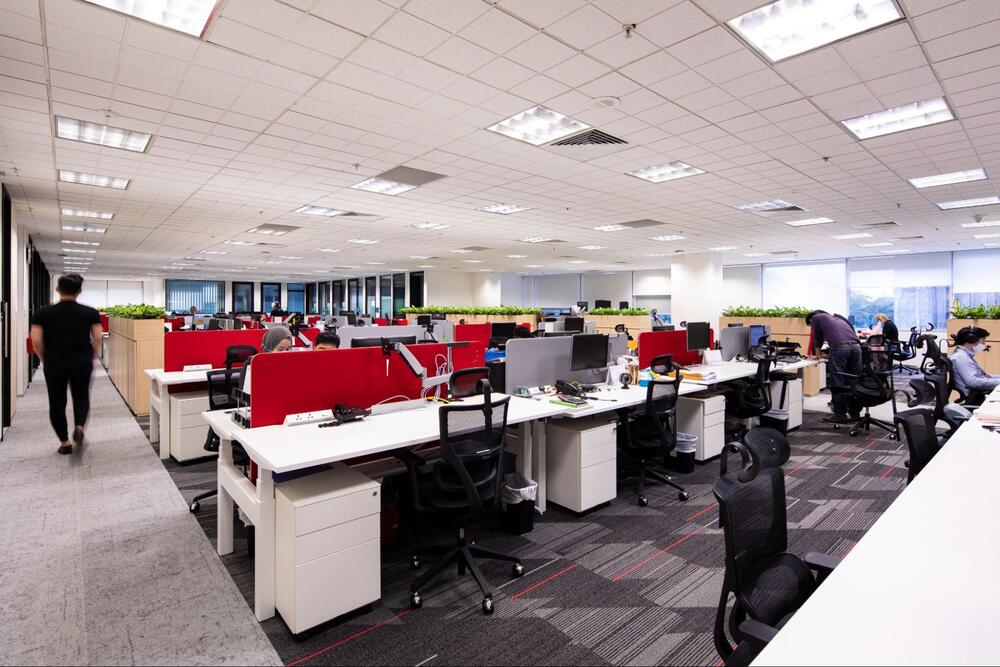
Employee-centric workplace encouraging higher engagement
3.4 Higher creativity and innovation
Creativity thrives in environments that inspire people and encourage interaction. Wellness office design supports innovation by creating spaces that stimulate both individual thinking and collaborative problem-solving.
Flexible workspaces allow employees to move between different settings depending on the nature of their work. Informal meeting areas, breakout spaces, and community hubs encourage spontaneous conversations that often lead to new ideas and creative solutions.
Biophilic design elements, such as natural light, greenery, and organic materials, can also enhance cognitive function and creative thinking. Research has shown that exposure to nature-inspired environments can improve mental clarity and support innovative thinking.
By fostering comfort, inspiration, and collaboration, wellness-focused workplaces help organizations build a culture where creativity can flourish.
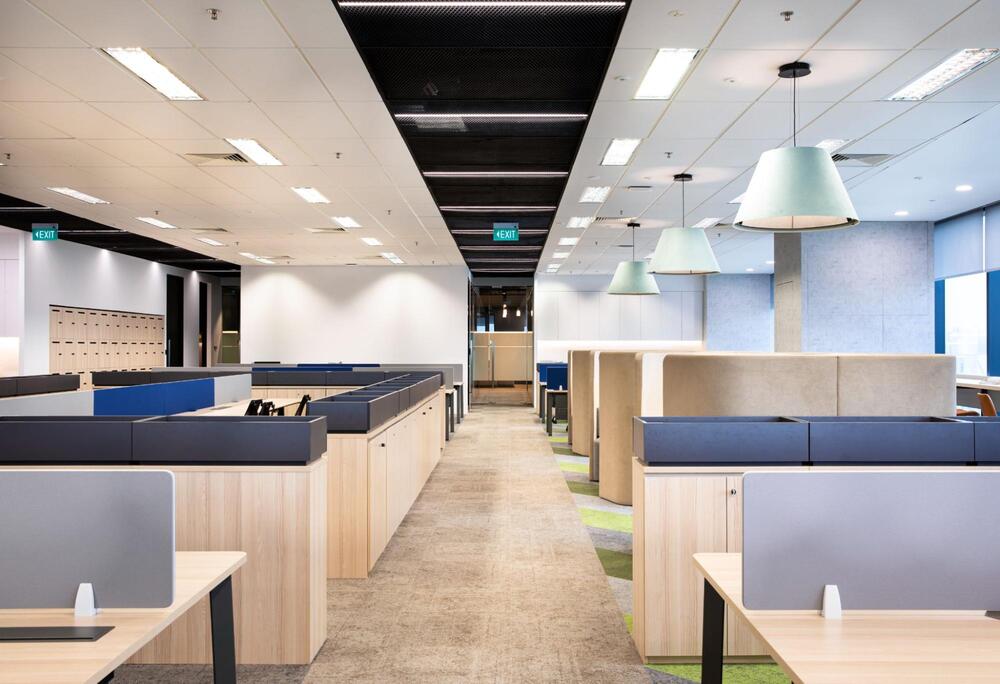
Creative workspace designed to inspire innovation
3.5 Stronger employee retention
Attracting and retaining top talent has become increasingly challenging in today’s competitive job market. Employees now evaluate workplaces based not only on salary and benefits but also on the quality of the work environment and overall employee experience.
Organizations that invest in wellness office design often gain a competitive advantage by creating workplaces where employees feel healthier, happier, and more supported. Features such as ergonomic furniture, wellness amenities, flexible workspaces, and employee-centric design contribute to higher levels of workplace satisfaction.
When employees enjoy coming to work and feel that their wellbeing is valued, they are more likely to remain with the organization for the long term. Reduced turnover not only lowers recruitment and training costs but also helps maintain institutional knowledge and team stability.
Ultimately, wellness office design serves as both a productivity strategy and a talent retention strategy, helping organizations build stronger and more resilient workforces.
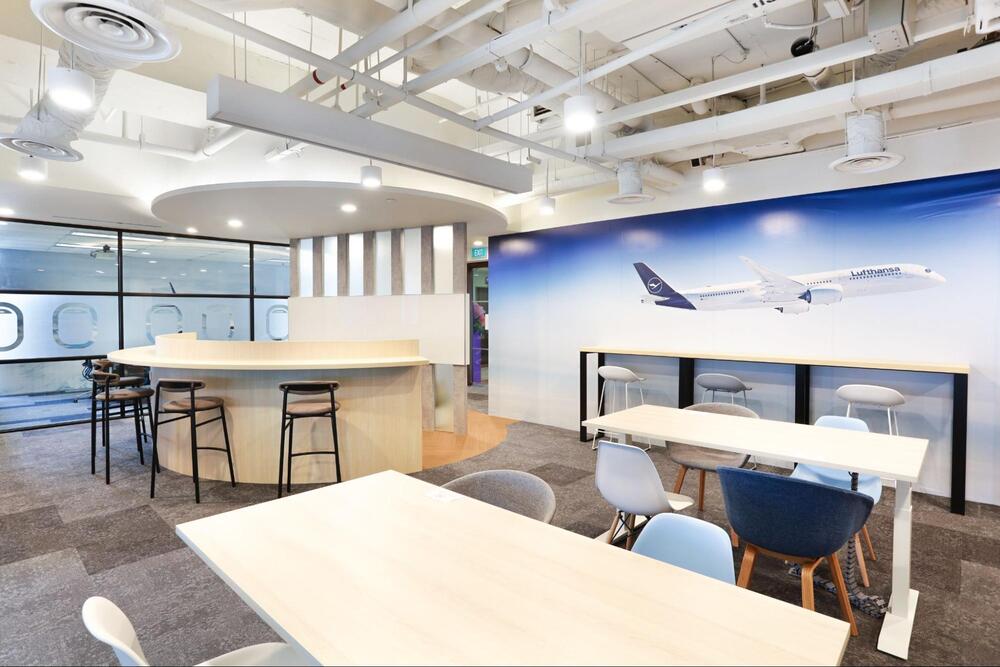
Employee-friendly workplace enhancing job satisfaction
4. How does OSCA create wellness-focused workplaces?
Human-centric workplace strategy
At OSCA, workplace design begins with understanding how people work, collaborate, and interact. Through human-centric design principles and workplace strategy, OSCA creates environments that support employee wellbeing while enhancing organizational performance.
Every workspace is carefully planned to balance functionality, flexibility, and employee experience.
Incorporating wellness and sustainability
OSCA integrates wellness and sustainability into every stage of the design process.
Key considerations include:
- Maximizing natural light
- Improving indoor air quality
- Ergonomic workplace solutions
- Biophilic design integration
- WELL and LEED design considerations
This holistic approach helps organizations create healthier and more sustainable work environments.
Designing spaces that support collaboration and wellbeing
Modern workplaces require flexibility. OSCA designs environments that support a variety of work modes, including focused work, collaboration, learning, and social interaction.
Examples include:
- Flexible workspaces
- Multi-purpose environments
- Community-focused gathering areas
- Hybrid work solutions
These spaces help employees remain productive while fostering stronger workplace connections.
OSCA wellness office design projects and success stories
Across Asia, OSCA has delivered workplace projects that prioritize employee experience and wellbeing. Many projects incorporate collaborative zones, relaxation areas, game rooms, and adaptable workspaces that support both focus and rejuvenation.
By combining workplace strategy, wellness principles, and innovative design solutions, OSCA helps organizations create environments where employees can thrive.
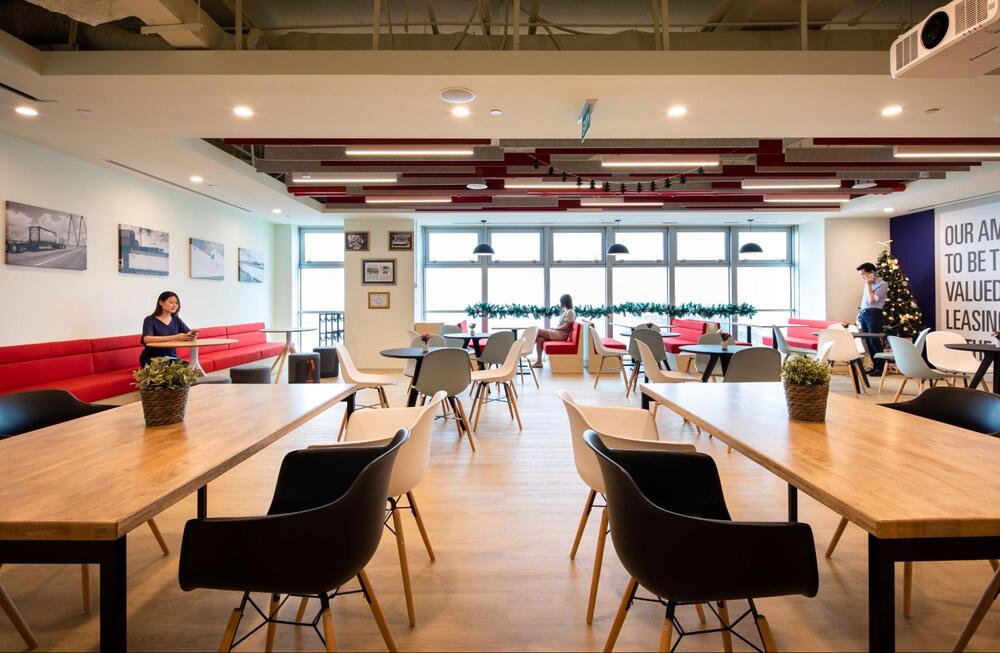
Healthy and sustainable office environment by OSCA
Wellness office design is no longer an optional workplace trend. It is a strategic investment in employee wellbeing and business performance. Organizations that prioritize wellness create healthier, more productive, and more engaging environments that support long-term success. With its human-centric approach and expertise in workplace strategy, OSCA helps businesses transform traditional offices into wellness-focused environments that enhance both employee experience and organizational growth.