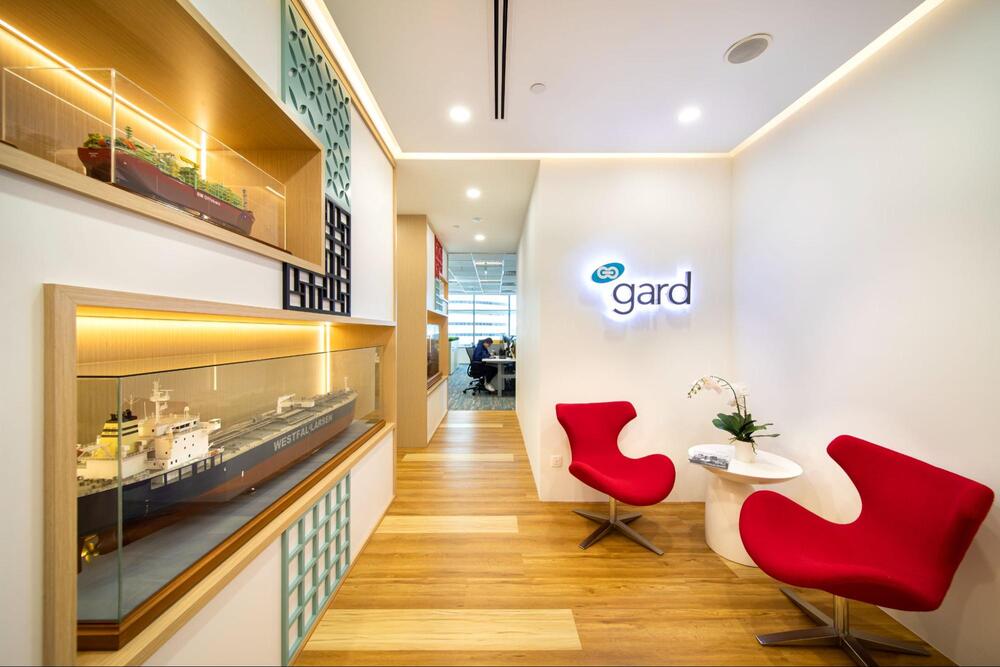
A welcoming office is no longer optional in modern workplaces. It directly affects how employees perform, how clients perceive your brand, and how talent decides to stay or leave. If you want to understand how to make an office more welcoming, you need to connect design decisions with daily work experience. This OSCA’s article explains why a welcoming workspace matters, what key elements to focus on, and how to apply a step-by-step process to build an inviting environment that supports both people and business outcomes.
1. Why does a welcoming office matter for business success?
A welcoming office is not just a design trend. It is a business tool that affects how people work, how clients judge your brand, and how talent decides to stay or leave. If you want to know how to make an office more welcoming, start by understanding its direct impact on performance, branding, and trust.
Enhances employee well-being and productivity
A workspace affects how people feel and how they perform each day. A poor layout, harsh lighting, or noise can reduce focus. A well-designed inviting environment supports both mental and physical health.
How it impacts employees:
- Reduces stress caused by noise, clutter, and poor ergonomics
- Improves focus through better lighting and spatial clarity
- Increases engagement when people feel comfortable and valued
Improves employer branding
Your office is a physical proof of your company culture. Candidates and employees judge your brand the moment they enter the space. A welcoming office helps you attract and retain talent without extra marketing cost.
Why it matters:
- Candidates compare workplaces before accepting offers
- Employees stay longer in spaces that support comfort and identity
- A strong office design reflects company values in real life
Creates positive client impressions
Clients form opinions within seconds of entering your office. The reception area, meeting rooms, and overall layout influence trust and decision-making. Your workspace becomes part of your sales process.
What clients notice first:
- Cleanliness and organization
- Lighting and material quality
- Ease of navigation
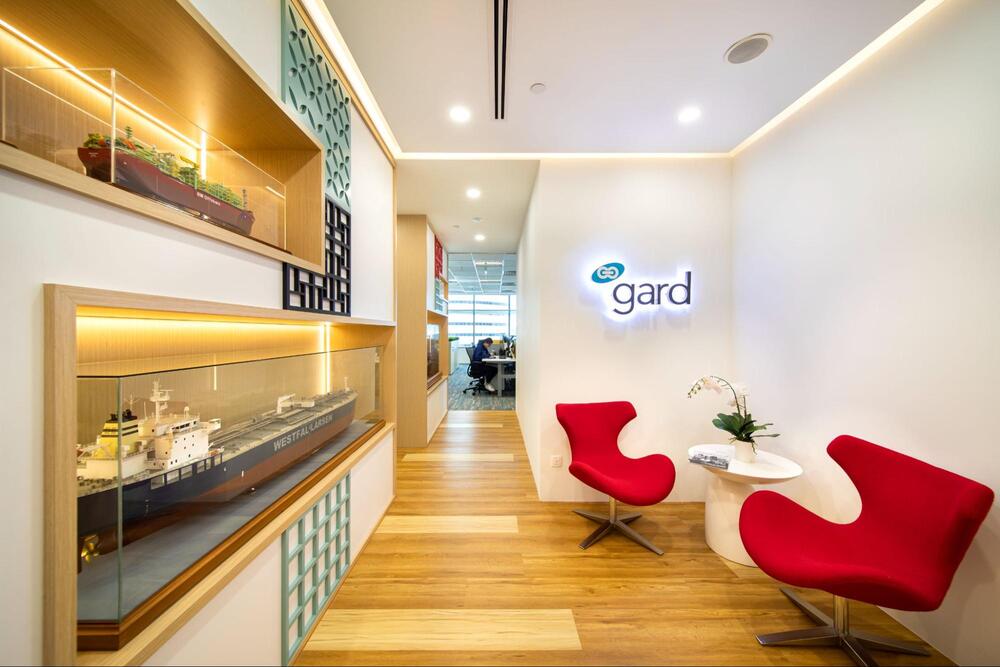
Modern office reception creating strong first impressions
2. How to make an office more welcoming – Key elements
A welcoming office is built through clear design choices, not guesswork. Each element should support comfort, clarity, and daily use. If you want to learn how to make an office more welcoming, focus on five core areas: color, furniture, light, layout, and human touches. Use the checklist below to guide your implementation:
|
Element |
Goal |
Action Focus |
|
Color palette |
Create comfort |
Use warm, neutral tones |
|
Furniture |
Support health |
Apply ergonomic standards |
|
Natural elements |
Improve mood |
Add light and greenery |
|
Layout |
Reduce confusion |
Ensure clear navigation |
|
Personalization |
Build connection |
Reflect brand and people |
2.1 Warm and inviting color palette
Color affects how people feel in a space. A poor palette can make the office feel cold or tiring. A balanced palette supports focus and comfort.
How to apply color effectively:
- Start with a neutral base
- Use beige, light wood, off-white, or soft grey
- Apply these tones to walls, floors, and large surfaces
- Add warm accents
- Use muted tones like light brown, soft green, or pastel shades
- Apply accents through furniture, panels, or decor
- Avoid extreme contrasts
- Do not use too much pure white or dark grey
- Limit strong colors to small areas
- Align with brand identity
- Integrate brand colors in a controlled way
- Use them in meeting rooms or feature walls
- Test before full rollout
- Sample colors on a small wall area
- Check appearance under natural and artificial light
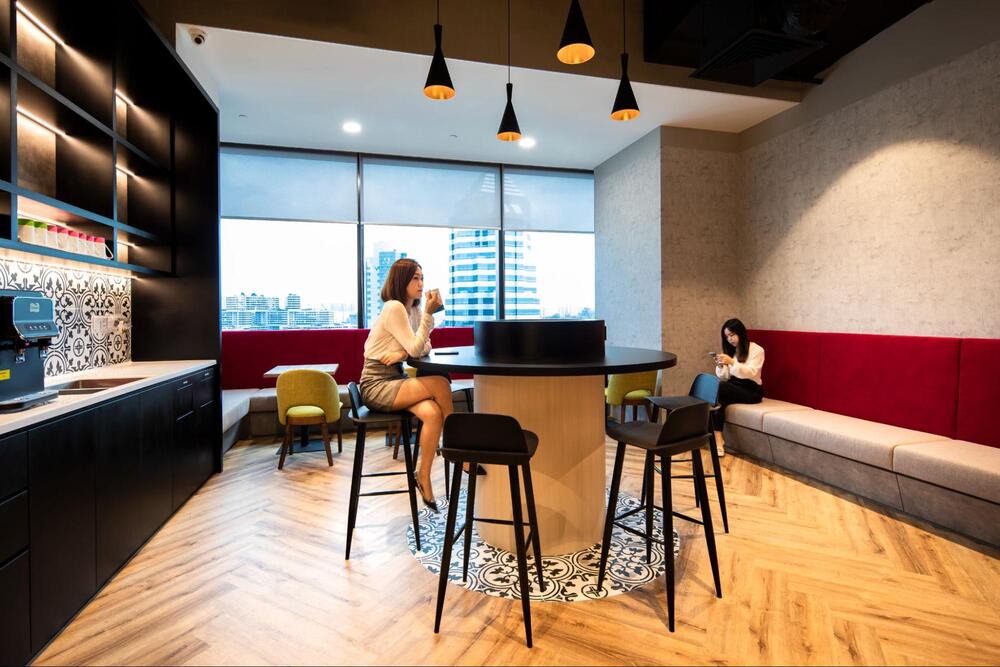
Warm color palette for a welcoming office interior
2.2 Comfortable and ergonomic furniture
Furniture affects posture, health, and work output. Poor seating leads to fatigue and long-term issues. Ergonomic design supports daily performance.
Steps to improve furniture setup:
- Select ergonomic chairs
- Ensure adjustable height, lumbar support, and armrests
- Test chairs before bulk purchase
- Use flexible desk options
- Provide sit-stand desks where possible
- Ensure desk height matches user needs
- Create varied seating zones
- Add lounge seating for informal work
- Include booths for small group discussions
- Plan breakout spaces
- Place sofas or soft seating away from main desks
- Use these zones for short breaks or quick meetings
- Check spacing and movement
- Ensure enough space between desks
- Avoid blocking walkways
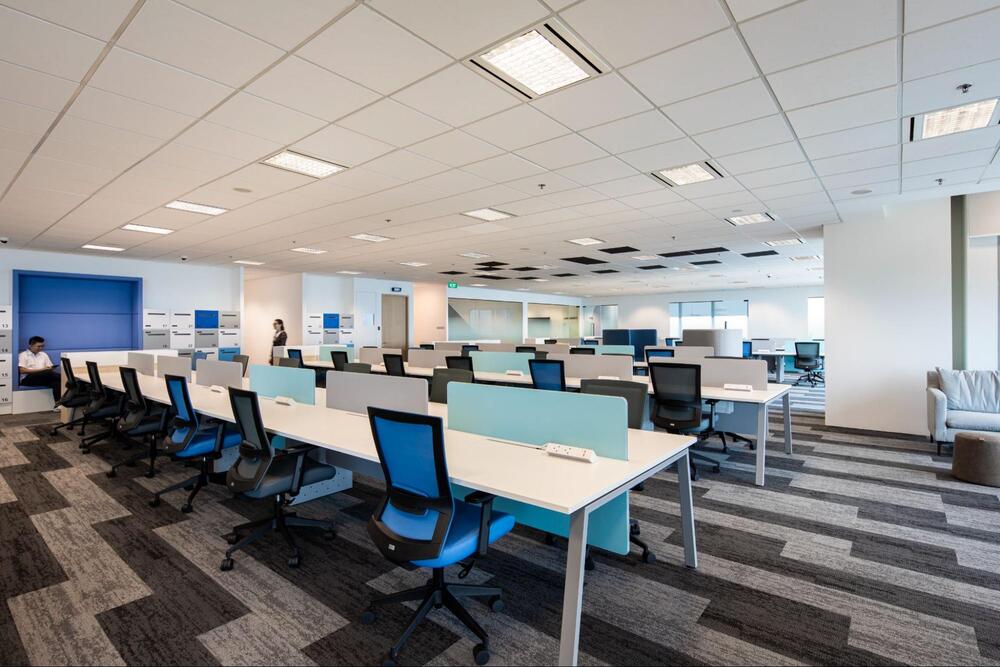
Ergonomic office furniture for better workplace comfort
2.3 Natural light and biophilic design
Light and nature influence mood, focus, and energy levels. Offices that lack these elements often feel closed and tiring.
How to integrate natural elements:
- Maximize natural light
- Keep windows free from heavy partitions
- Use glass walls to allow light to pass through
- Use layered lighting
- Combine ambient, task, and accent lighting
- Avoid glare on screens
- Add indoor plants
- Place plants near desks and shared areas
- Choose low-maintenance species
- Use natural materials
- Apply wood, stone, or textured finishes
- Avoid excessive synthetic surfaces
- Improve air quality
- Ensure proper ventilation
- Maintain HVAC systems regularly
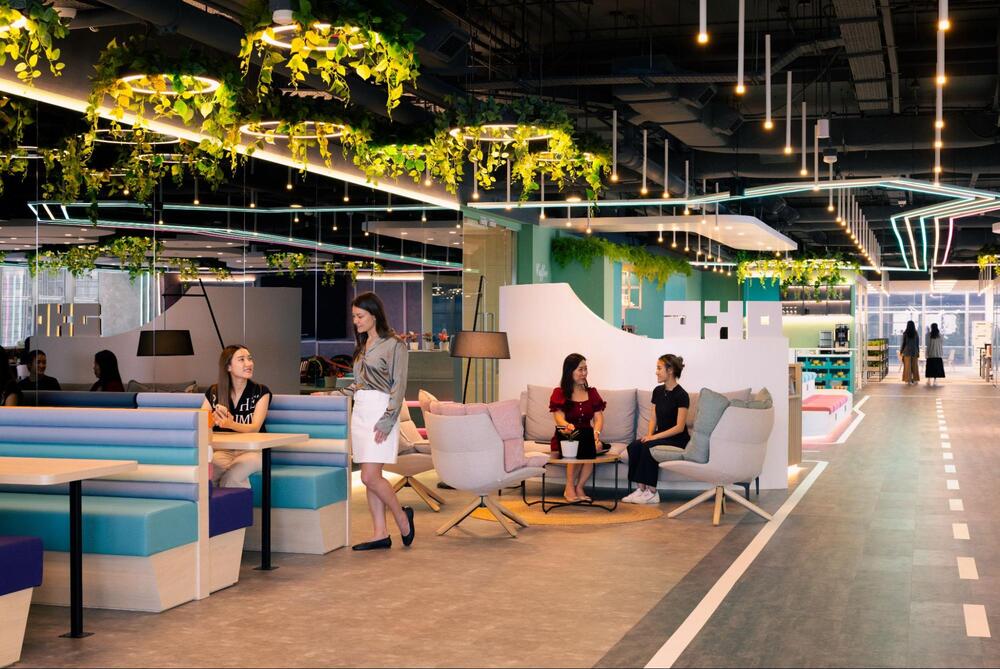
Office design with natural light and indoor plants
2.4 Clear layout and easy navigation
A confusing layout reduces efficiency and increases stress. A clear layout helps people move and work without friction.
How to improve office layout:
- Define main zones
- Separate workstations, meeting rooms, and social areas
- Use furniture or partitions to mark zones
- Create clear pathways
- Ensure direct routes between key areas
- Avoid obstacles in walkways
- Apply wayfinding tools
- Use signage for rooms and departments
- Keep naming simple and consistent
- Balance open and closed spaces
- Provide open areas for teamwork
- Include enclosed rooms for focus
- Test user flow
- Walk through the office as a new visitor
- Identify confusing points and adjust
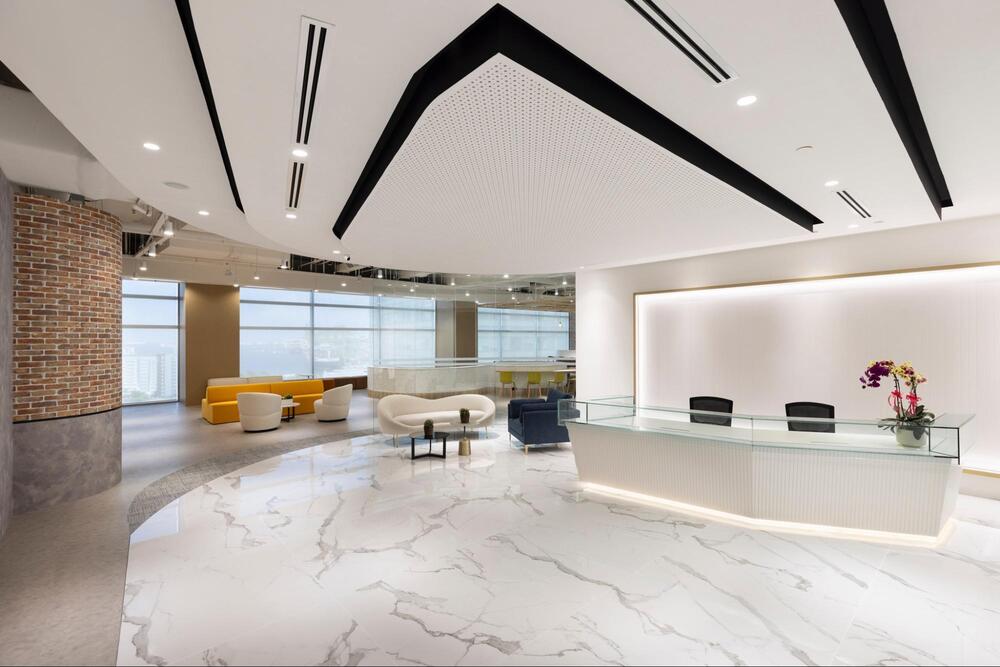
Clear office layout with defined work zones
2.5 Personalized and human touches
People connect with spaces that feel human. A generic office does not create engagement. Personal touches help build a sense of belonging.
Steps to add personalization:
- Display brand story
- Use walls to show company milestones
- Add simple graphics that explain values
- Include artwork and decor
- Use local art or simple visual elements
- Avoid clutter or over-decoration
- Allow team input
- Let employees suggest decor ideas
- Create shared spaces that reflect team identity
- Design for comfort
- Add soft textures like rugs or cushions
- Use materials that feel natural
- Update regularly
- Refresh visuals every 6–12 months
- Keep the space relevant and active
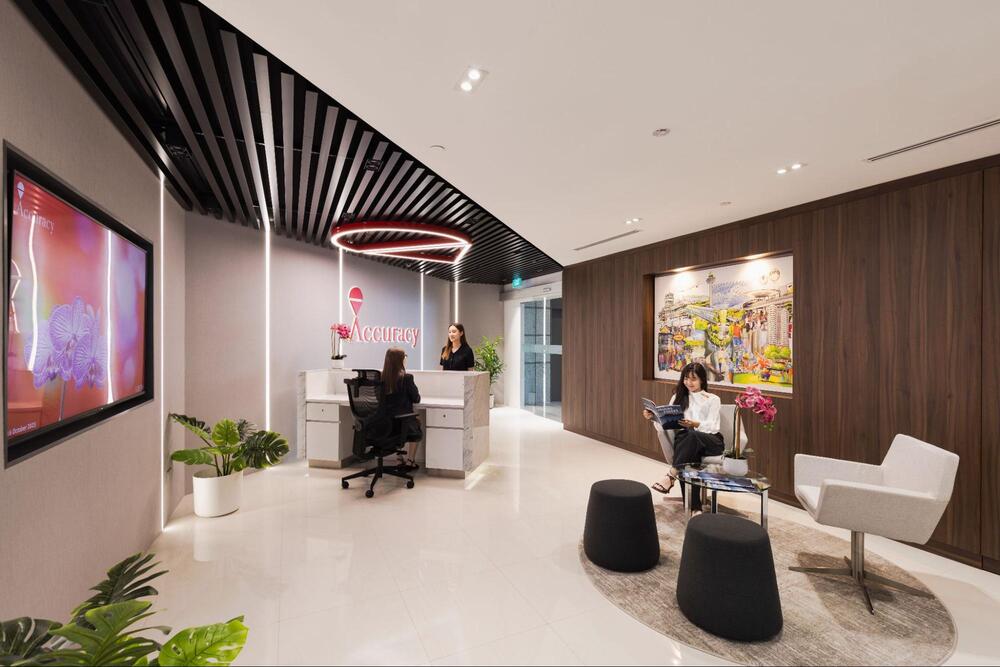
Office interior with brand story and visual identity
3. How to design a welcoming office (Step-by-step)
Designing a welcoming office requires a clear process. Each step should link business goals with user needs and daily operations.
Step 1: Understand your people and culture
A welcoming office starts with people. You need to know how employees work, what they need, and what problems they face.
How to collect data:
- Run employee surveys: Ask about comfort, noise, lighting, and layout. Identify common issues across teams
- Observe daily workflows: Track how teams use meeting rooms and desks. Note peak hours and space conflicts
- Interview key roles: mSpeak with managers and team leads. Understand task types (focus work, collaboration, calls)
- Define culture priorities: List values such as collaboration, flexibility, or focus. Rank them based on business goals
- Create user profiles: Group employees by work style. Example: focus workers, hybrid workers, client-facing staff
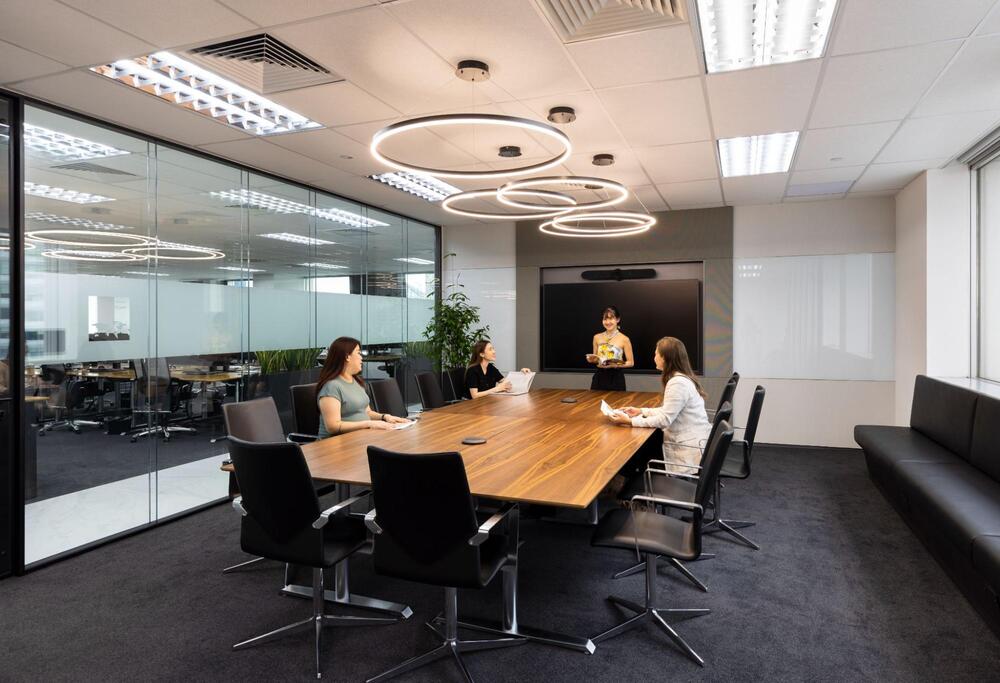
Office space planning process from concept to layout
Step 2: Define functional zones
An office should support different activities. A single layout cannot meet all needs. You must divide the space into clear zones.
Core zones to include:
- Reception area for visitors
- Workstations for daily tasks
- Collaboration zones for team work
- Quiet zones for deep focus
- Social spaces for breaks and informal meetings
How to plan zones step by step:
- Map your floor area: Measure total space. Identify fixed elements (columns, windows, exits)
- Allocate space by priority: Assign more space to high-use activities. Reduce unused or low-value areas
- Separate noise levels: Place quiet zones away from collaboration areas. Use partitions or distance to reduce noise impact
- Ensure accessibility: Keep main paths clear. Place shared spaces in central locations
- Test layout scenarios: Create 2–3 layout options. Review with team leaders before finalizing
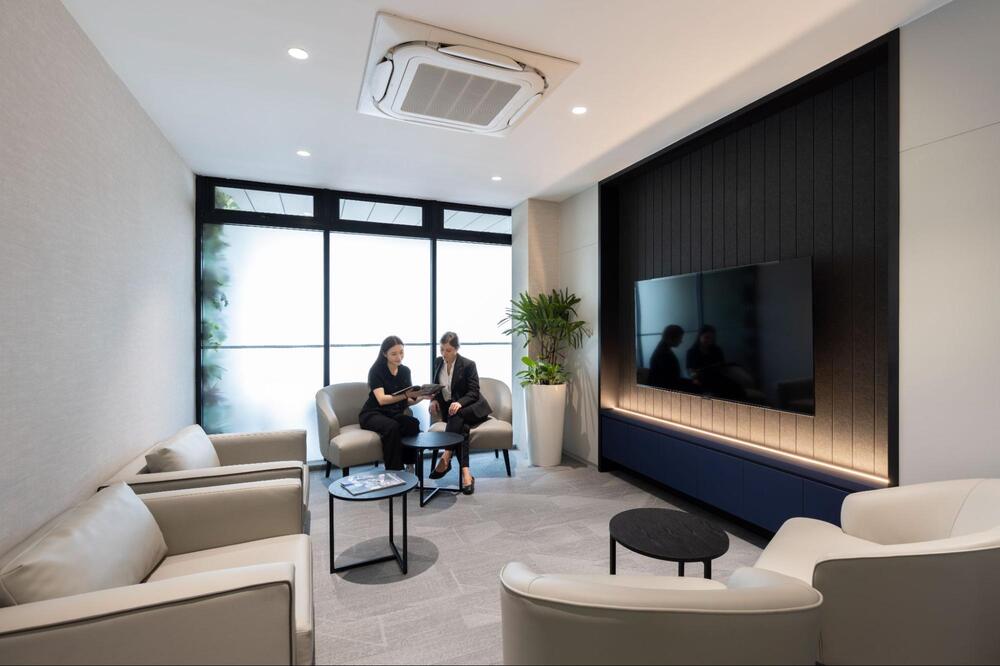
Zoning strategy for a functional workplace design
Step 3: Focus on first impressions
The entrance sets expectations. Clients and employees form opinions within seconds. A strong first impression builds trust.
Key areas to design:
- Entrance
- Reception desk
- Waiting area
How to improve first impressions:
- Define a clear entry point: Ensure visitors can find the entrance easily. Use signage if needed
- Design a functional reception: Provide a visible reception desk. Ensure staff can greet visitors quickly
- Set lighting conditions: Use warm lighting to avoid a harsh feel. Combine overhead and accent lighting
- Select materials carefully: Use wood or textured finishes for warmth. Avoid reflective or cold surfaces in excess
- Control sensory experience: Maintain clean air and neutral scent. Reduce noise at the entrance
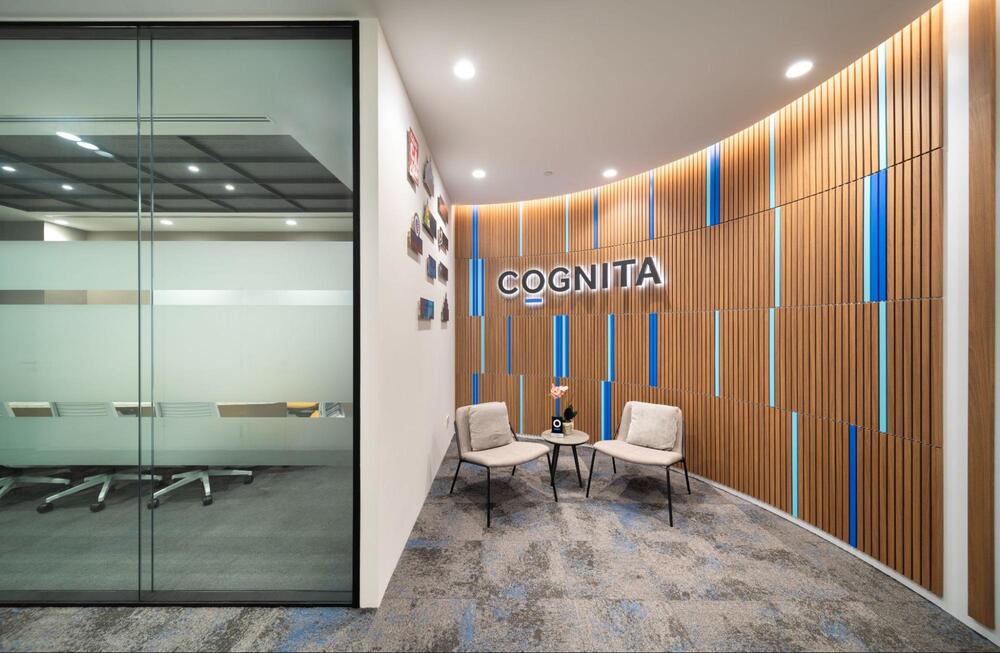
Reception area design that creates a strong first impression
Step 4: Balance aesthetics and functionality
Design should support daily use. A space that looks good but fails in use will not last. You need to balance visual design with practical needs.
How to achieve balance:
- Set functional requirements first: Define desk sizes, storage needs, and tech setup. Ensure all tasks can be performed without barriers
- Choose durable materials: Select finishes that are easy to clean. Avoid materials that wear out quickly
- Plan for flexibility: Use movable furniture where possible. Allow spaces to adapt to future changes
- Avoid over-design: Limit decorative elements that do not add value. Keep layouts simple and clear
- Run usability checks: Test seating comfort and desk spacing. Check lighting on screens and work surfaces
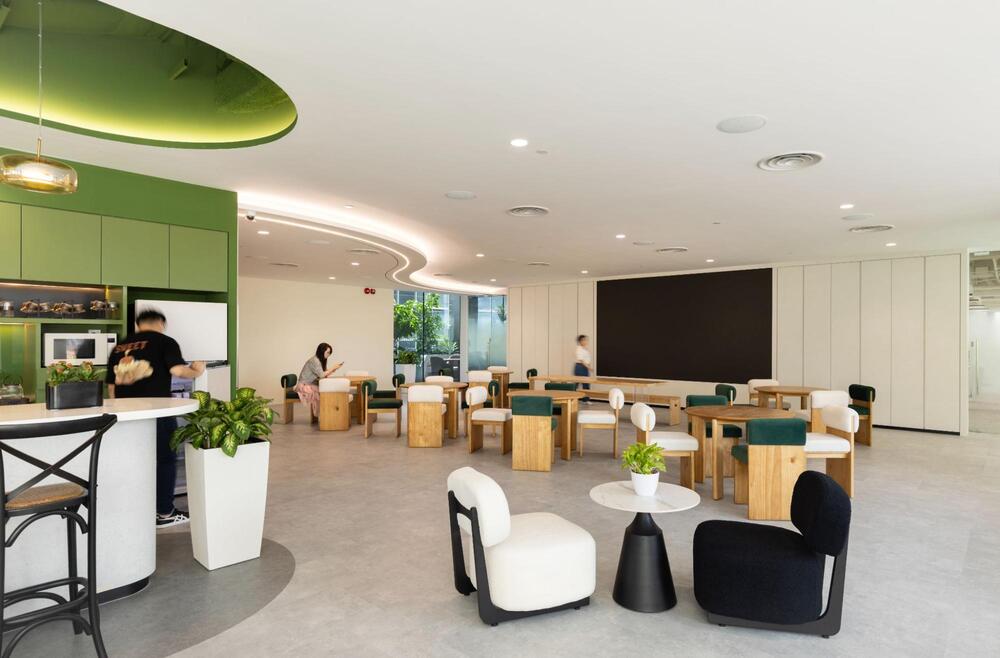
Balancing aesthetics and function in office design
Step 5: Integrate branding naturally
Branding should support the space, not dominate it. A well-integrated brand helps people connect with the company without distraction.
How to apply branding correctly:
- Select key brand elements: Colors, logo, and tone of voice. Use only what is necessary
- Apply branding in focal areas: Reception wall, meeting rooms, shared spaces
- Use storytelling: Show company milestones or values. Use simple graphics or timelines
- Maintain consistency: Keep design language uniform across all zones. Avoid mixing unrelated styles
- Limit repetition: Do not place logos in every area, Focus on clarity over quantity
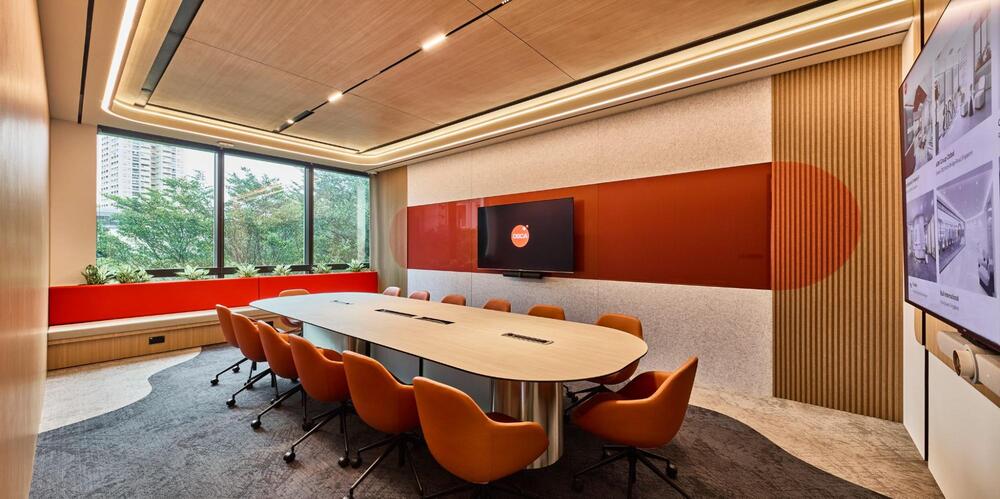
Office branding integrated into workspace design
4. How does OSCA create welcoming office environments?
A welcoming office requires more than visual design. It needs a clear process, real data, and consistent execution. OSCA applies a structured design & build approach to deliver workplaces that support daily operations, employee well-being, and business goals. This method helps companies understand how to make an office more welcoming while building an inviting environment that performs over time.
OSCA works across the full project lifecycle. The process starts with workplace strategy, moves through design development, and continues into construction and post-project support. This integrated model reduces gaps between design intent and final delivery. It also gives clients one point of contact, which improves coordination and reduces delays. As a result, the final workspace reflects the original plan with fewer compromises.
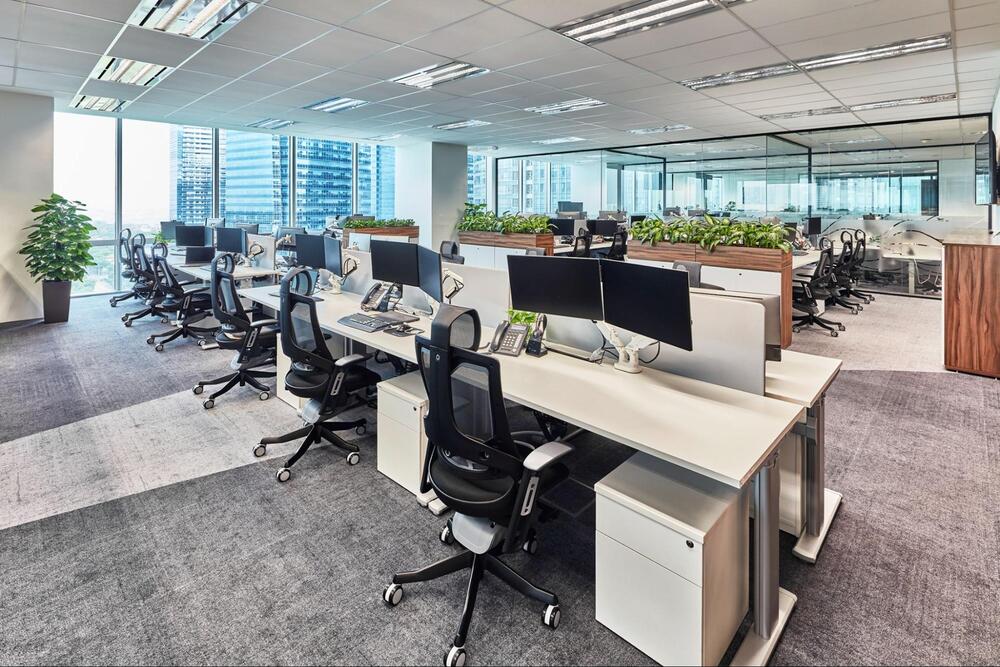
OSCA welcoming office design with human-centric approach
A key part of OSCA’s approach is human-centric design. Every project begins with an analysis of how people use the space. The team studies work patterns, identifies common issues, and maps user needs. For example, if employees struggle with noise or lack of focus areas, the design will address these issues through zoning and layout adjustments. If collaboration is a priority, the plan will include shared spaces that support team interaction. This process ensures the welcoming office is based on real usage, not assumptions.
OSCA also focuses on spatial planning to improve how people move and work. The office is divided into clear functional zones such as reception, workstations, meeting rooms, and social areas. Each zone is placed based on its purpose and frequency of use. Quiet areas are separated from active zones to reduce noise. Circulation paths are kept clear to avoid disruption. This structure helps create an inviting environment that is easy to navigate and supports different work modes.
Another core element is the integration of biophilic design. OSCA uses natural light, greenery, and material selection to improve well-being. Layouts are planned to allow daylight to reach more areas of the office. Glass partitions are used to maintain openness while preserving function. Plants are placed in both individual and shared spaces to support comfort and reduce stress. Materials such as wood and textured finishes are selected to create a balanced environment. These decisions help build a workspace that supports both mental focus and physical health.
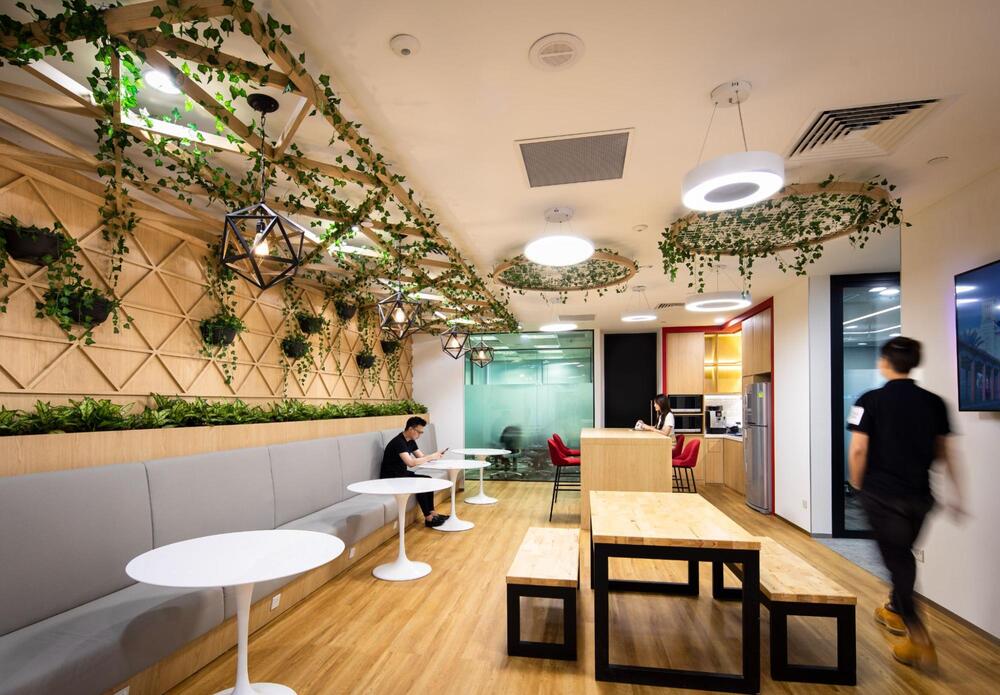
OSCA office interior focused on well-being and productivity
A welcoming office is built through clear planning, consistent execution, and a strong focus on people. When you align layout, furniture, lighting, and branding with real user needs, the workspace becomes a tool for performance, not just a visual asset. For companies that want a complete and reliable solution, working with an experienced partner like OSCA ensures that every stage, from strategy to construction, is delivered with clarity and measurable results.