Understanding how efficient office solutions work and how to implement them effectively helps businesses create adaptable, high-performance workplaces that align with long-term strategic goals. Find more with OSCA Asia.
1. What Are Efficient Office Solutions?
1.1 Definition & Core Objectives
Efficient office solutions are strategic design and operational approaches that help businesses use their workspace more effectively. An efficient office is not simply about fitting more desks into a smaller area. It is about aligning workspace design with business goals, employee needs, and future expansion plans. This includes optimizing layout, integrating smart technology, selecting ergonomic furniture, and applying sustainable materials that reduce waste and energy consumption.
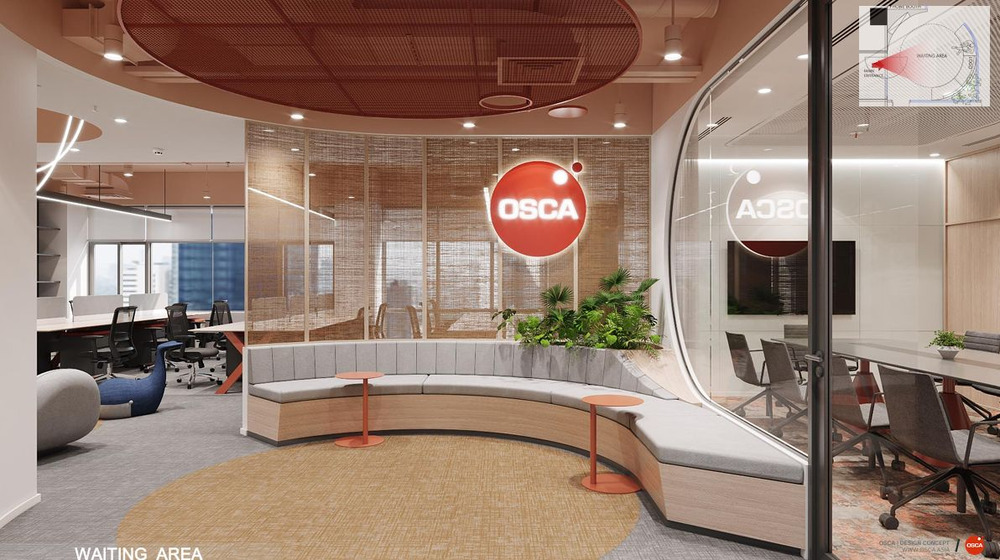
Efficient office solutions
The goal is to ensure that every square meter contributes to productivity, collaboration, and long-term business growth rather than remaining underutilized or inefficient. The core objectives include:
- Space optimization: focuses on using available floor area effectively. It reduces wasted space, improves circulation, and ensures that work zones, meeting areas, and support spaces are arranged logically. The aim is to achieve higher functionality without overcrowding.
- Workflow efficiency: ensures that office layout supports how teams actually work. Departments that collaborate frequently are positioned closer together. Circulation paths are clear. Meeting spaces are accessible. This reduces unnecessary movement and improves daily productivity.
- Cost-effectiveness: involves controlling both initial setup costs and long-term operational expenses. Smart planning can reduce construction changes, lower energy consumption, and minimize the need for future renovations as the company grows.
- Sustainability & scalability: Sustainability focuses on environmentally responsible materials, energy-efficient systems, and reduced waste. Scalability ensures the office can adapt to business expansion, hybrid work models, or team restructuring without requiring a complete redesign.
Together, these objectives create a workplace that is efficient, adaptable, and aligned with strategic business goals.
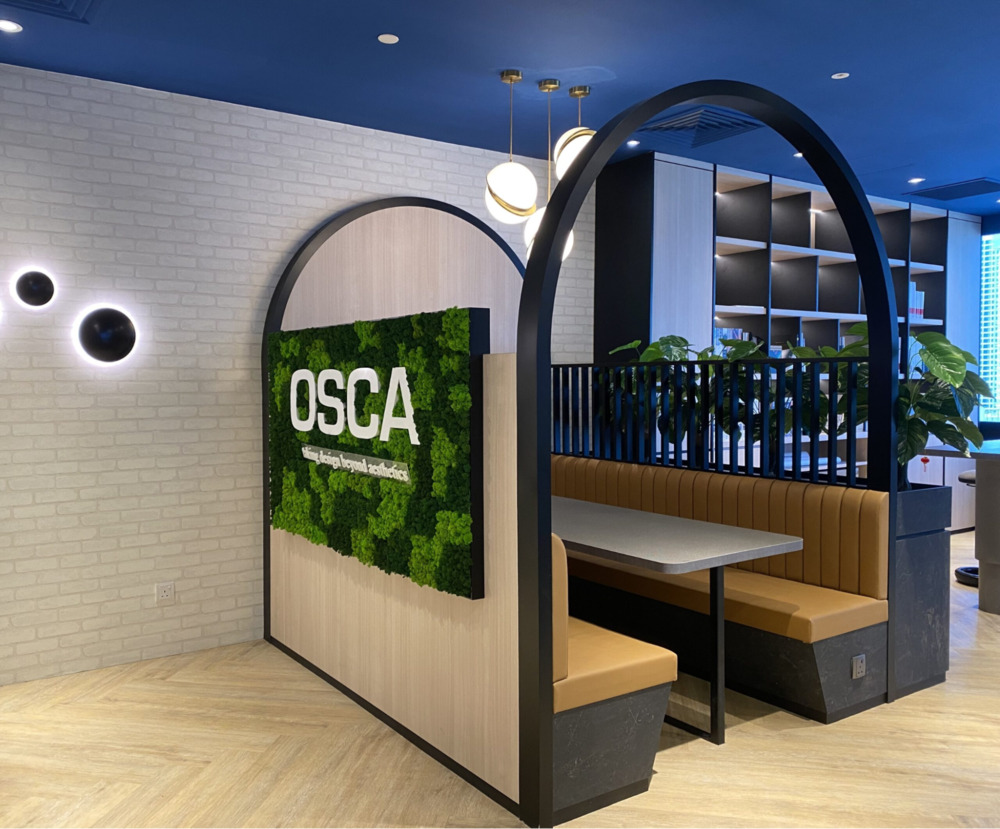
Smart space planning
1.2 Key Components of an Efficient Office
An efficient office is built on carefully selected design and operational elements. These components work together to improve productivity, comfort, and long-term performance.
- Smart space planning: begins with analyzing how teams work and how often spaces are used. It defines clear zones for focused work, collaboration, meetings, and support functions. The layout prioritizes circulation flow and avoids unused or poorly arranged areas.
- Flexible layouts: allow the workspace to adapt as business needs change. Movable partitions, modular furniture, and reconfigurable workstations make it easier to adjust team sizes, introduce new departments, or support hybrid work without major renovation.
- Ergonomic furniture: supports employee health and comfort. Adjustable chairs, height-adjustable desks, and properly designed workstations reduce physical strain and improve concentration. Comfortable employees tend to perform better and take fewer sick days.
- Integrated technology: ensures the office supports digital workflows. This includes reliable connectivity, meeting room booking systems, video conferencing tools, and automated lighting or climate control systems. Technology should enhance efficiency rather than create friction.
- Sustainable materials: reduce environmental impact and improve indoor air quality. Energy-efficient lighting, low-emission finishes, and durable materials lower long-term costs and support corporate sustainability goals.
Together, these components create a workplace that is functional, adaptable, and aligned with modern business requirements.
2. Types of Efficient Office Solutions
Broadly, efficient office solutions can be grouped into three main categories:
- Space-saving design solutions that maximize usable area and reduce wasted space.
- Hybrid and agile workplace solutions that support flexible work models and dynamic team structures.
- Smart technology integration solutions that enhance productivity through digital systems and automation.
2.1 Space-Saving Design Solutions
Space-saving design solutions focus on maximizing usable floor area without compromising comfort or productivity. These solutions are especially important for growing businesses, high-rent locations, or offices with limited square footage.
- Modular workstations: Design to be flexible and reconfigurable. Desks and storage units can be rearranged as teams expand or restructure. This approach reduces the need for permanent construction and allows companies to adapt quickly to organizational changes.
- Multi-purpose meeting rooms: Serve more than one function. A space can be used for formal meetings, team workshops, training sessions, or collaborative brainstorming. Foldable tables, stackable chairs, and integrated technology allow the room to transform easily based on daily needs.
- Movable partitions: Provide flexibility without major renovation. Sliding or operable walls can divide large areas into smaller rooms or open them up for larger gatherings. This solution supports both privacy and collaboration while maintaining efficient use of space.
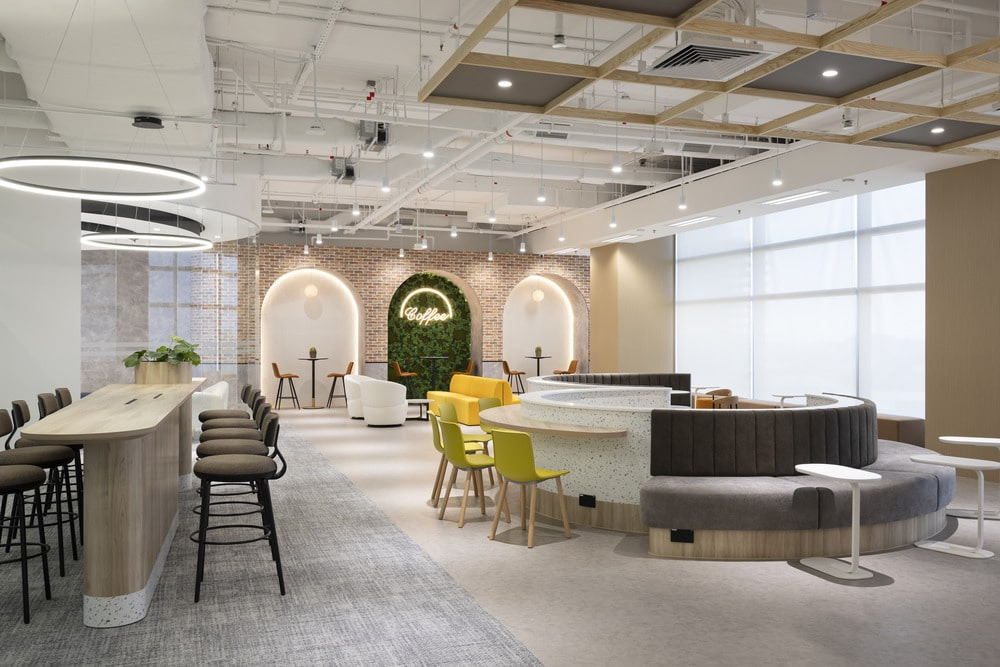
Flexible office layout
2.2 Hybrid & Agile Workplace Solutions
Hybrid and agile workplace solutions support modern work models where employees split time between office and remote locations. These approaches increase flexibility, reduce unused desks, and improve collaboration across teams.
- Hot-desking systems: Allows employees to use any available workstation instead of having assigned desks. This reduces the total number of desks required and maximizes space utilization. It is supported by booking systems that help employees reserve seats in advance and avoid overcrowding.
- Activity-Based Working (ABW): Is a strategy where employees choose different work settings based on the task they are performing. Quiet zones support focused work. Open areas encourage collaboration. Informal lounges enable quick discussions. This model improves productivity by matching space to activity.
- Collaboration hubs: Are dedicated areas designed to encourage teamwork and idea sharing. These spaces often include flexible seating, writable surfaces, and digital display tools. They promote spontaneous interaction while maintaining a clear separation from focused work zones.
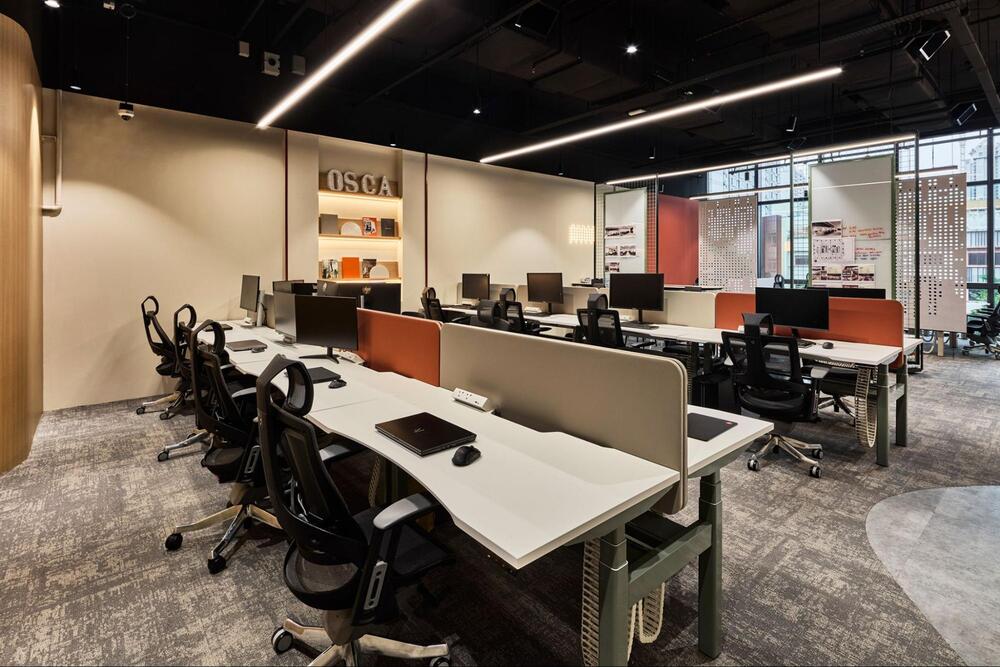
Ergonomic office furniture
2.3 Smart Technology Integration
Smart technology integration enhances operational efficiency and improves the overall workplace experience. By embedding digital systems into the office environment, businesses can reduce manual processes, optimize resource usage, and support seamless collaboration.
- Smart booking systems: Allow employees to reserve desks, meeting rooms, or collaboration spaces in advance. These systems reduce scheduling conflicts, prevent underutilized spaces, and provide data insights into how the office is being used. This data supports better space planning decisions.
- IoT lighting & climate control: Automatically adjust based on occupancy, time of day, or environmental conditions. Motion sensors can turn off lights in unused areas, while smart thermostats regulate temperature efficiently. This improves comfort while reducing energy costs.
- Digital workplace tools: Support communication, project management, and hybrid collaboration. Video conferencing systems, shared digital whiteboards, and cloud-based platforms ensure teams can work efficiently regardless of location. Integrated technology minimizes workflow disruption and enhances productivity.
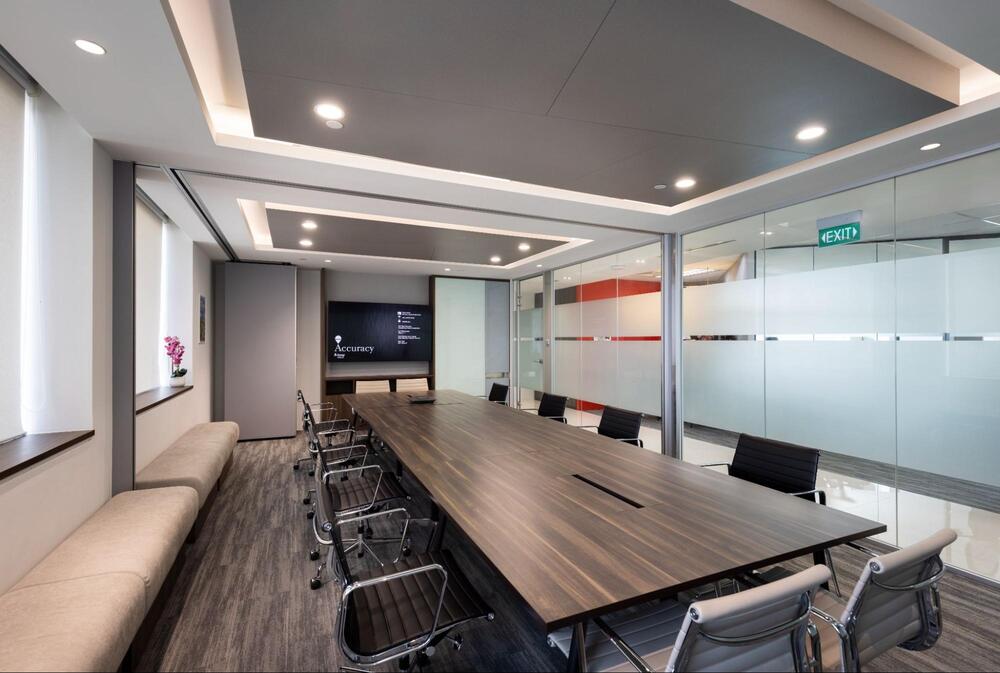
Integrated technology powering efficient office solutions
3. How to Implement Efficient Office Solutions?
Implementing efficient office solutions requires a clear and structured approach. The following steps outline how organizations can systematically plan and implement effective office solutions.
3.1 Conduct a Workplace Strategy Assessment
The first step is to evaluate how the current office is being used. A workplace strategy assessment helps identify inefficiencies and opportunities for improvement before making any design changes.
- Space audit: Audit reviews how each area is utilized. It identifies underused zones, overcrowded areas, and circulation issues. This data helps determine whether the layout supports business needs or requires reconfiguration.
- Employee workflow analysis: Examines how teams interact, move, and collaborate throughout the day. It identifies communication gaps, bottlenecks, and unnecessary movement.
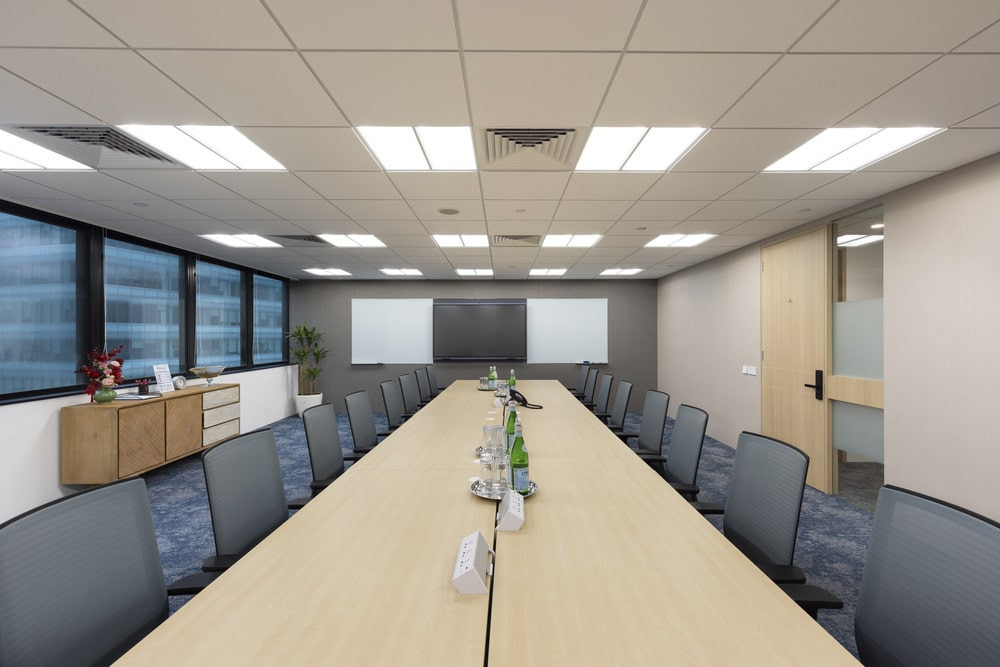
Multi-purpose meeting room
3.2 Define Business Objectives
Before making design decisions, businesses must define clear objectives. Office solutions should support long-term strategy, not just current needs.
- Growth planning: Considers future expansion, new departments, or changes in working models. The office layout should allow for scaling without requiring major renovation in the near term.
- Headcount forecasting: Estimates future workforce size. Understanding expected hiring trends helps determine how much space is required and whether flexible solutions, such as shared desks or modular layouts, are necessary.
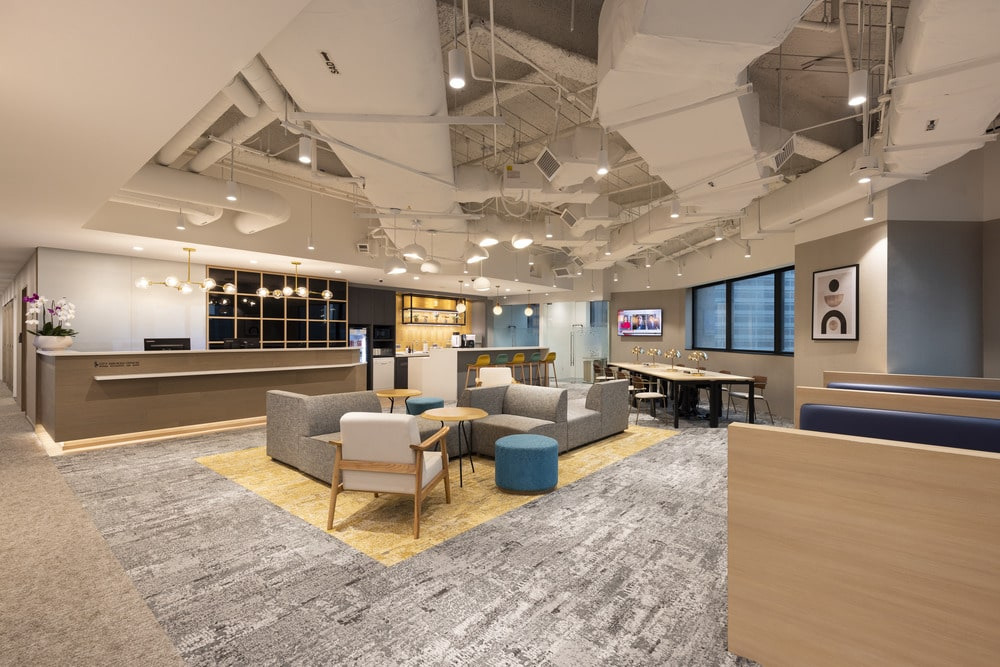
Sustainable office materials
3.3 Partner with an Experienced Office Design Firm
Working with an experienced office design firm ensures that strategy is translated into practical and efficient execution. Professional guidance reduces risks, controls costs, and ensures the final workspace aligns with business objectives.
- Design consultancy: A professional firm provides workplace strategy consulting, concept development, and space planning expertise. They transform business requirements into functional design solutions that optimize layout, workflow, and user experience.
- Project management: Strong project management ensures timelines, budgets, and quality standards are maintained. Coordinating contractors, suppliers, and stakeholders minimizes delays and prevents costly errors during implementation.
- Construction execution: Design-and-build execution streamlines the process from planning to completion. Integrated teams ensure construction quality, compliance with regulations, and smooth handover.
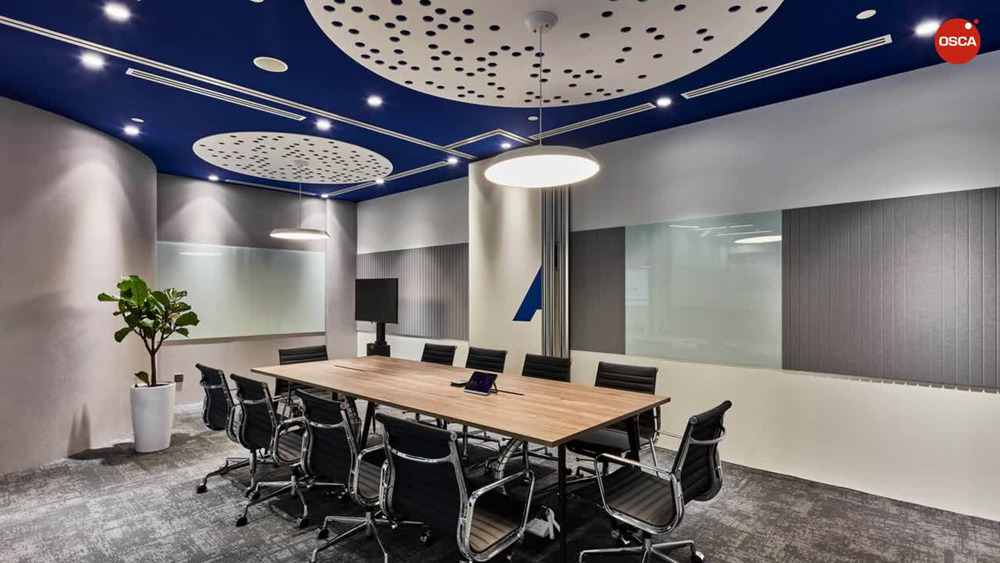
Collaboration hub
For businesses seeking reliable expertise, OSCA stands out as a trusted office design and build specialist. Established in 2010, OSCA has grown into a leading commercial interior design and build specialist headquartered in Singapore, with offices across Asia. With a strong track record in workplace strategy, design consultancy, project management, and construction execution, OSCA delivers fully integrated solutions from concept to completion.
Key Strengths of OSCA
1. End-to-End Design & Build Expertise
OSCA offers a seamless one-stop solution that integrates strategy, design, procurement, and construction. This unified approach ensures efficiency, cost control, and consistent quality throughout the project lifecycle.
2. Human-Centric & Strategic Workplace Design
The team focuses on creating environments that enhance productivity, collaboration, and employee well-being. From space optimization to brand integration and biophilic elements, OSCA aligns workplace design with long-term business growth.
3. Strong Regional Presence & Proven Portfolio
With projects delivered across Singapore, Malaysia, Vietnam, OSCA has successfully completed diverse commercial environments spanning finance, gaming, logistics, technology, and maritime sectors.
4. Award-Winning Design Capability
Recognized for excellence in commercial interiors, OSCA has received industry accolades for innovative and high-performing workspace design solutions.
5. Sustainability & Wellness Focus
OSCA integrates sustainable materials, ergonomic planning, and green building advisory (including LEED and WELL consulting) to ensure responsible and future-ready workplaces.
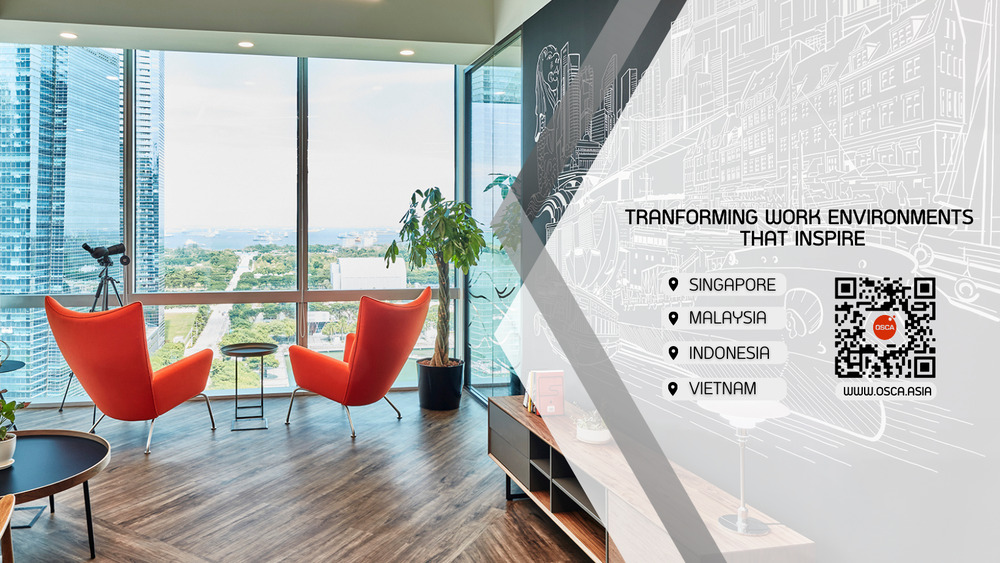
OSCA Asia – The best office interior designers in Singapore & Southeast Asia
For businesses seeking reliable expertise in implementing efficient office solutions, OSCA stands out as a trusted office design and build Singapore specialist. With strengths in workplace strategy, innovative design planning, and end-to-end project delivery, OSCA helps companies develop efficient office solutions that are scalable, cost-effective, and aligned with long-term business growth.