In today’s performance-driven workplaces, Feng Shui office layout is no longer viewed as a belief-based concept. In Singapore, where office density is high and operational efficiency is critical, Feng Shui is increasingly applied as a spatial planning framework. In this article, OSCA Asia outlines the core principles, practical applications, and common mistakes to avoid when applying Feng Shui in modern office environments.
1. What Is a Feng Shui Office Layout?
Feng Shui office layout is a method of planning office space to support clear movement, balanced use of areas, and effective working conditions. In modern workplaces, especially in Singapore, Feng Shui is applied as a practical spatial framework, not a belief system. It focuses on how people enter, move, sit, and interact within an office.
A Feng Shui layout for office aims to create a good Feng Shui office layout where circulation is clear, work zones are logical, and desks are positioned to support focus and decision-making. When applied correctly, it improves daily workflow and reduces spatial stress in both corporate and shared environments.

What a Feng Shui?
Core Feng Shui Principles in Office Design
- Qi flow refers to how people, light, and air move through space. A best Feng Shui office layout keeps entrances open, corridors direct, and workstations away from heavy traffic. Blocked paths and poorly planned circulation often lead to distraction and inefficiency.
- Yin and Yang balance ensures that active work areas and quiet rest zones support each other. In compact offices, this balance is achieved through zoning, lighting, and acoustic control rather than physical walls. This approach works well for a Feng Shui shared office layout and open-plan environments.
2. Key Feng Shui Principles for Office Layout Design
A Feng Shui office layout provides a clear framework for planning office space so that people, movement, and functions work together without conflict. In professional practice, especially in Singapore, a Feng Shui layout for an office must support efficiency, safety, and long-term usability while respecting spatial flow.
Below are the key principles used in Feng Shui office design interior, broken down by functional areas so they can be applied step by step in real offices.
2.1 Office Entrance & Reception Feng Shui
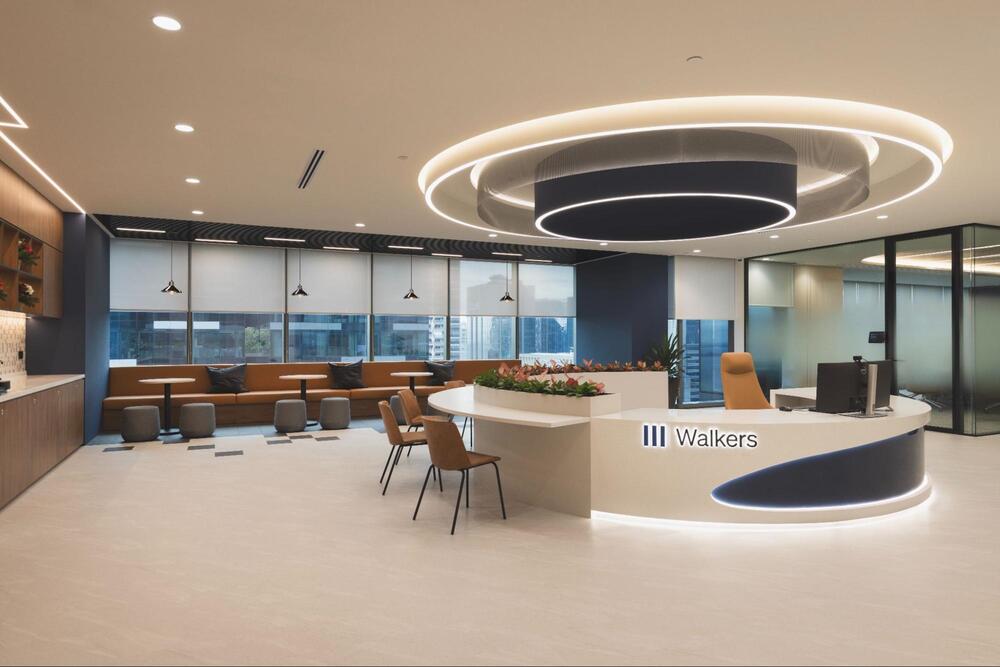
The office entrance controls first contact and energy intake. In Feng Shui for office space, this area determines how Qi enters and spreads through the workplace.
Start with entrance positioning:
- Ensure the main entrance is visible and easy to access
- Avoid hidden, narrow, or obstructed entry points
- Keep doors opening smoothly without resistance
Reception desk placement follows next:
- Place the reception desk facing the entrance
- Avoid placing the desk directly in line with the door
- Ensure staff have a clear view of incoming visitors
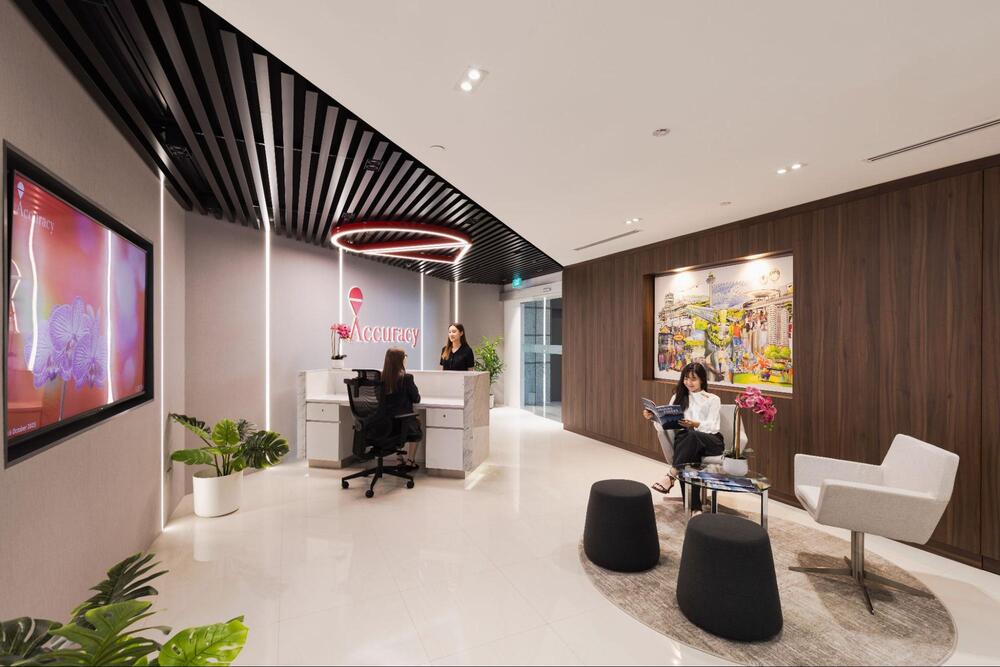
Feng Shui office entrance and reception layout
Lighting and openness matter:
- Use even lighting without glare
- Avoid dark corners near the entrance
- Keep the area free from clutter and storage
Common mistakes to avoid:
- Blocked entrances with furniture or branding walls
- Sharp corners pointing towards the reception desk
- Excessive decorative items that reduce movement space
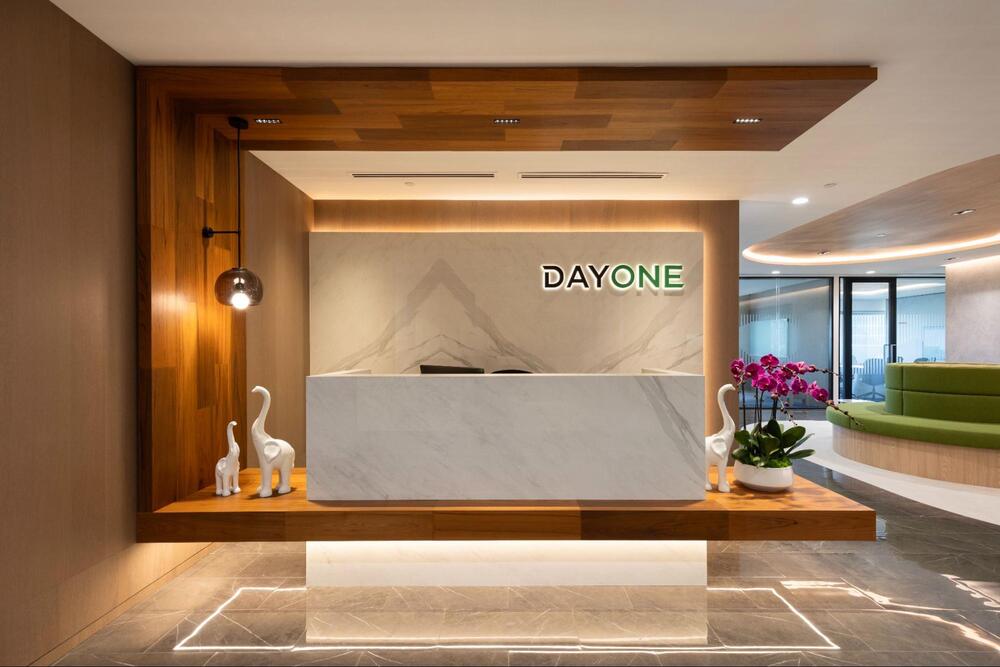
Reception desk placement in a Feng Shui office
2.2 Desk Placement & Workstation Feng Shui
Desk placement is the most critical element in Feng Shui for workplace planning because it affects focus, stress, and authority.
Apply the command position:
- Place desks where the user can see the entrance
- Avoid sitting directly in line with doors
- Ensure solid backing such as a wall or cabinet
Correct desk orientation:
- Face open space, not walls
- Avoid desks with backs to doors or corridors
- Do not place desks facing toilets or service areas
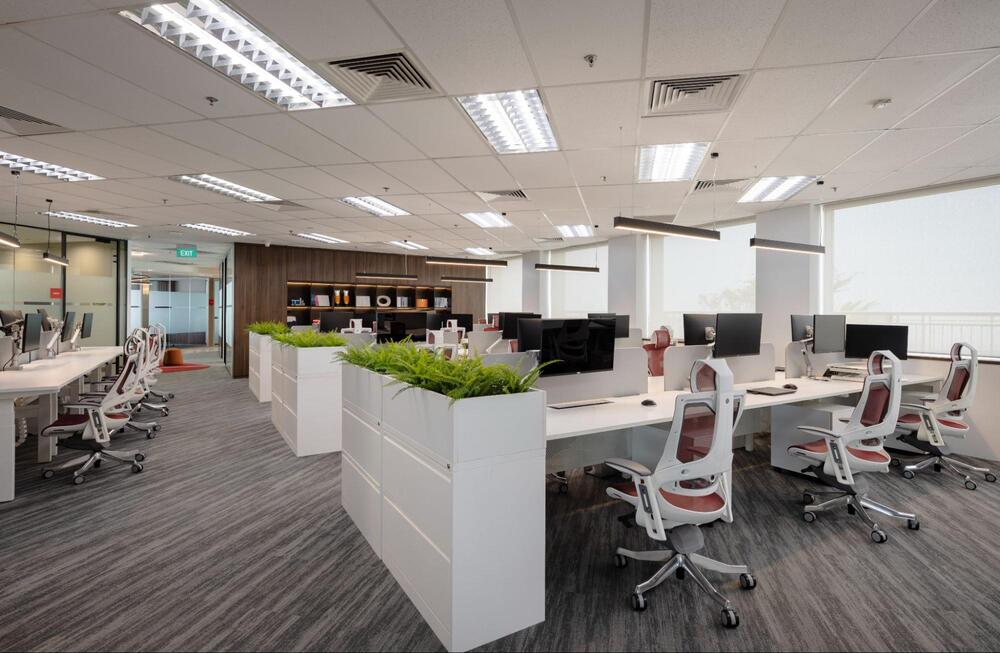
Correct desk orientation in a Feng Shui Office layout
Managing negative layouts:
- Eliminate sharp edges pointing at desks
- Avoid desks under beams or low ceilings
- Reduce visual pressure from busy walkways
For open-plan environments:
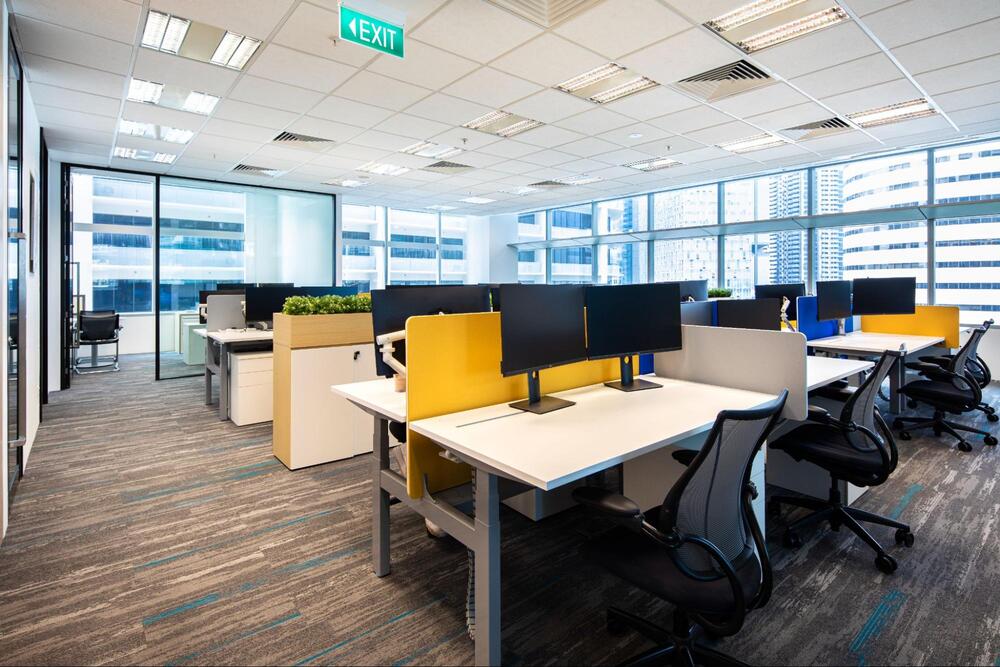
- Use screens or planters to define zones
- Maintain clear circulation paths
- Ensure equal access to light
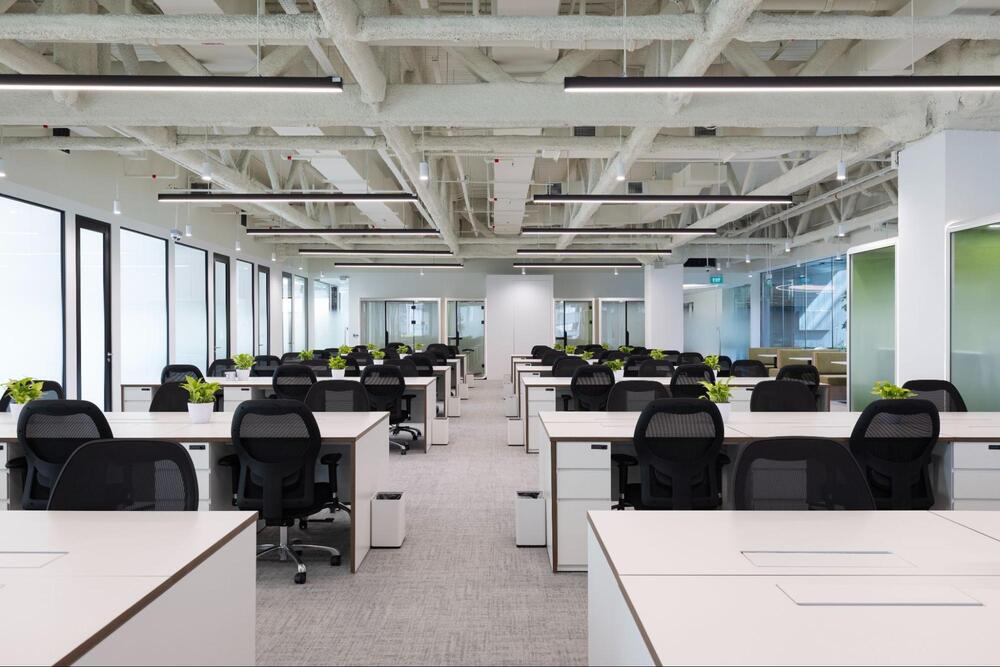
Workstation placement for a good Feng Shui office layout
2.3 Executive & Management Office Feng Shui
Leadership spaces represent authority and direction. In the best Feng Shui for office planning, executive rooms must support decision-making and control.
Desk placement rules:
- Desk positioned diagonally from the door
- Full view of the entrance
- Solid wall behind the desk
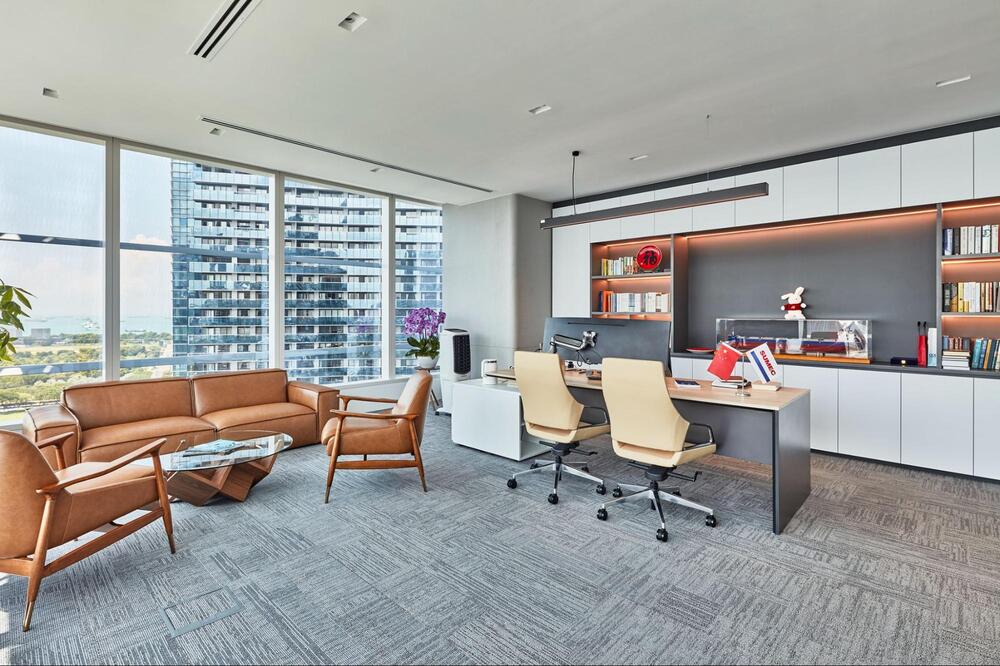
Executive office Feng Shui layout for leadership spaces
Materials and colours:
- Use wood and earth tones for stability
- Limit excessive glass behind the desk
- Choose furniture with clear structure
Avoid these mistakes:
- Desk directly facing the door
- Sitting with a window behind
- Overly decorative or symbolic items
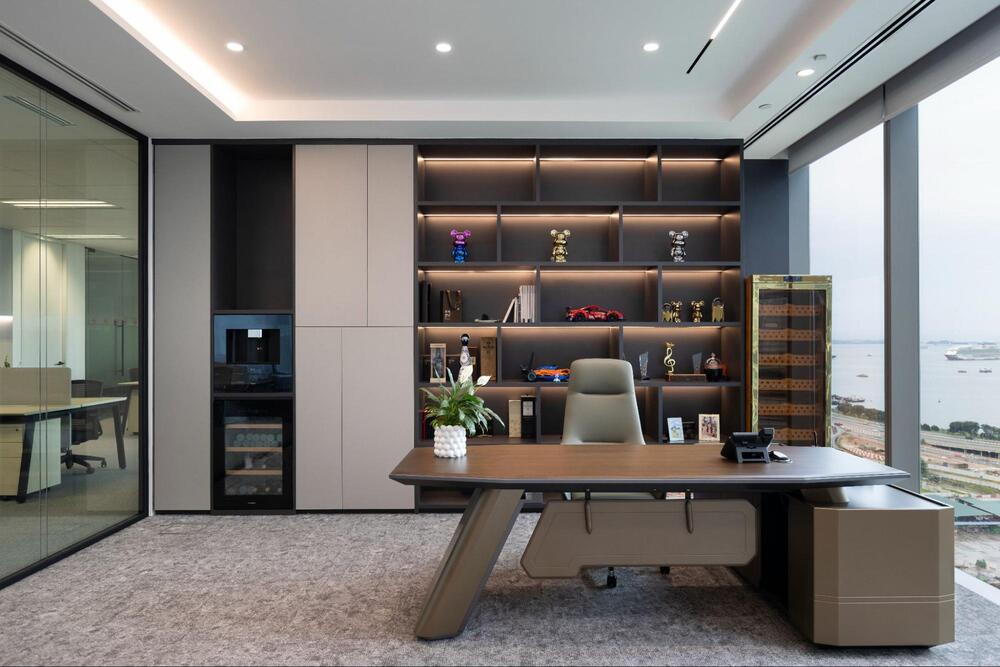
Best Feng Shui for executive office rooms
2.4 Meeting Rooms Feng Shui
Meeting rooms influence communication and outcomes.
Apply these principles:
- Use round or rectangular tables
- Avoid sharp table corners
- Ensure screens do not block doors
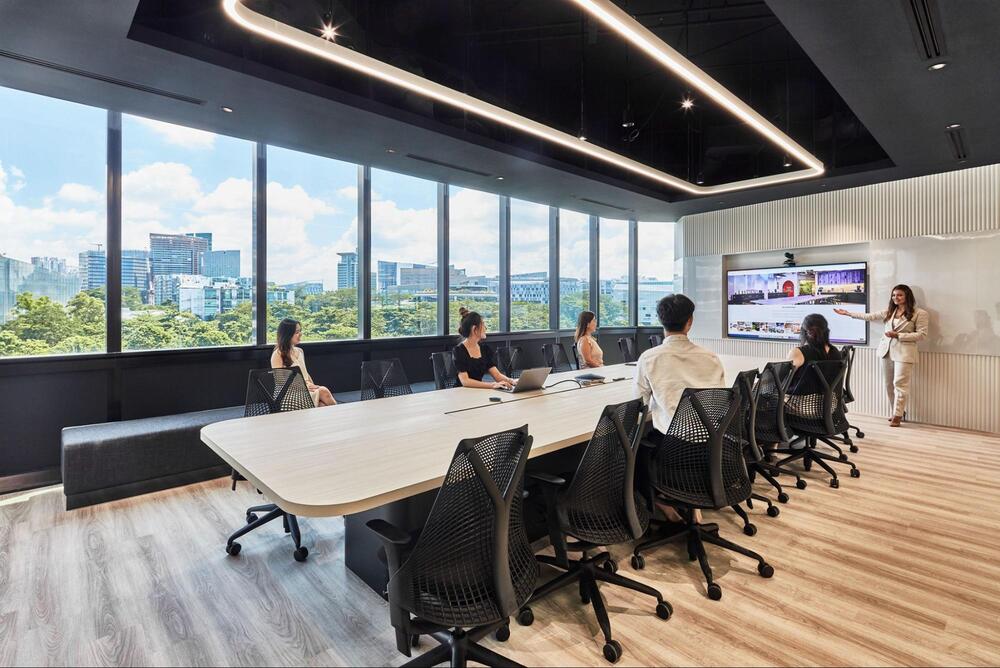
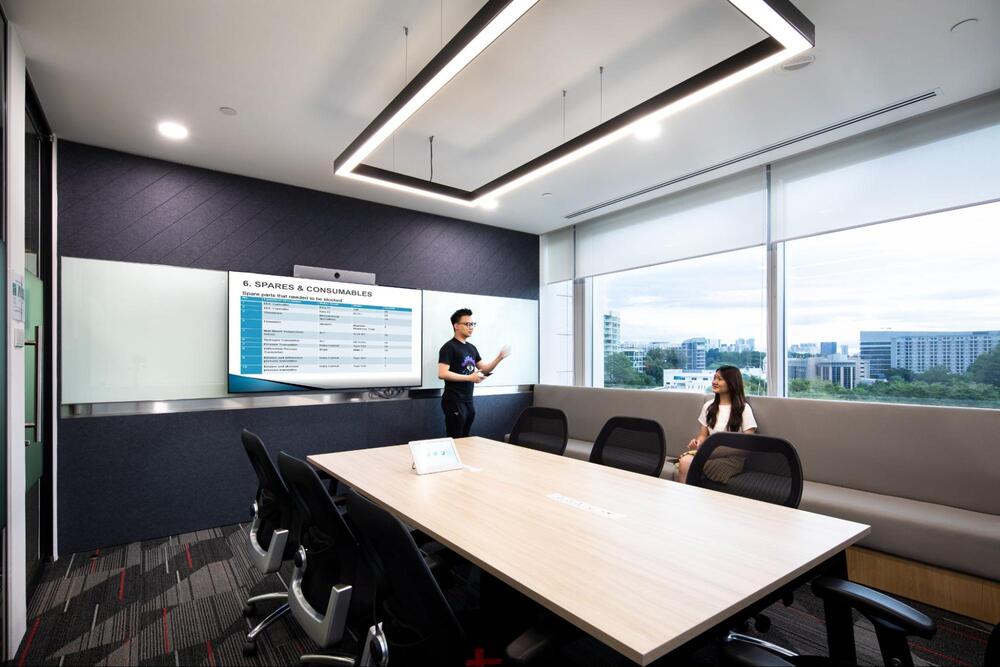
Feng Shui meeting room layout for clear communication
Seating and layout:
- Chairperson with a clear view of the door
- Balanced seating on both sides
- Windows positioned to the side, not behind screens
Colours:
- Neutral tones for focus
- Controlled accent colours for clarity
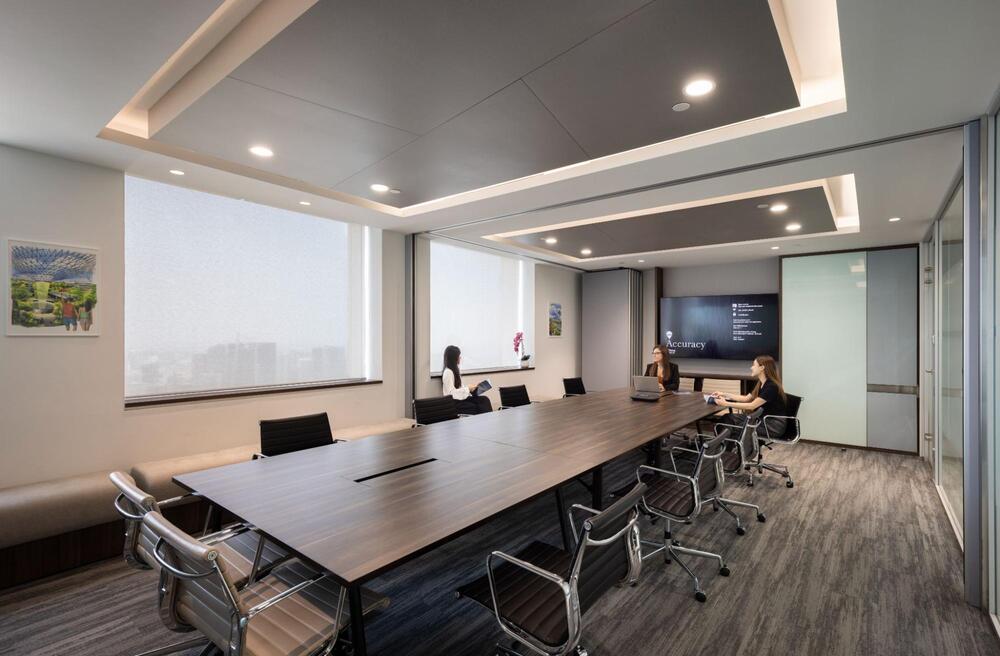
Meeting table and seating in Feng Shui office design
2.5 Pantry, Breakout & Collaboration Areas
Support spaces balance work intensity.
Key steps:
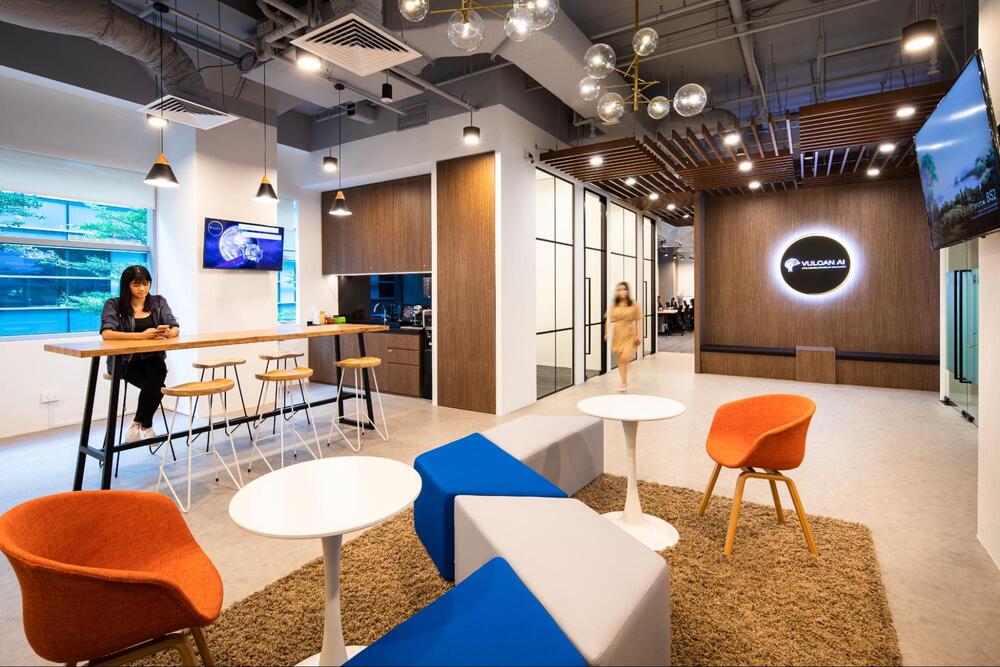
- Place pantries away from main entrances
- Use softer lighting and materials
- Avoid placing rest areas beside focused work zones
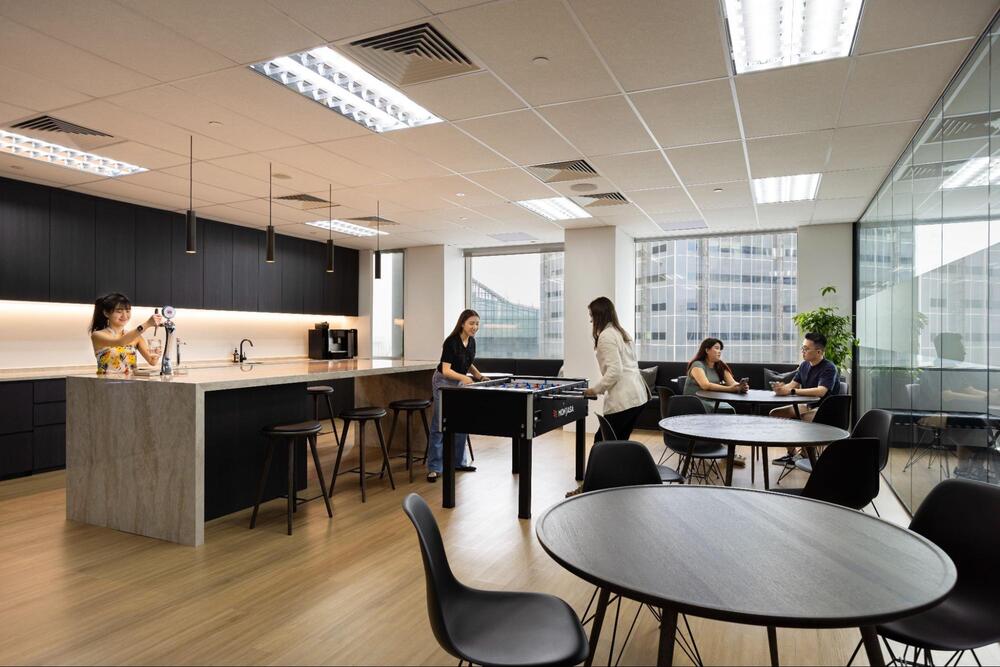
Breakout and pantry areas in a Feng Shui office layout
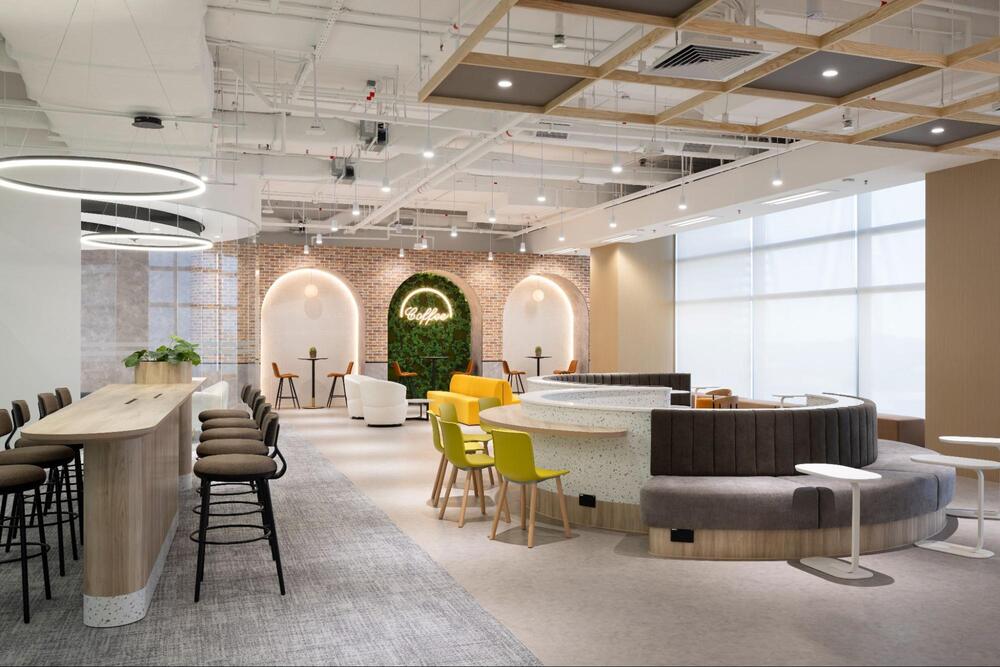
Support spaces in a Feng Shui shared office layout
3. Feng Shui Colours & Materials for Office Design
A Feng Shui layout for office uses colour and material to guide movement, define zones, and support behavioural outcomes. When used correctly, they strengthen a good Feng Shui office layout by reinforcing hierarchy, reducing visual conflict, and improving spatial clarity across different office types.
In Feng Shui office design, colours are linked to the Five Elements: Wood, Fire, Earth, Metal, and Water. Each element supports specific business functions. Balance matters more than intensity.
| Element | Colours | Office Application | Business Impact |
| Wood | Green, soft blue | Work areas, planning zones | Growth, stability |
| Fire | Red, orange, warm tones | Branding accents, leadership zones | Visibility, authority |
| Earth | Beige, sand, brown | Reception, meeting rooms | Trust, support |
| Metal | White, grey, metallic | Operations, finance teams | Structure, focus |
| Water | Navy, black, dark blue | Communication zones | Flow, adaptability |
Colour selection must reflect both function and industry. In Feng Shui for office space, this ensures alignment between work activity and visual environment.
Finance & Banking Offices
- Primary: Metal and Earth colours
- Use: Grey, white, beige
- Limit: Strong reds and dark blues
This supports control, accuracy, and stability in a Feng Shui office room layout.
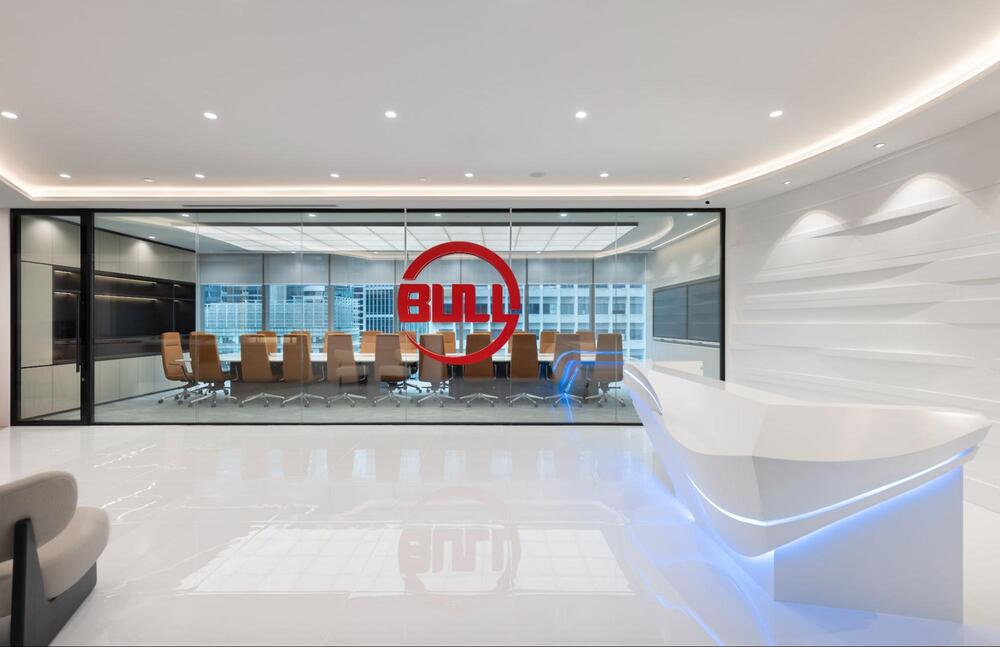
Office colour zoning based on function and workflow
Tech & Creative Companies
- Primary: Wood and Water colours
- Use: Blue, green, neutral bases
- Accent: Controlled Fire elements
This combination encourages focus while allowing flexibility within a Feng Shui shared office layout.
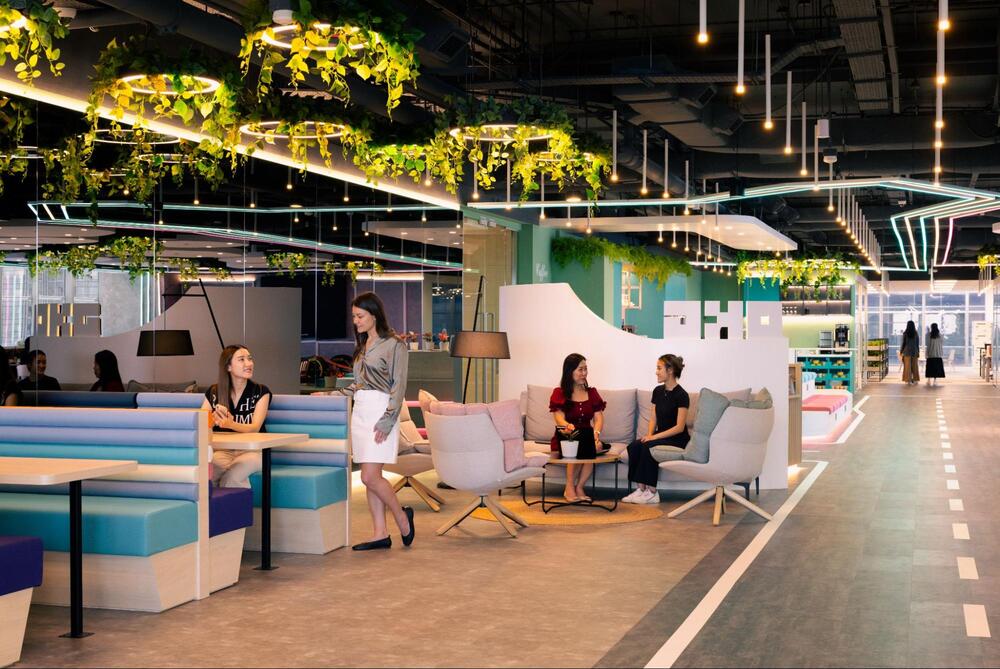
Using colour to support focus and spatial clarity in offices
Professional Services (Law, Consultancy)
- Primary: Earth and Metal
- Use: Warm neutrals with wood finishes
- Avoid: Excess contrast
This creates trust and consistency in client-facing spaces.
Colour planning aligned with industry requirements
4. Common Feng Shui Mistakes in Office Layout Design
Below are the most common mistakes seen in Feng Shui office design, with practical steps to correct them. These apply to corporate offices, SMEs, and shared workplaces.
Overcrowded Layouts That Block Flow
Overcrowding is the most frequent issue in a failed Feng Shui office layout. It happens when teams add more desks without reviewing circulation and zoning. This creates blocked pathways and visual pressure.
Common signs:
- Narrow walkways between desks
- Storage placed in circulation paths
- Desks pushed against entrances
Why this breaks Feng Shui:
- Qi cannot move smoothly
- Noise and distraction increase
- Stress levels rise
Improving circulation through clearer office layout planning
How to fix it step by step:
- Map main circulation routes from entrance to core areas
- Set minimum clear widths for walkways
- Remove non-essential furniture
- Relocate storage to perimeter zones
A good Feng Shui office layout prioritises movement before density. Even a Feng Shui office cubicle layout must allow clear paths to function well.
From dense desk arrangements to structured movement paths
Poor Lighting and Ventilation
Lighting and air quality directly affect focus and health. Many Feng Shui office layout examples rely on artificial lighting without assessing balance.
Common mistakes:
- Workstations far from natural light
- Strong glare above desks
- Poor air circulation in corners
Impact on the workplace:
- Fatigue increases
- Decision-making slows
- Staff discomfort rises
Balancing natural light and airflow in office environments
Corrective actions:
- Place workstations closer to windows where possible
- Use layered lighting instead of single sources
- Ensure air outlets serve all zones
In Feng Shui for office space, light and air are treated as active design elements. Balanced lighting supports the best Feng Shui office layout without reliance on symbolism.
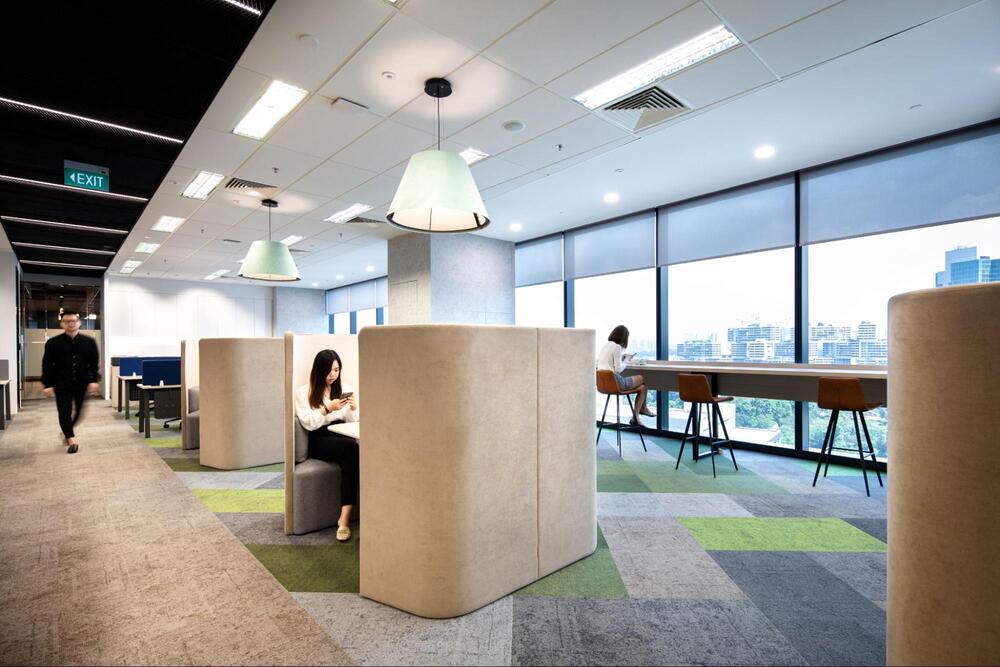
Enhancing focus through better lighting and ventilation design
Incorrect Desk Orientation
Desk orientation is often misunderstood. Many offices place desks based on space efficiency alone, ignoring position.
Common errors:
- Sitting with back to the door
- Facing walls or service areas
- Sitting directly in line with doors
Why this matters:
- Reduces sense of control
- Increases distraction
- Weakens authority
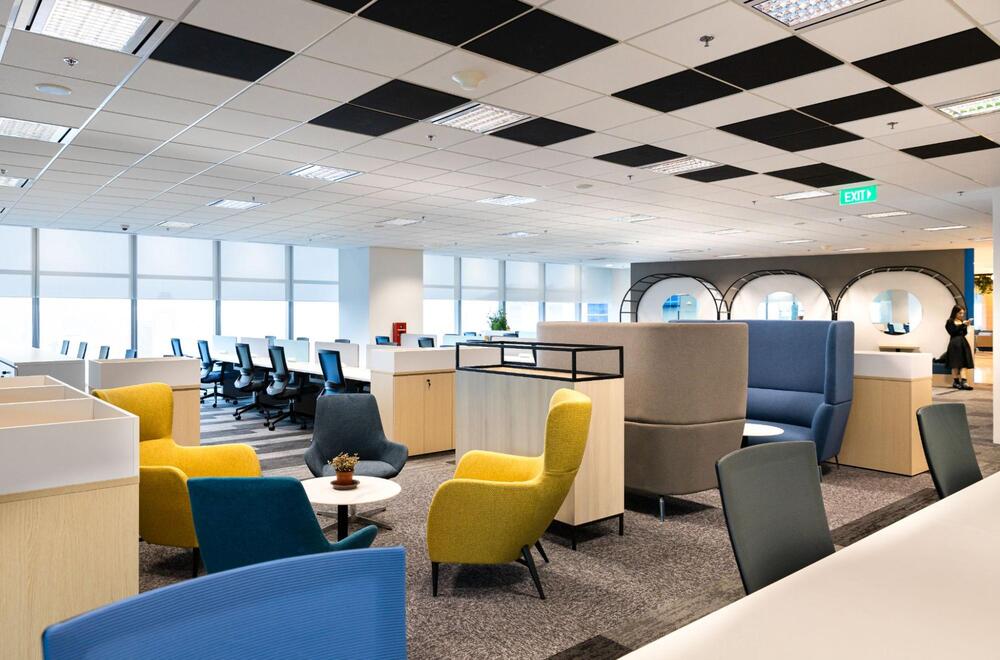
Optimising desk orientation to support focus and control
How to correct:
- Position desks to face open space
- Ensure visibility of entry points
- Provide solid backing behind desks
This applies to individual desks and management areas. A Feng Shui office room layout that ignores desk orientation often leads to low focus and tension.
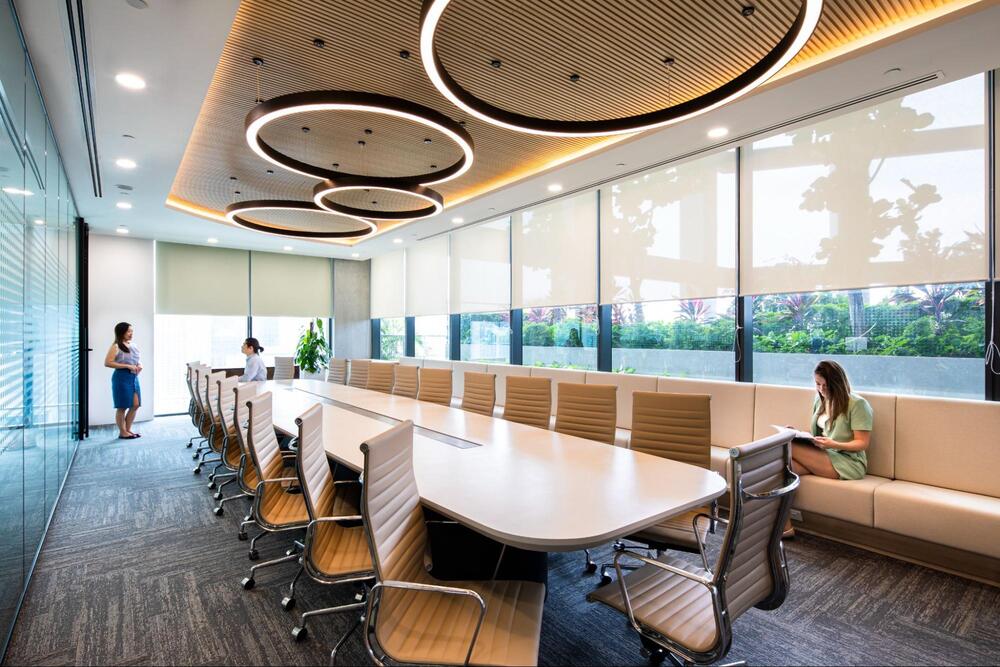
Correct desk positioning in a modern Feng Shui office layout
Ignoring Flow Between Departments
Departments must interact logically. Poor adjacency planning is a major issue in Feng Shui for workplace layouts.
Typical mistakes:
- High-traffic teams placed beside quiet zones
- Meeting rooms interrupting main pathways
- Support teams isolated from core teams
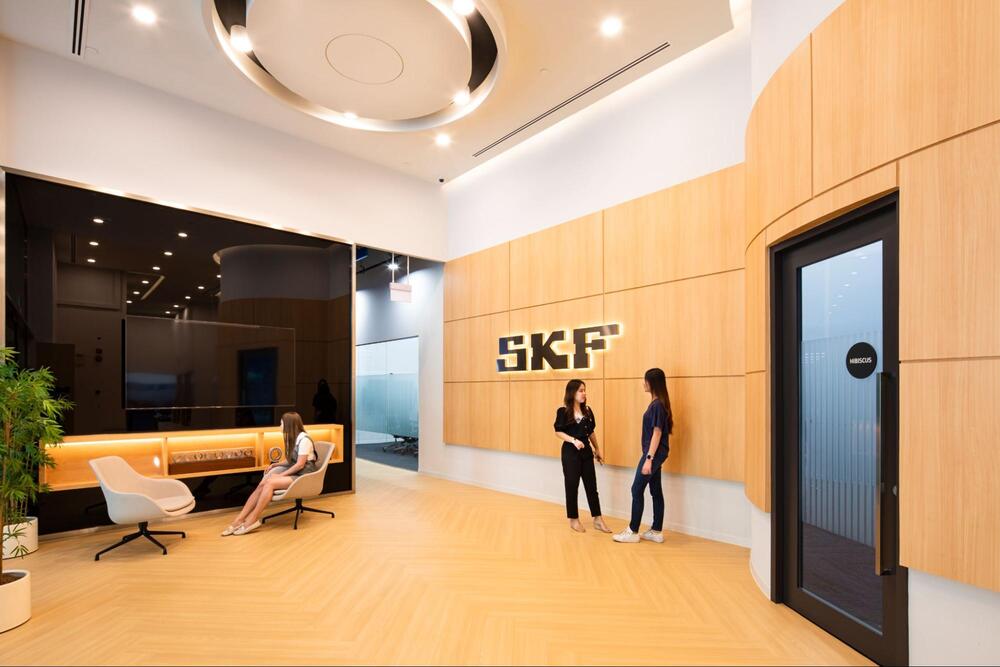
Aligning department layout with workflow and interaction
How to fix:
- Group teams by interaction frequency
- Separate noisy and quiet functions
- Align circulation with workflows
This approach improves both efficiency and Feng Shui for your office without major construction changes.
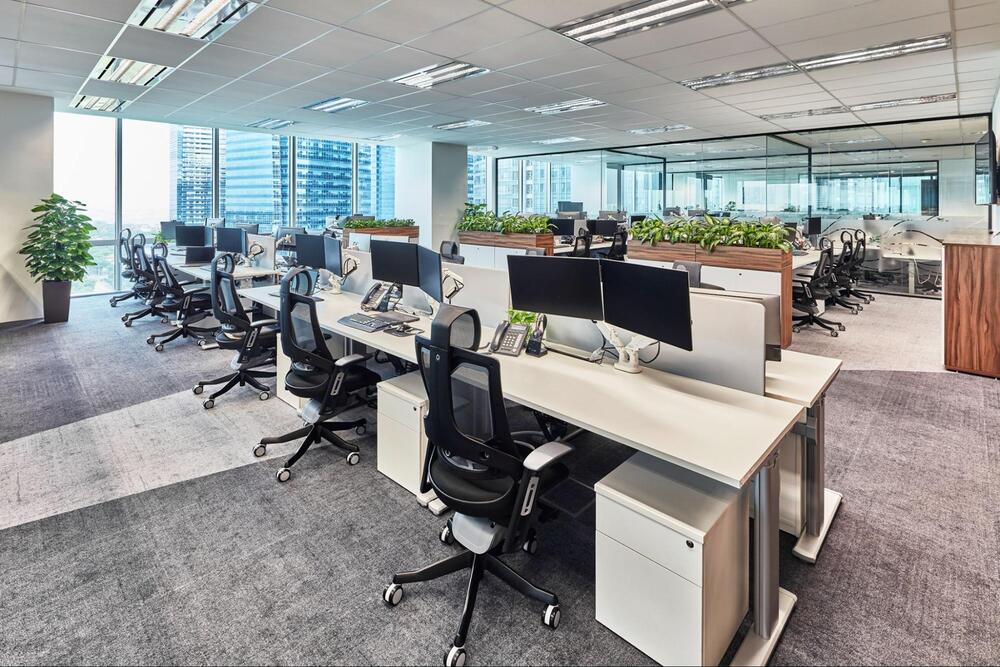
Improving office efficiency through logical space adjacency
Blindly Following Feng Shui Without Functional Planning
The most damaging mistake is applying Feng Shui rules without context. This includes copying layouts from online Feng Shui office layout examples.
Examples of this error:
- Blocking windows for symbolic reasons
- Avoiding glass where it is required
- Forcing layouts that break safety rules
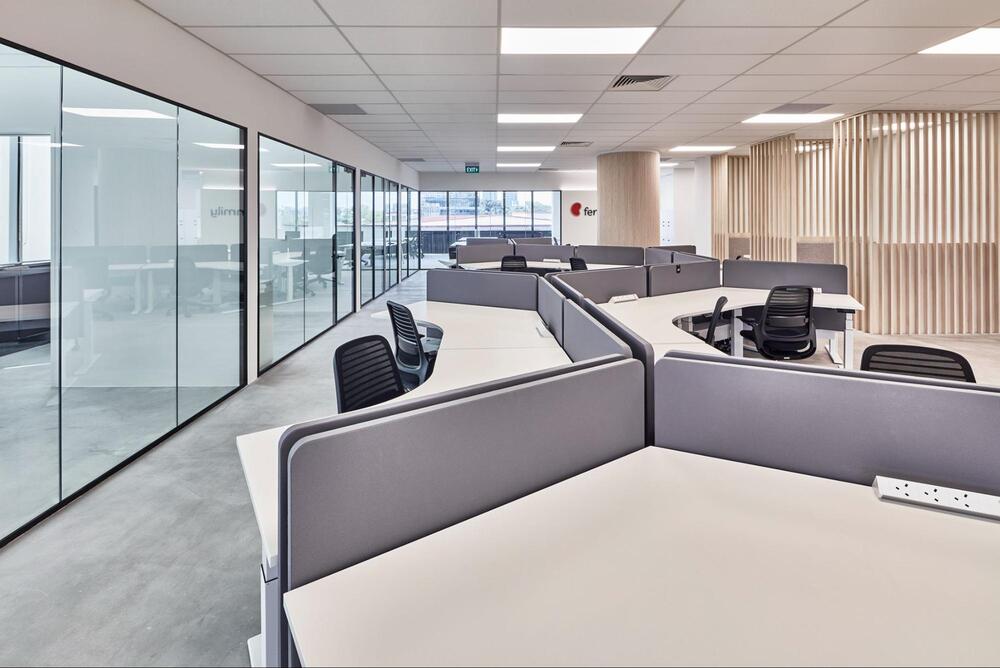
Integrating Feng Shui principles with functional office planning
Correct approach:
- Start with function and compliance
- Apply Feng Shui to refine layout
- Test usability before finalising
The best Feng Shui for office solutions supports people, not rituals. When function leads and Feng Shui supports, the result is a Feng Shui shared office layout that performs well over time.
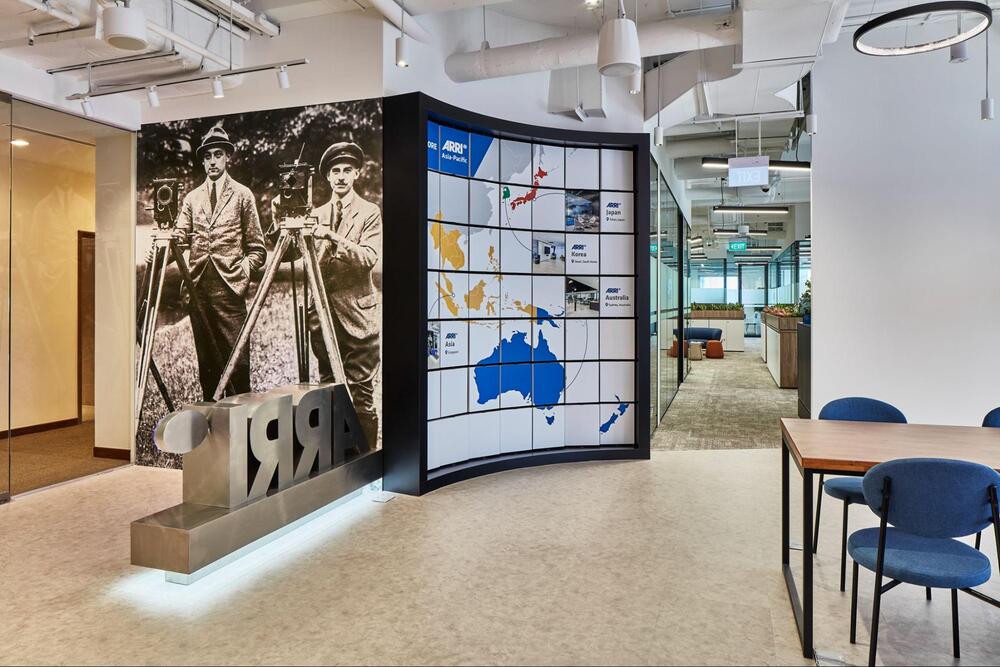
Applying Feng Shui as a spatial framework, not a rigid rule set
5. FAQs About Feng Shui Office Layout in Singapore
Is the Feng Shui office layout scientifically proven?
Feng Shui office layout is not a science. However, it follows spatial planning principles such as clear circulation, desk orientation, lighting, and zoning. These factors are proven to affect focus, comfort, and workflow. This is why many Feng Shui office layout examples perform well in practice.
Does Feng Shui work in modern corporate offices?
Yes. A Feng Shui layout for office works when applied as a planning framework, not decoration. It supports open layouts, hybrid work, and shared facilities by improving visibility, movement, and spatial order.
Can Feng Shui be applied in open-plan offices?
Yes. A Feng Shui shared office layout focuses on zoning and circulation. Workstations should avoid main walkways, desks should face open space, and visual pressure should be reduced using screens or storage. This also applies to a Feng Shui office cubicle layout.
Is Feng Shui suitable for non-Chinese companies in Singapore?
Yes. Feng Shui office design does not require cultural symbols. Many multinational firms apply Feng Shui for office space through desk positioning, zoning, and lighting without changing brand identity.
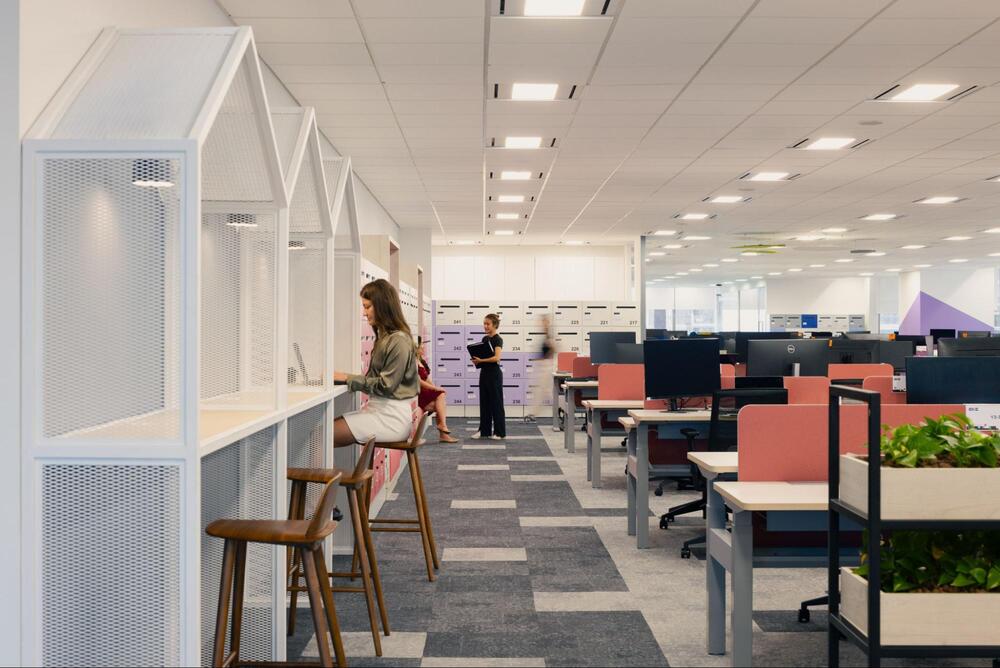
Office layout planning that supports workflow and focus
An effective Feng Shui office layout is not achieved by copying rules or following symbolic practices without context. Its value lies in organising office space around real patterns of use, clear circulation, and functional zoning. This approach results in a Feng Shui office room layout that is structured, adaptable, and aligned with long-term business needs in Singapore’s modern working landscape.