Many modern spaces are designed to support more than one function. Multifunctional spaces respond to this by allowing one environment to support flexibility, productivity, and efficient use of space through thoughtful interior design. In this article by OSCA Asia, we look at how multi function room design works, the forms they take in modern design, and the principles that help them stay flexible and effective.
1. What Are Multifunctional Spaces? Key Benefits of Multifunctional Spaces
Multifunctional spaces are environments designed to support more than one activity within the same area. Instead of assigning a space to a single fixed purpose, these spaces adapt easily to different needs such as working, meeting, relaxing, or social interaction. Smart layout planning, flexible furniture, and clear zoning allow one space to perform multiple functions efficiently.
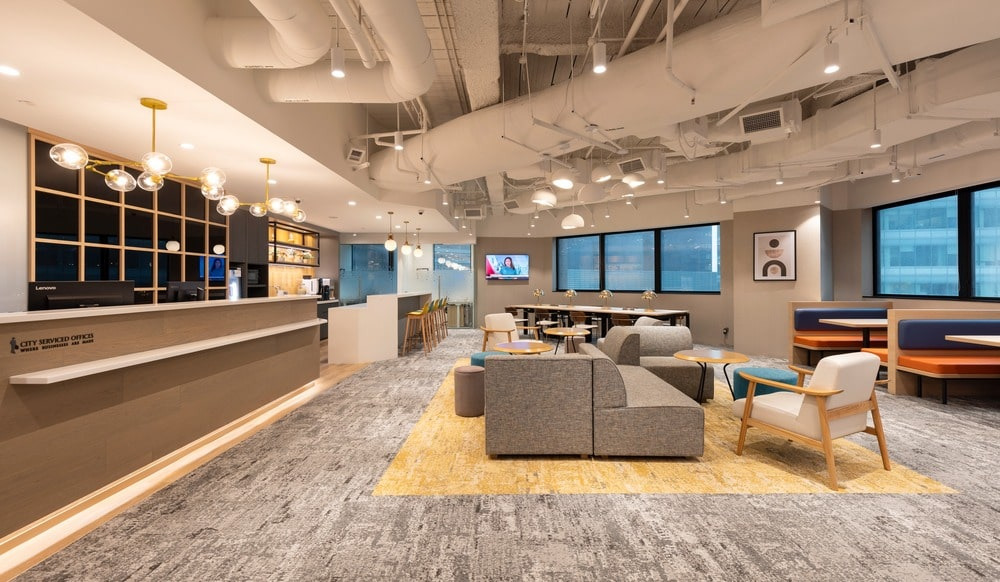
Smart multifunctional spaces support modern lifestyles through flexible layouts and efficient interior planning
This design approach allows spaces to respond more naturally to everyday use, creating a strong foundation for the many benefits that multifunctional environments can provide.
Maximising space efficiency
Multifunctional space design improves how floor area is used by enabling one space to support multiple functions through spatial overlap and functional conversion. The study “Multifunctional Space Conversion and Environmental Design in Modern Interior Design” demonstrates that such strategies can achieve space utilisation rates of over 90 percent in compact interiors, reducing wasted floor area while making interiors feel more open, organised, and efficient, especially where space is limited.
Enhancing user experience & productivity
These spaces improve how people use and experience their surroundings. Easy transitions between focused work, collaboration, and informal breaks support comfort and productivity, while accommodating different working styles throughout the day.
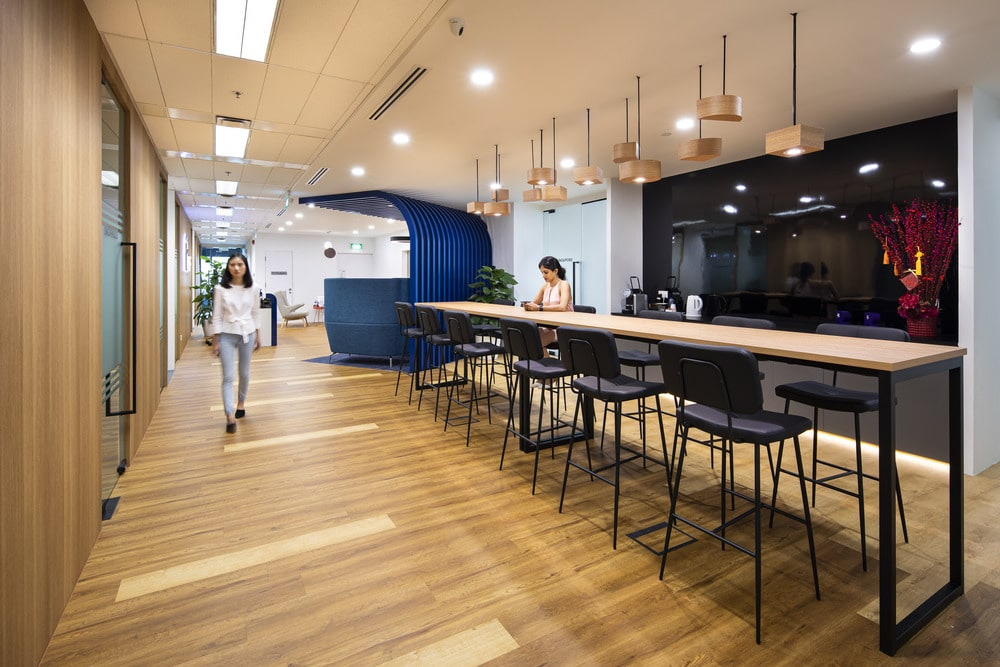
Multi function room design supports flexible activities while maximising usability within a single adaptable space.
Improving flexibility for future needs
Multifunctional design allows spaces to adapt as needs change. Layouts can be adjusted for new teams, technologies, or activities without major renovation, helping organisations remain flexible and adaptable for future requirements.
Sustainability & reduced resource waste
Using one space for multiple purposes reduces the need for extra materials and construction. This leads to lower energy use, less waste, and a more sustainable approach to interior design without compromising functionality.
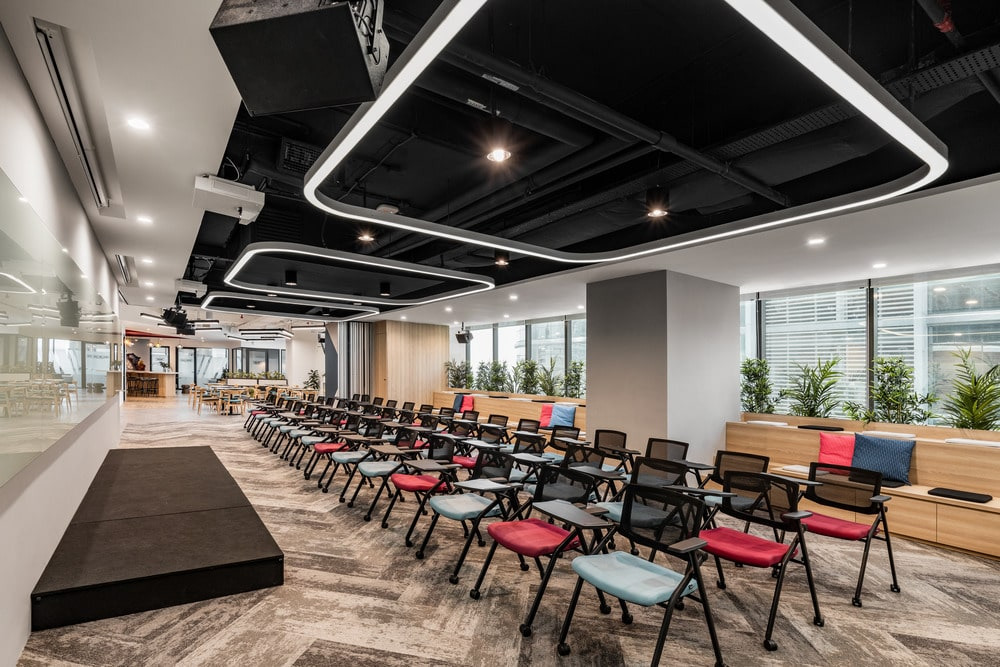
Thoughtful interior design allows multifunctional spaces to adapt smoothly to changing daily activities
2. Types of Multifunctional Spaces
2.1 Multifunctional Office Spaces
In office environments, multifunctional office spaces are designed to support the full working cycle within one integrated setting. A single area can shift between focused individual work, team collaboration, meetings, and informal interaction, reducing the need for rigid, single purpose rooms.
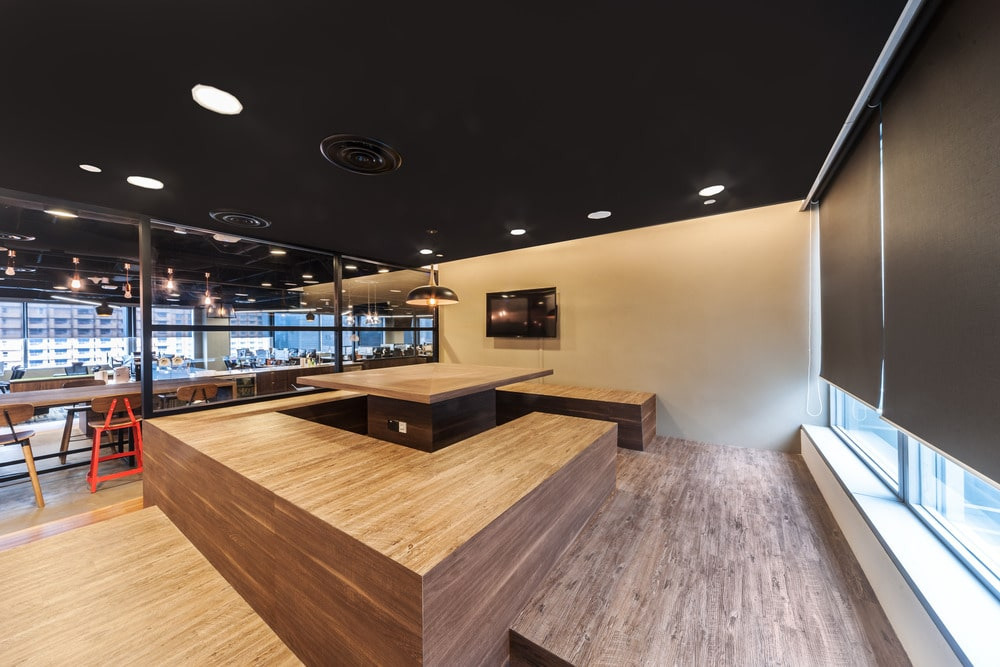
Multifunctional office spaces support individual work, collaboration, meetings, and informal interaction
In practice, multifunctional office space often combines flexible workstations, meeting and brainstorming areas, and social or breakout zones such as lounges or coffee points. This approach helps offices respond to changing work patterns while improving space efficiency, communication, and overall workplace experience.
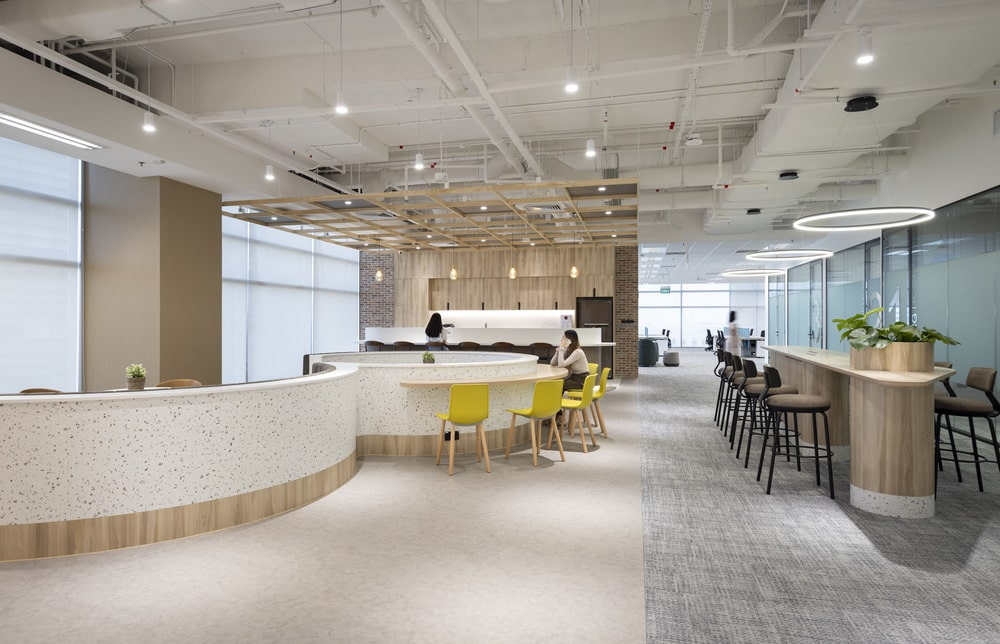
Integrated work zones improve communication, efficiency, and overall workplace experience
2.2 Residential Multifunctional Spaces
Modern homes often require one space to support several daily activities at once. Living areas are no longer just places to relax, but also need to accommodate working, organising, and everyday routines within the same room. As lifestyles become more flexible, the living room has evolved into a central space that adapts to changing needs throughout the day.
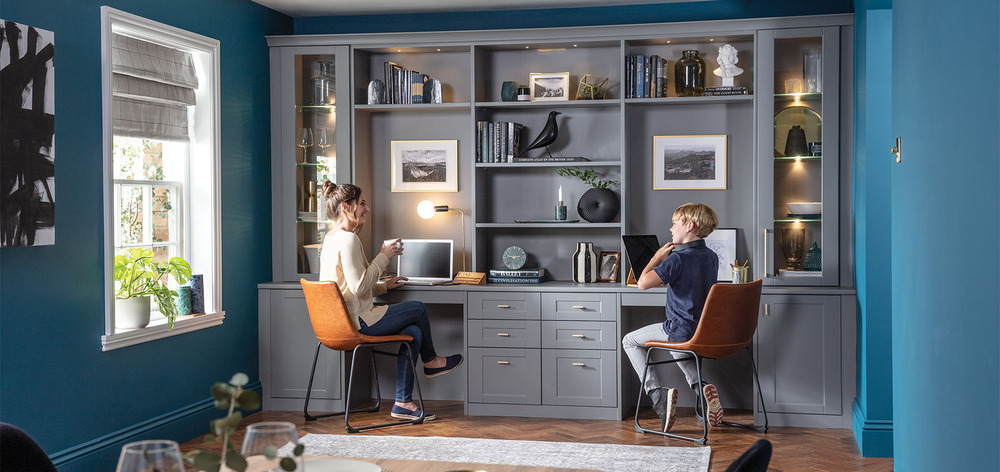
Residential multifunctional spaces allow one room to support work, rest, and daily routines
Through smart planning, work desks, shelving, and storage are built seamlessly into the living room layout. This approach keeps the space organised and adaptable, allowing residents to balance work, rest, and daily life without sacrificing comfort or visual clarity.
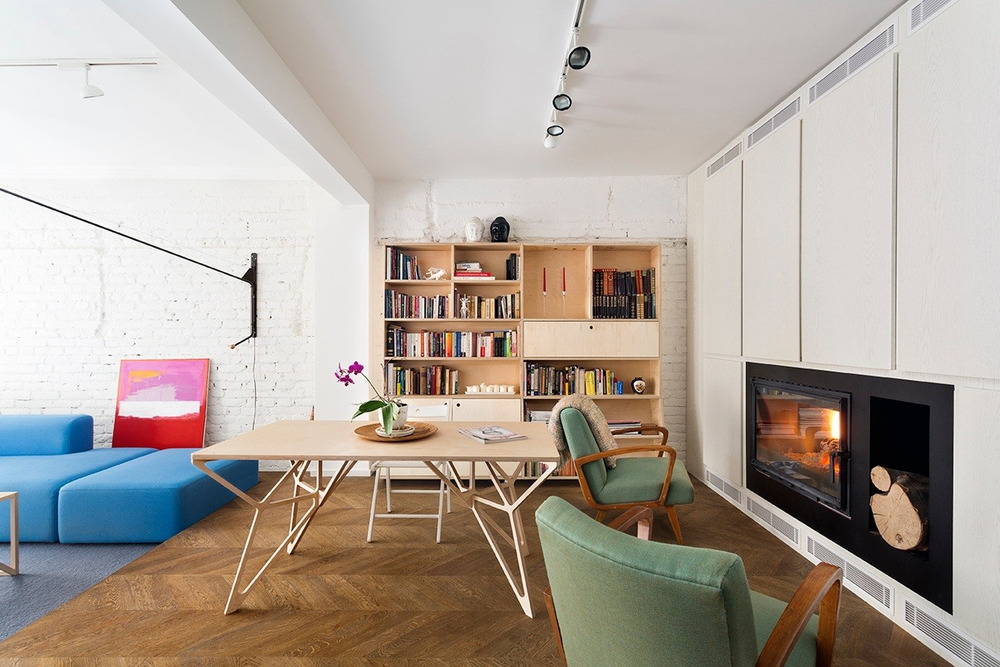
Smart storage and furniture integration keep homes organised and visually balanced
2.3 Commercial & Retail Multifunctional Spaces
In commercial and retail design, a single space often needs to support different types of activities beyond product display. A thoughtful multifunctional space design allows one area to function as a showroom, an event venue, and an experience zone, adapting to different purposes throughout the day.
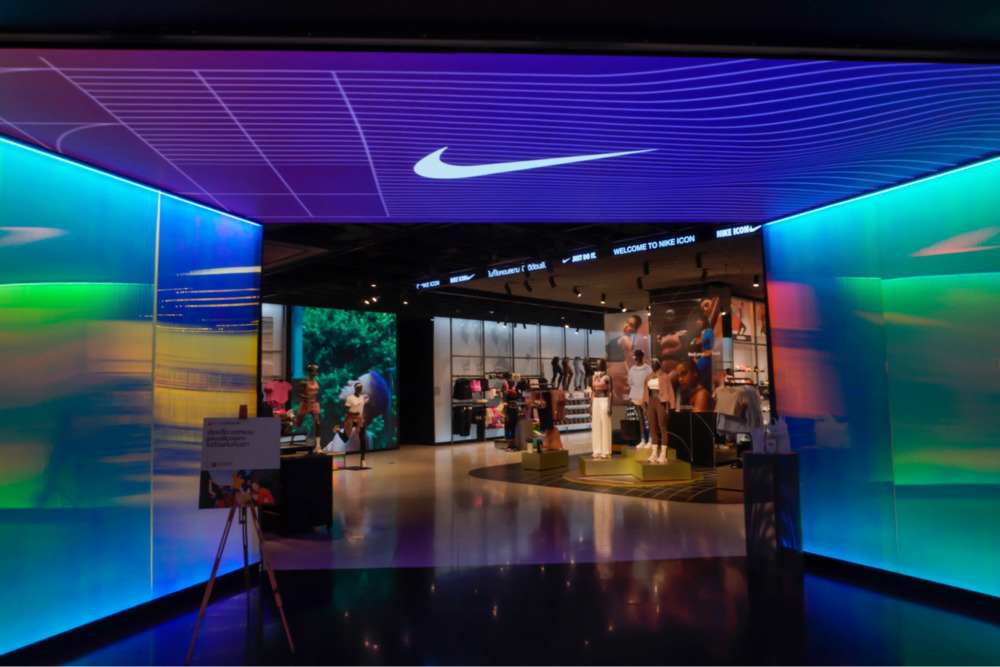
Multifunctional retail spaces combine product display, events, and customer engagement zones
By combining display areas with flexible layouts for launches, workshops, or customer engagement activities, brands can create dynamic spaces that feel interactive and memorable. This approach helps retail and commercial interiors attract visitors, encourage longer stays, and strengthen brand connection without the need for separate, single purpose areas.
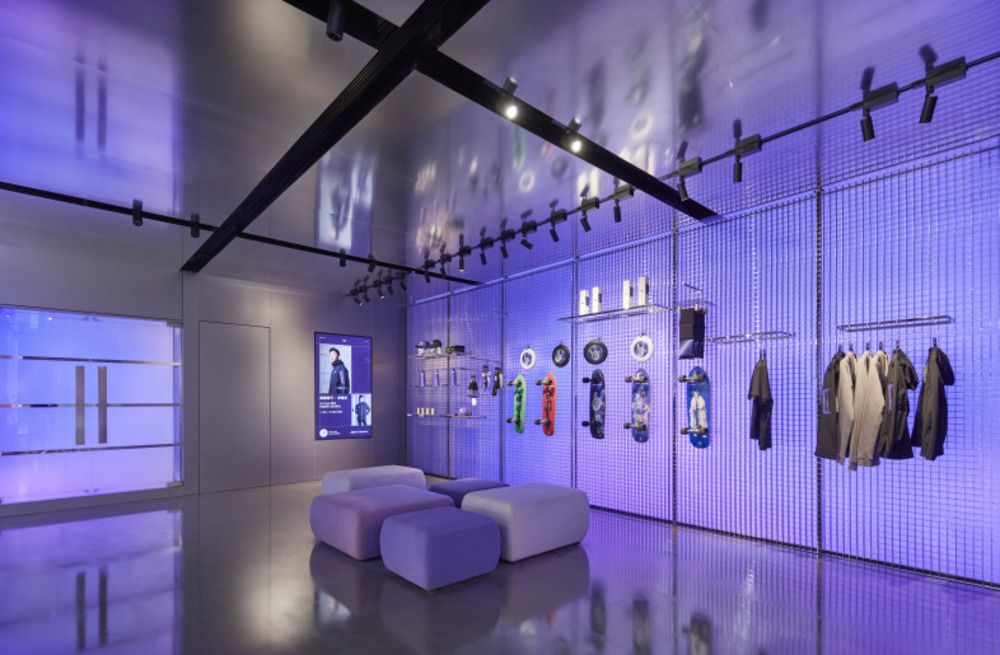
Flexible layouts allow brands to host launches, workshops, and interactive experiences
2.4 Hospitality & Public Multifunctional Spaces
In hospitality and public settings, shared areas are often designed to support several activities at the same time. Hotels, serviced buildings, and public venues increasingly use multifunctional space design where lobbies extend beyond reception, combining co-working areas and café-style seating within one open environment.
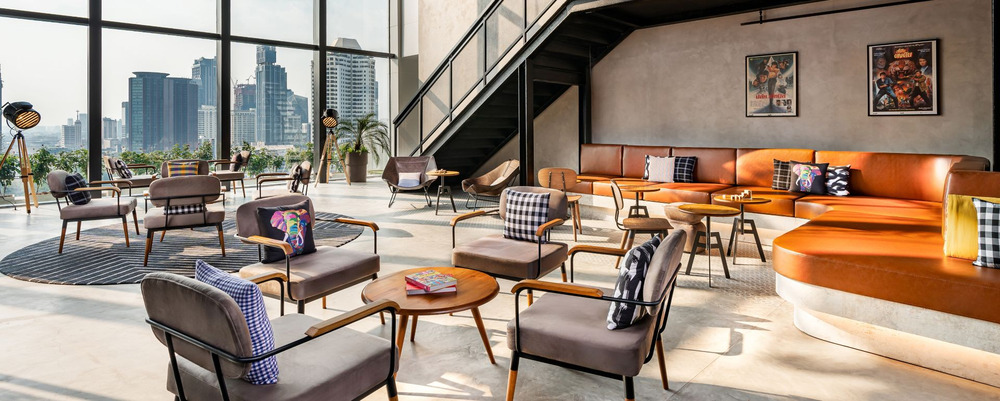
Multifunctional space design improves productivity by allowing smooth transitions between work and social activities
By blending welcoming lounges, informal work zones, and food and beverage areas, these spaces encourage people to stay longer and use the space more freely. Clear zoning, comfortable furniture, and flexible layouts help balance social interaction, focused work, and relaxation without disrupting the overall guest experience.
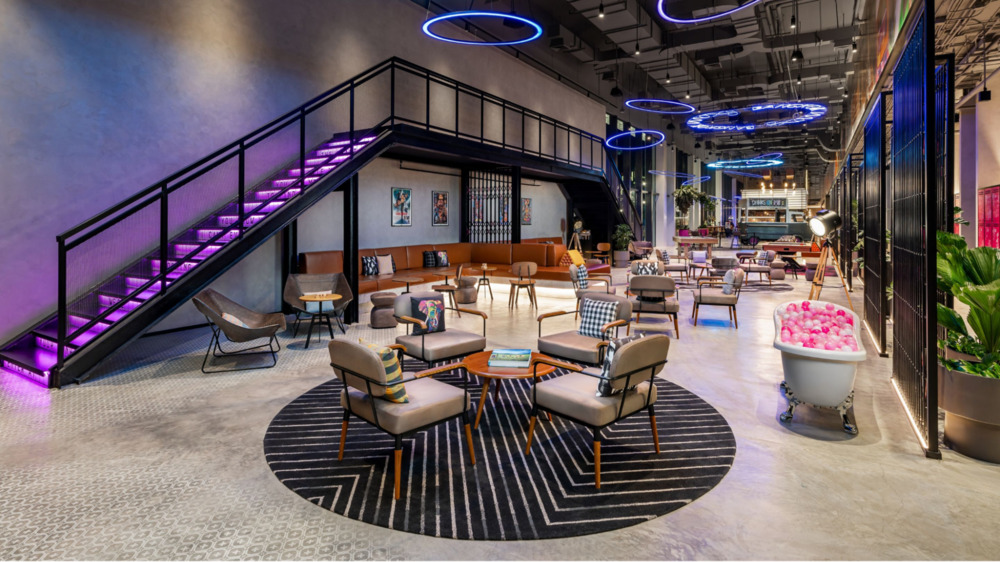
Dynamic commercial interiors encourage longer visits and stronger brand connections
3. Core Design Principles for Multifunctional Spaces
Successful multifunctional interiors rely on clear design principles that allow one space to support different activities without feeling disorganised. A well-considered multifunctional space design balances flexibility, comfort, and visual clarity, ensuring that spaces can adapt to changing needs while remaining practical and easy to use.
Flexible layout planning
Flexible layout planning allows spaces to change function throughout the day without structural changes. Clear circulation, adaptable furniture arrangements, and open planning make it easier to switch between work, meetings, and social activities while maintaining a sense of order and comfort.
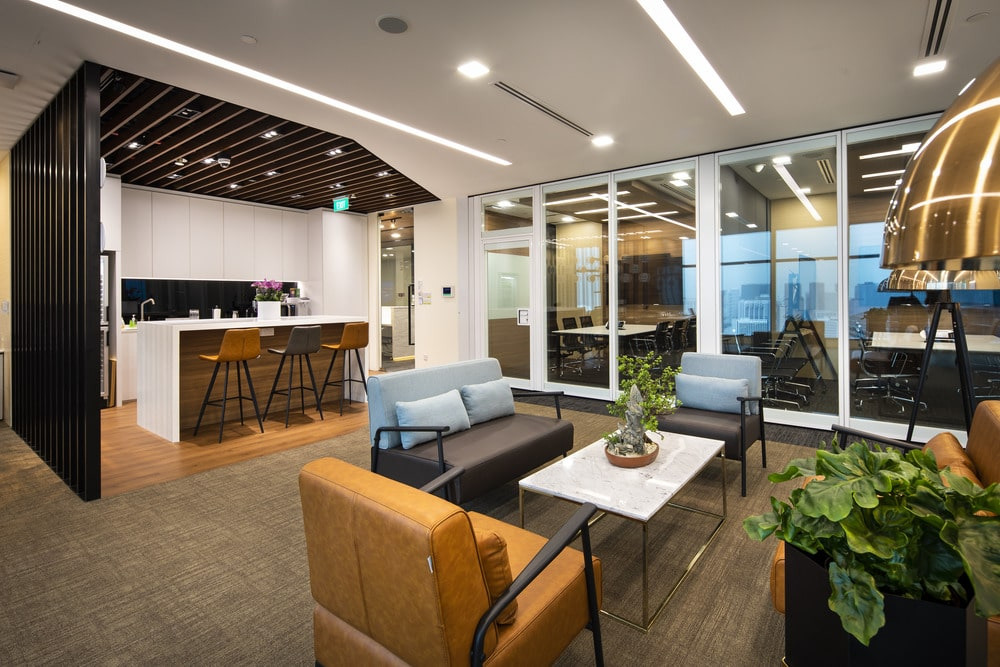
Flexible layout planning allows spaces to change function without structural modifications
Modular & movable furniture
Modular and movable furniture plays a key role in multi-function room design, allowing users to rearrange the space as needed. Tables, seating, and storage units can be repositioned or combined, supporting different activities while keeping the space efficient and easy to manage.
Smart zoning without permanent partitions
Smart zoning defines different functions within one space without relying on fixed walls. Changes in flooring, ceiling design, furniture placement, or lighting help create visual boundaries, allowing multiple activities to coexist while keeping the space open and connected.
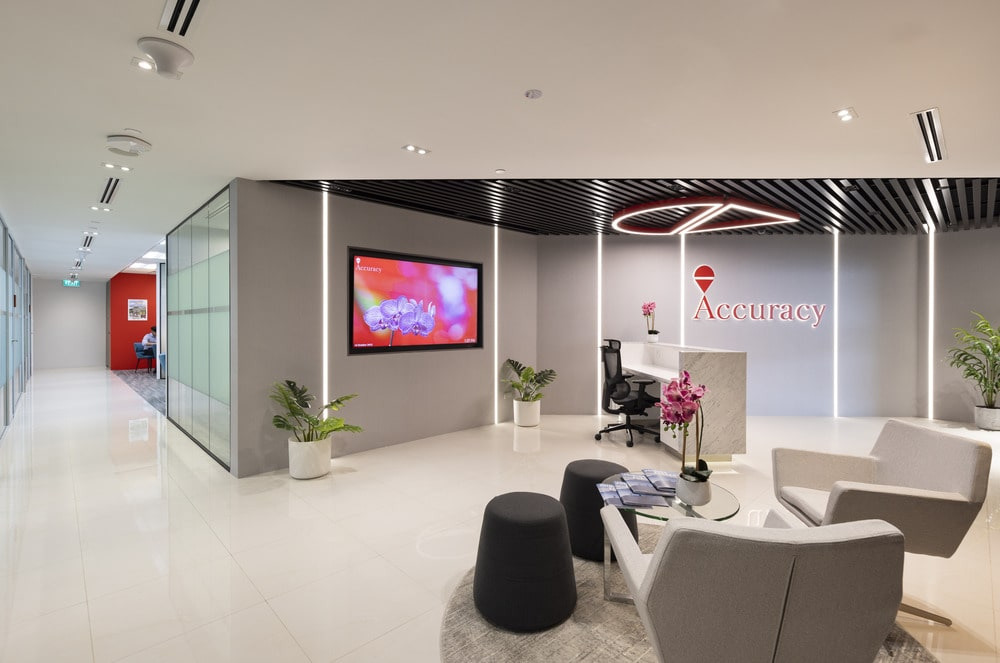
Smart zoning defines functions visually without relying on fixed walls
Acoustics, lighting & privacy considerations
Acoustic control, lighting, and privacy are essential for comfort in multifunctional environments. Soft finishes, sound-absorbing materials, and adjustable lighting help reduce distractions and support both focused work and social interaction within the same area.
Technology integration for space adaptability
Technology supports adaptability by enabling spaces to change function easily. Integrated power, wireless connectivity, smart lighting, and booking systems help users move between activities smoothly, making multi-function room design more responsive to daily and future needs.
4. Challenges in Designing Multifunctional Spaces and How to Solve Them
Designing multifunctional spaces brings clear benefits, but it also presents several challenges that need careful consideration. Without the right approach, spaces can feel uncomfortable, noisy, or visually cluttered. Addressing these issues through smart design helps ensure that flexibility does not come at the expense of usability or comfort.
Balancing flexibility vs comfort
Highly flexible spaces can sometimes feel temporary or impersonal. To avoid this, comfort should be built into the design through ergonomic furniture, appropriate materials, and a clear sense of scale. A well-designed space feels adaptable while still offering physical and visual comfort for daily use.
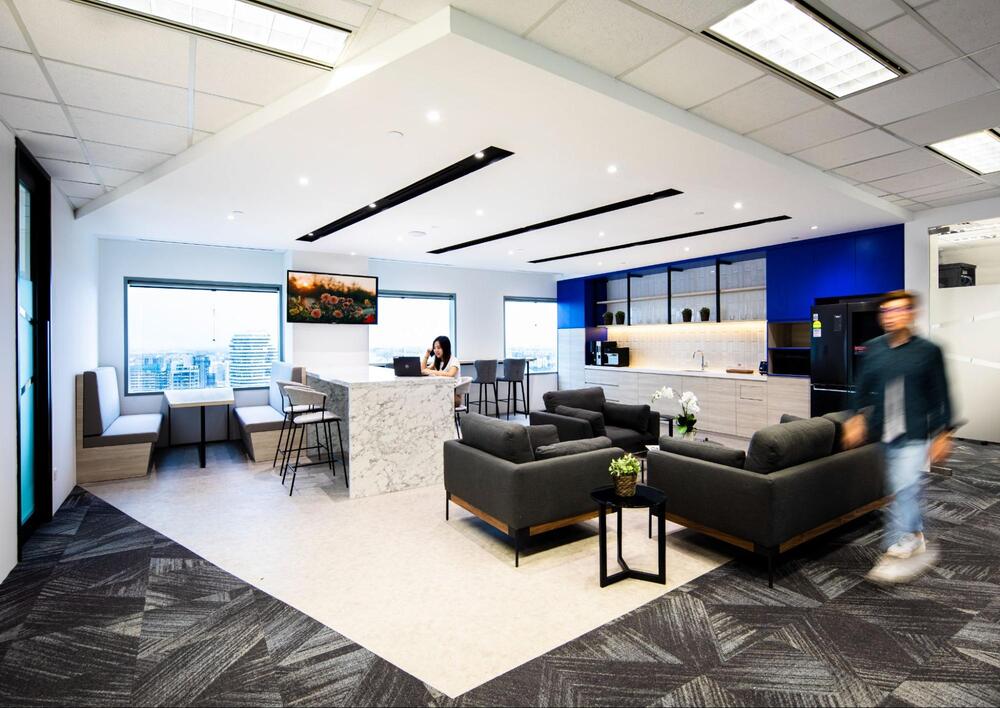
Highly flexible spaces still require ergonomic furniture and material comfort
Managing noise & visual distractions
When multiple activities share the same space, noise and movement can become disruptive. Acoustic materials, soft finishes, and thoughtful layout planning help reduce sound travel and visual disturbance, allowing focused and social activities to coexist more comfortably.
Avoiding clutter and over design
Multifunctional spaces risk becoming overcrowded with furniture and features. Clear priorities, integrated storage, and simple design solutions help maintain visual clarity. Each element should serve a purpose, supporting flexibility without overwhelming the space.
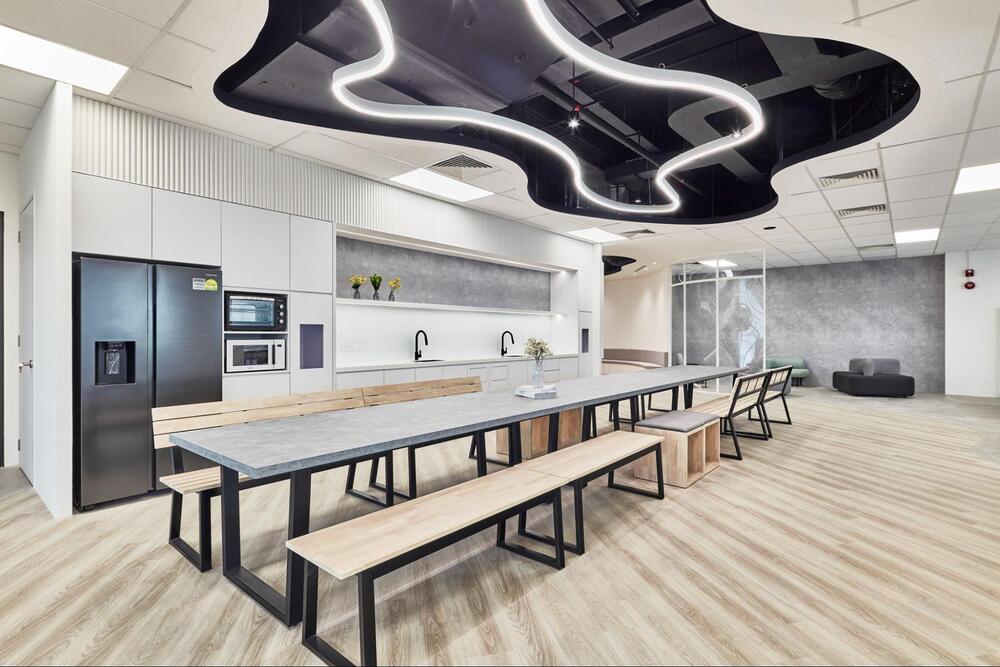
Clear design priorities prevent multifunctional spaces from becoming overcrowded
Ensuring smooth transitions between functions
A successful multifunctional space allows users to move easily from one activity to another. Flexible furniture, clear zoning, and intuitive layouts support smooth transitions, ensuring the space feels natural and easy to use throughout the day.
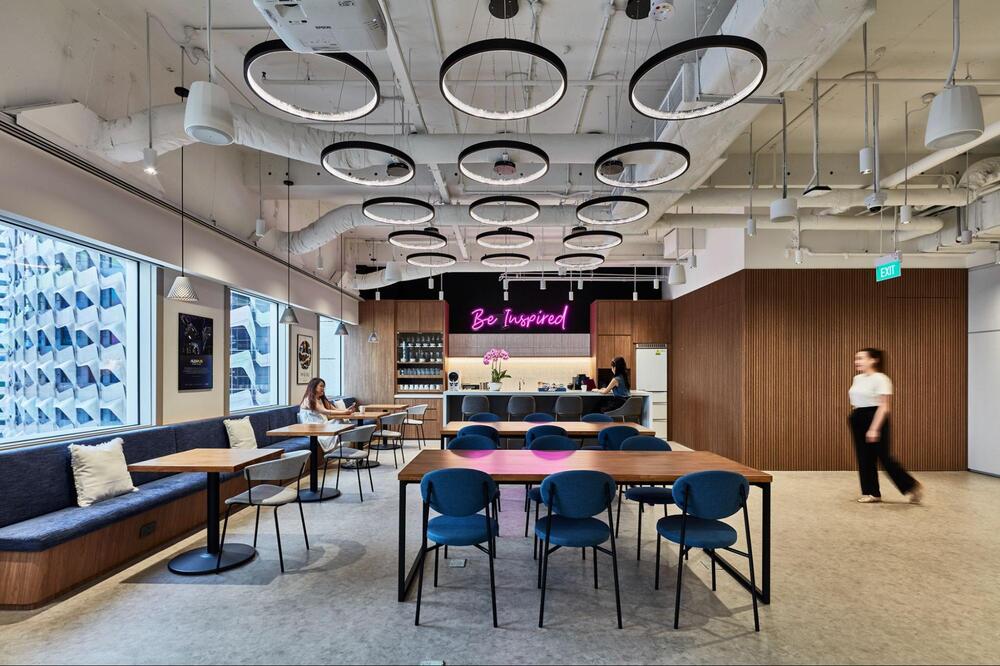
Intuitive layouts help spaces feel easy and comfortable to use
At OSCA Asia, multifunctional spaces begin with an understanding of how people move, work, and connect within a workplace. With experience across Singapore and Southeast Asia, OSCA approaches each project as a complete spatial solution, ensuring layouts remain functional, adaptable, and aligned with long-term business needs.
By combining strategic planning, commercial interior design, and technical expertise, OSCA creates spaces that support daily operations, brand identity, and future growth. Each environment is designed to balance flexibility with comfort, helping organisations transition smoothly between different functions while maintaining clarity and performance over time. To explore tailored multifunctional space solutions, clients can connect with OSCA for professional design and build support.
Connect with OSCA to design multi function room design that grow with your organisation:
- Headquarter: 12, Kallang Avenue, #03-28/27, Aperia (The Annex), 339511
- Hotline: +65 6336 1800
- Email: sg@osca.asia
Well-designed multifunctional spaces make everyday environments more practical and adaptable. They help spaces respond naturally to changing needs without feeling forced or over-planned. With a thoughtful design approach, OSCA creates multifunctional spaces that balance flexibility, comfort, and long-term use.