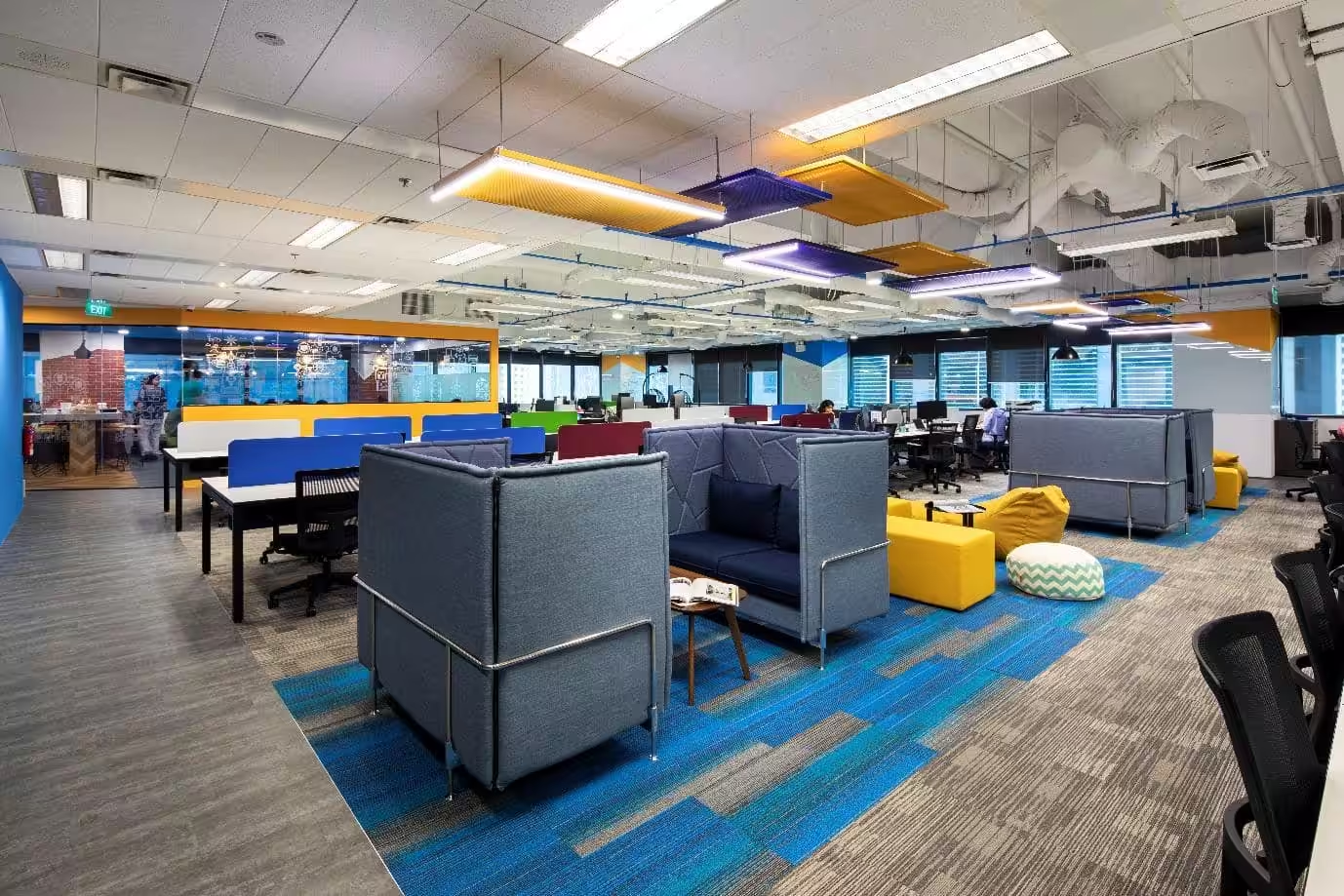
As work models continue to evolve, organizations can no longer rely on traditional office layouts that fail to meet changing workforce needs. Learning how to optimize workspace effectively can help companies create environments that encourage collaboration, improve efficiency, and enhance employee satisfaction. In this guide, OSCA Asia explores the key benefits of workspace optimization, practical strategies for creating a more productive workplace, and how OSCA helps businesses design high-performing office environments.
1. Key benefits of an optimized workspace
Improved employee productivity
A well-designed workplace directly influences employee performance. When workspaces are thoughtfully organized, employees can focus on their tasks with fewer distractions and greater efficiency.
Optimized workspaces improve workflow by ensuring that employees have easy access to the resources, tools, and technology they need. Clear circulation paths and functional layouts also reduce unnecessary movement and interruptions, helping teams work more effectively throughout the day.
Enhanced collaboration
Collaboration is a critical driver of innovation and business success. An optimized workspace strategically incorporates collaborative zones where employees can easily connect, exchange ideas, and solve problems together.
Informal meeting areas, breakout spaces, and open collaboration zones encourage spontaneous interactions that often lead to creative solutions and stronger team relationships.
Better employee well-being
Employee well-being has become a top priority for modern organizations. Workspace optimization focuses on creating healthier environments through ergonomic furniture, access to natural light, improved air quality, and wellness-focused amenities.
When employees feel physically comfortable and mentally supported, they are more engaged, productive, and satisfied with their work experience.
Greater space efficiency
Many businesses struggle with underutilized areas or inefficient office layouts. Workspace optimization helps organizations maximize every square foot by aligning space allocation with actual business needs.
By reducing wasted space and improving utilization, companies can lower operational costs while creating more functional work environments.
Stronger brand identity
An office should be more than a place to work—it should reflect a company’s values, culture, and brand identity. Optimized workspaces create memorable experiences for employees, clients, and visitors while reinforcing organizational culture through thoughtful design elements.
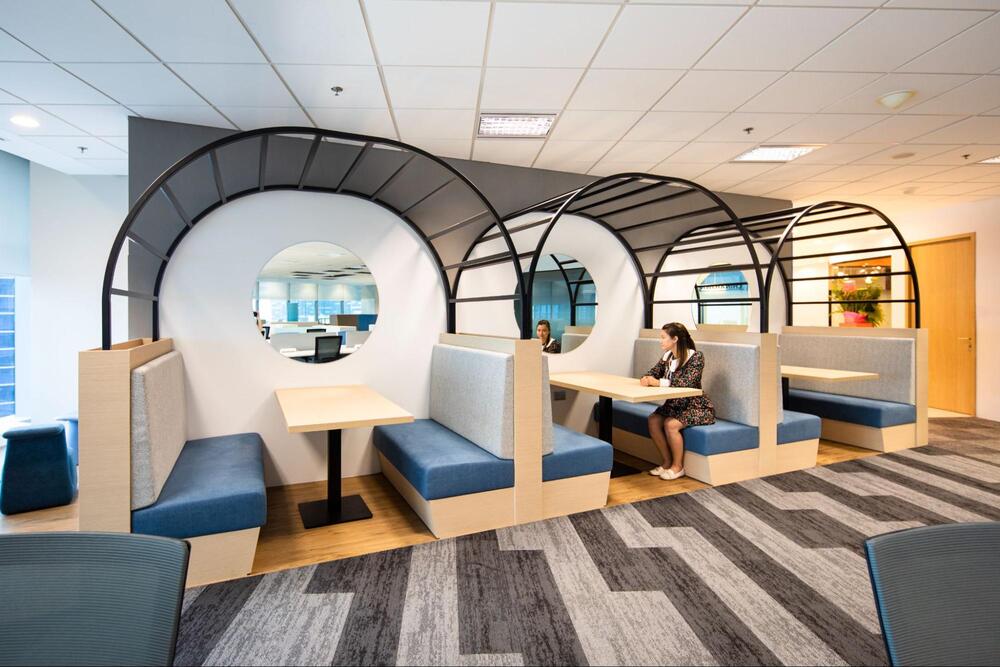
Branded workplace design reflecting company culture and values
2. How to optimize workspace: 12 Effective strategies
2.1 Conduct a workplace utilization assessment
Before implementing any workplace improvements, organizations need a clear understanding of how their existing office space is being used. A workplace utilization assessment provides valuable insights into occupancy patterns, employee behaviors, and space performance.
This process involves analyzing which areas are frequently used, which spaces remain underutilized, and where bottlenecks occur during daily operations. Businesses can gather data through occupancy sensors, workplace analytics tools, employee surveys, and direct observation.
For example, many companies discover that large meeting rooms are rarely filled to capacity while smaller collaboration areas are constantly occupied. Identifying these inefficiencies allows organizations to make informed decisions about reallocating space and improving overall workplace functionality.
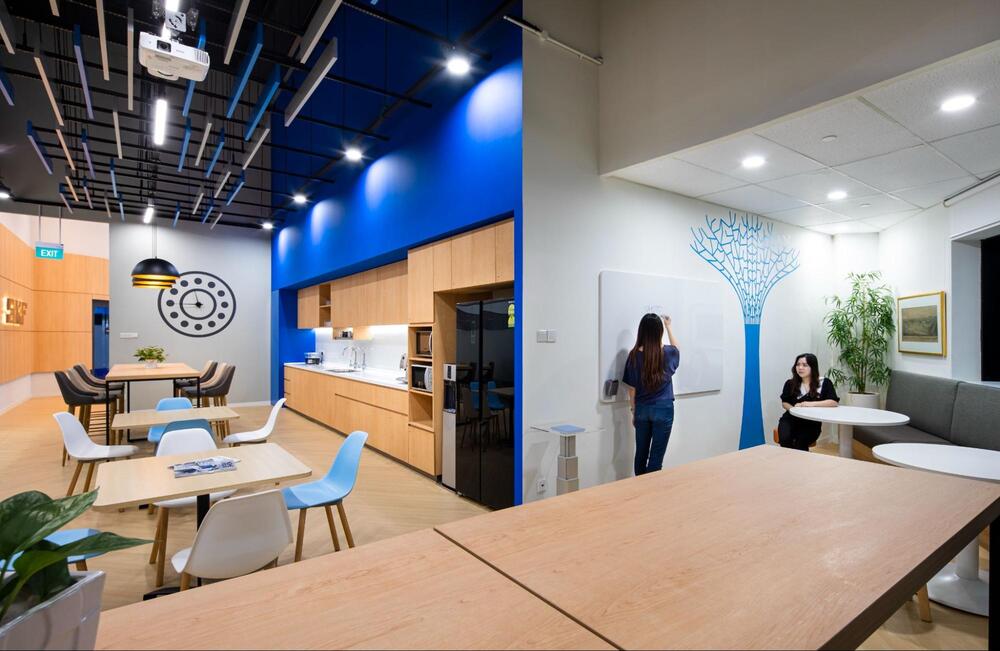
Workplace analytics used to evaluate office space utilization
2.2 Redesign layout based on employee needs
An effective office layout should support the way employees actually work rather than forcing them into a one-size-fits-all environment. Different teams have different requirements, and workplace design should reflect these varying work styles.
Organizations should evaluate how employees divide their time between focused work, collaboration, meetings, and social interaction. Activity-based working (ABW) principles can help create a more adaptable workplace by offering a variety of settings for different tasks.
For hybrid organizations, layout planning should also account for fluctuating occupancy levels. Instead of assigning fixed desks to every employee, businesses can create more flexible environments that accommodate both in-office and remote workers.
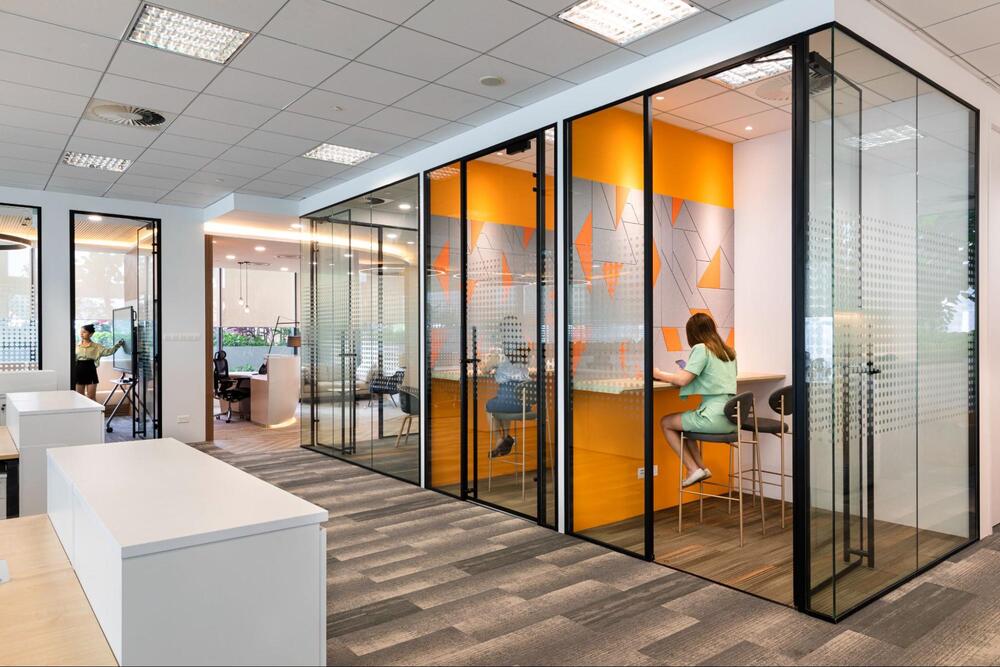
Activity-based workplace layout supporting different work styles
2.3 Create flexible work zones
Today’s employees perform a wide range of tasks throughout the workday, making flexibility a critical component of workspace optimization. Rather than relying solely on rows of traditional desks, organizations should create diverse work environments that support different activities.
Flexible work zones may include:
- Focus areas for deep concentration
- Collaboration spaces for team discussions
- Informal meeting lounges
- Quiet rooms for uninterrupted work
- Creative brainstorming areas
- Social and breakout spaces
Providing employees with access to multiple work settings allows them to choose the environment that best supports their current task. This flexibility can significantly improve productivity while creating a more dynamic and engaging workplace experience.
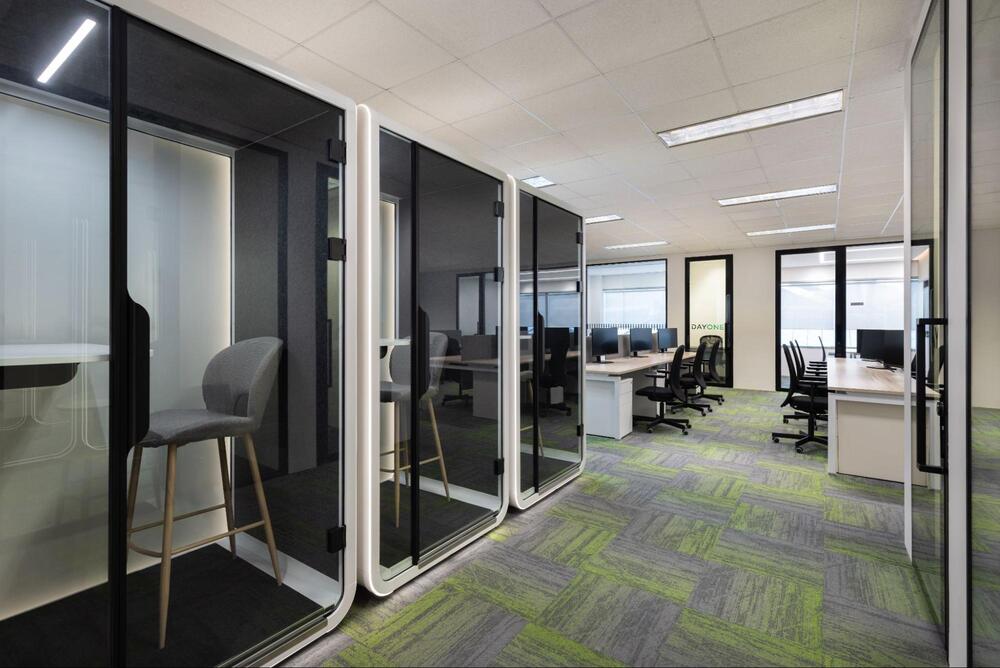
Flexible work zones for focus, collaboration, and informal meetings
2.4. Invest in ergonomic furniture
Ergonomic furniture is a crucial investment for organizations seeking to optimize workspace performance and employee well-being. Poor workstation design can contribute to discomfort, fatigue, and musculoskeletal issues that negatively impact productivity.
Key ergonomic considerations include:
- Height-adjustable desks
- Ergonomic office chairs with proper lumbar support
- Adjustable monitor arms
- Keyboard and mouse positioning
- Footrests and ergonomic accessories
When employees are physically comfortable, they can maintain focus for longer periods and experience fewer health-related disruptions. Investing in ergonomic solutions not only improves employee satisfaction but can also reduce absenteeism and workplace injury risks.
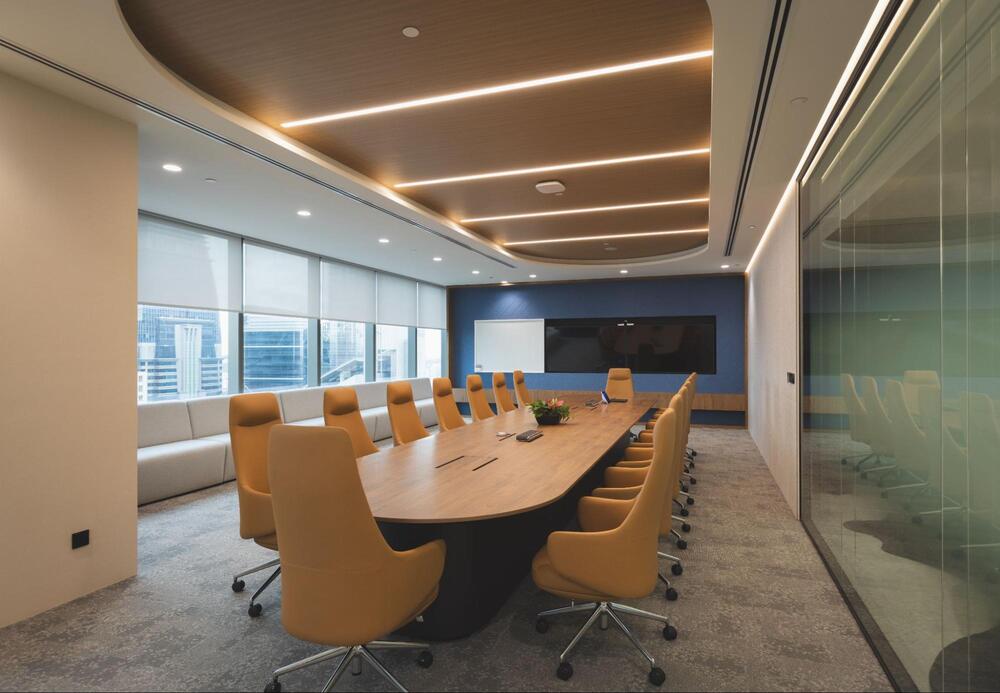
Ergonomic workstations designed to improve employee comfort
2.5 Maximize natural light
Natural light is one of the most influential factors in workplace design. Numerous studies have shown that exposure to daylight can improve mood, increase alertness, reduce eye strain, and support overall well-being.
To maximize natural light within the office, organizations can:
- Position workstations near windows
- Use glass partitions instead of solid walls
- Minimize tall furniture that blocks light
- Incorporate reflective surfaces that distribute daylight
- Design open layouts that allow light to penetrate deeper into the workspace
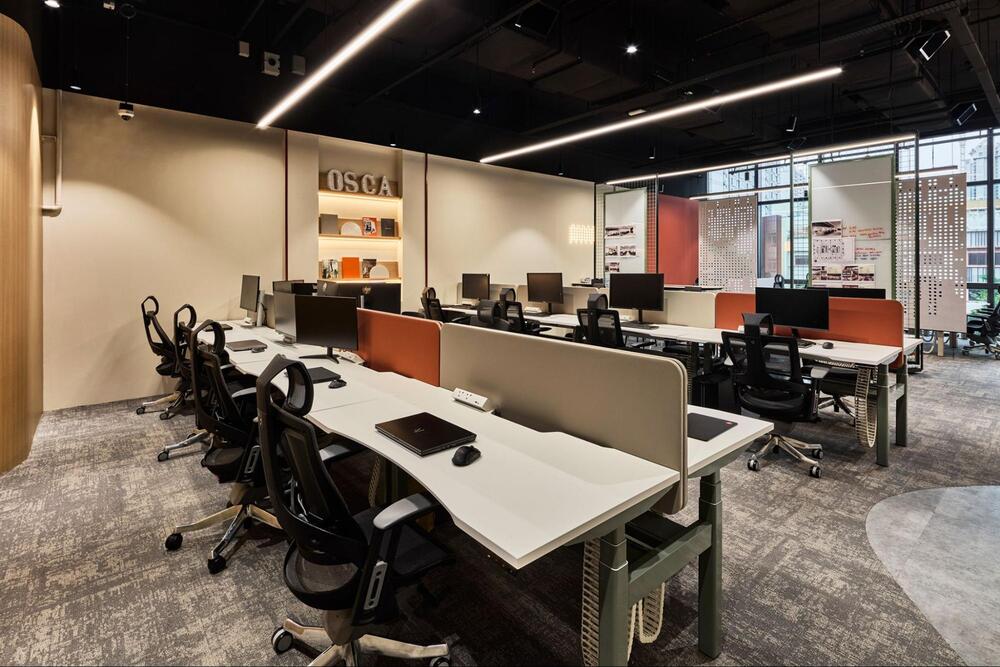
Open office layout maximizing natural daylight penetration
2.6 Incorporate biophilic design
Biophilic design focuses on strengthening the connection between people and nature within the built environment. As employees spend a significant portion of their day indoors, integrating natural elements into the workplace can have a meaningful impact on health and productivity.
Common biophilic design features include:
- Indoor plants and greenery
- Living walls
- Natural wood and stone finishes
- Organic textures and patterns
- Access to outdoor views
- Nature-inspired artwork
These elements help create a more calming and restorative atmosphere. Research suggests that biophilic environments can reduce stress, improve cognitive performance, and enhance employee well-being, making them a valuable component of workspace optimization.
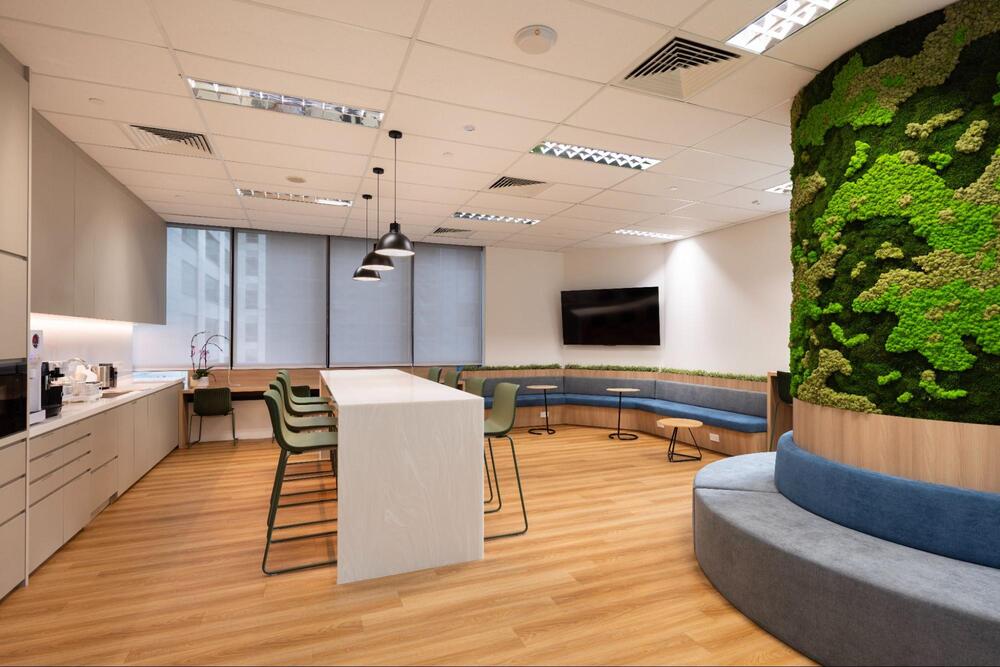
Biophilic office design featuring indoor plants and natural materials
2.7 Improve acoustic comfort
Noise distractions are among the most common workplace complaints, particularly in open-plan offices. Poor acoustic conditions can reduce concentration, increase stress levels, and negatively affect employee performance.
Improving acoustic comfort requires a combination of design strategies, including:
- Acoustic wall and ceiling panels
- Sound-absorbing flooring materials
- Soundproof meeting rooms
- Private phone booths
- Strategic zoning of noisy and quiet areas
By creating environments that support both collaboration and focused work, organizations can improve productivity while enhancing the overall employee experience.
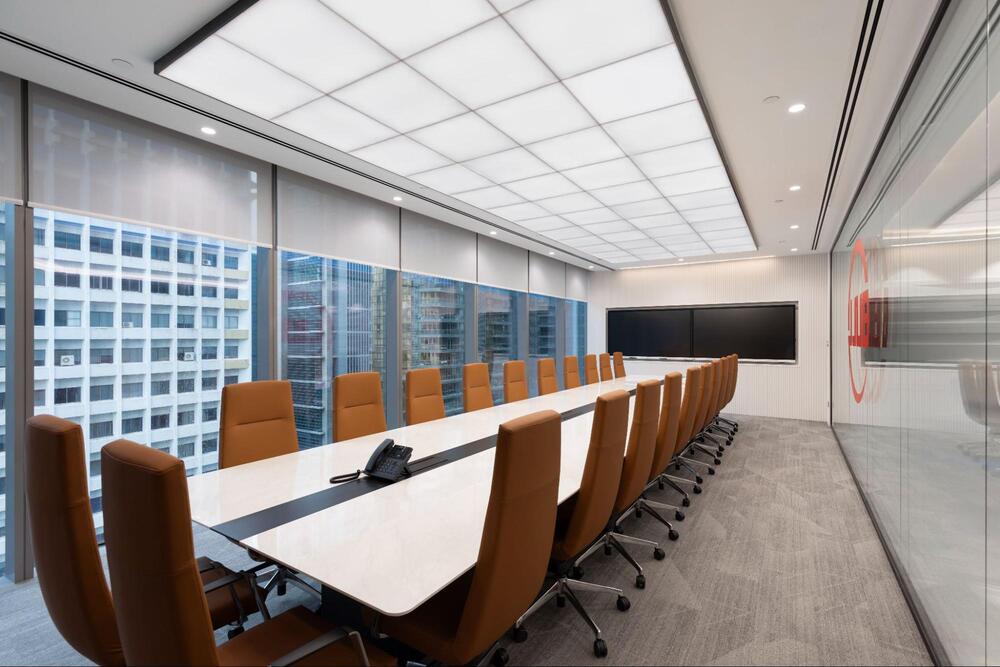
Acoustic office solutions supporting focus and productivity
2.8 Implement smart storage solutions
A cluttered workspace often leads to reduced efficiency and unnecessary distractions. Smart storage solutions help maintain an organized environment while making the most of available office space.
Businesses can optimize storage by implementing:
- Modular storage systems
- Multi-functional furniture with built-in storage
- Personal lockers for hybrid workers
- Centralized filing systems
- Digital document management platforms
Many modern workplaces are also adopting digital-first strategies that significantly reduce paper storage requirements. This approach not only frees up valuable floor space but also supports sustainability initiatives.
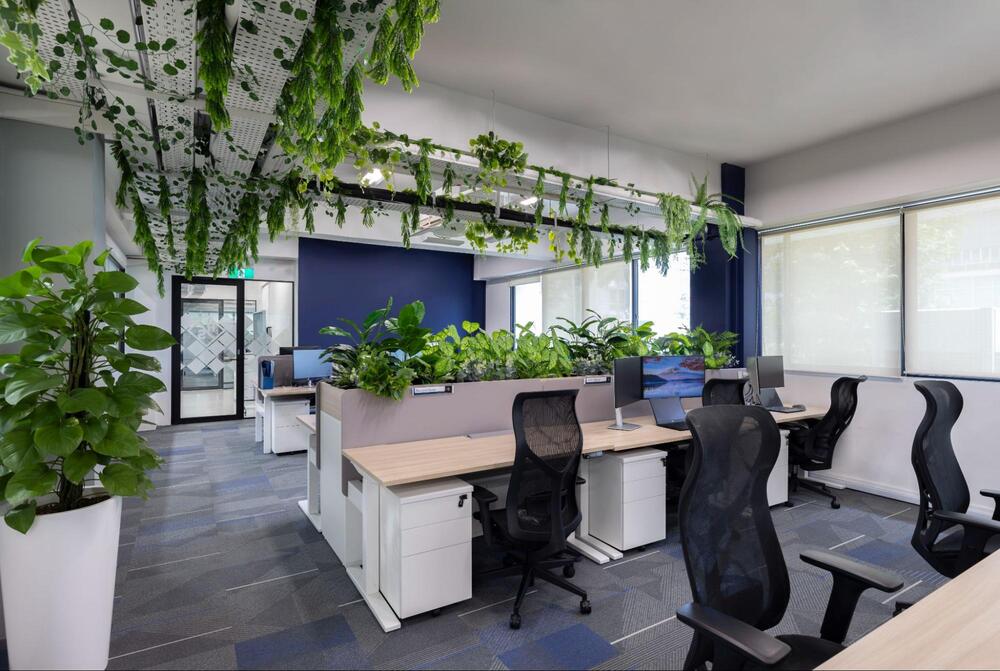
Smart office storage systems reducing clutter and improving efficiency
2.9 Optimize meeting spaces
Meeting rooms represent a significant portion of office real estate, yet they are frequently underutilized or poorly matched to actual workplace needs. Optimizing meeting spaces involves designing rooms that support various meeting formats and team sizes.
Effective strategies include:
- Creating a mix of small, medium, and large meeting rooms
- Incorporating movable partitions for flexibility
- Using modular furniture
- Integrating video conferencing technology
- Providing wireless presentation capabilities
Organizations should regularly evaluate meeting room usage to ensure these spaces continue to align with employee needs and work patterns.
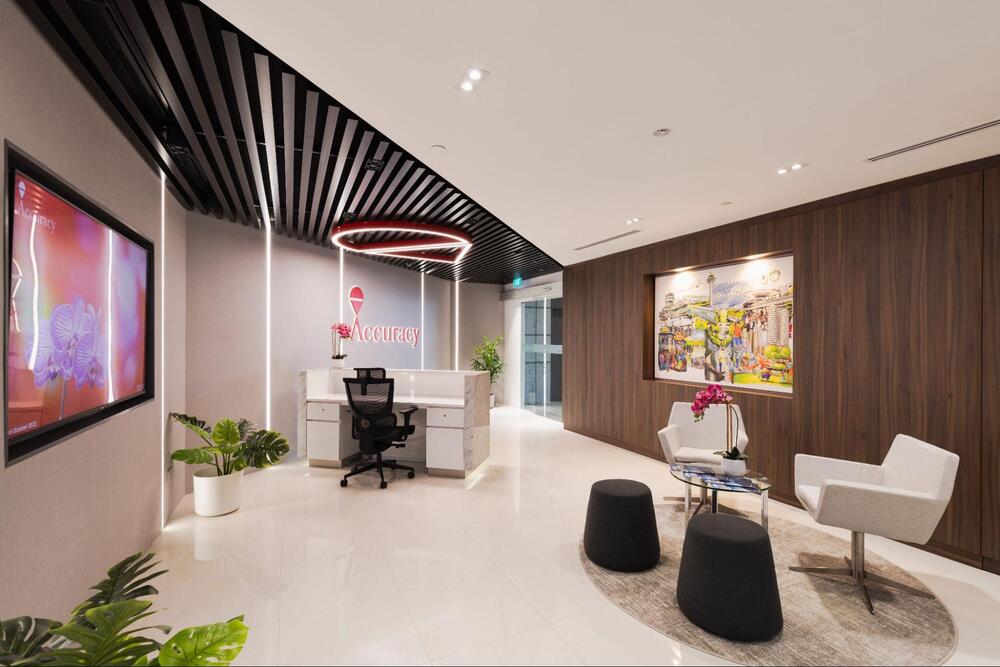
Flexible meeting rooms equipped for hybrid collaboration
2.10 Support hybrid work models
Hybrid work has transformed how organizations use office space. Instead of designing workplaces solely for full-time occupancy, businesses must create environments that accommodate varying attendance levels and flexible work arrangements.
Key hybrid workplace solutions include:
- Hot-desking programs
- Shared workstations
- Desk booking systems
- Flexible seating arrangements
- Technology-enabled collaboration spaces
The goal is to create a workplace that serves as a destination for collaboration, innovation, and culture-building while supporting employees who split their time between home and the office.
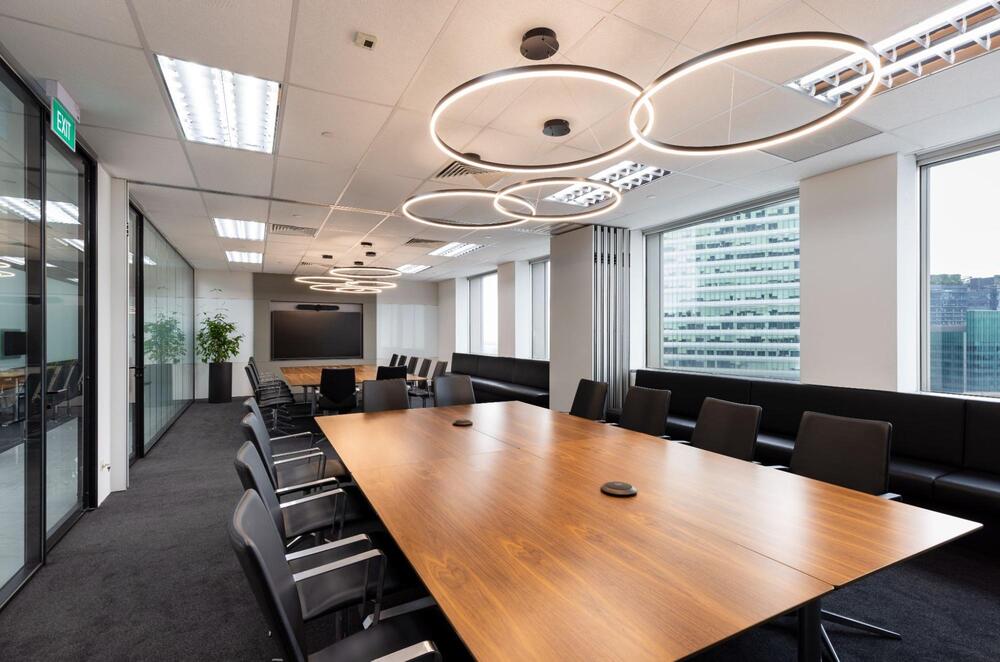
Hybrid workplace design with shared desks and collaboration areas
2.11 Enhance employee wellness
Workplace wellness extends far beyond ergonomic furniture. Organizations that prioritize employee health create environments that support both physical and mental well-being.
Wellness-focused workplace features may include:
- Wellness rooms
- Meditation and relaxation spaces
- Fitness facilities
- Healthy pantry options
- Improved indoor air quality systems
- Access to natural light and greenery
By embedding wellness into workplace design, companies can improve employee engagement, retention, and overall job satisfaction while fostering a healthier organizational culture.
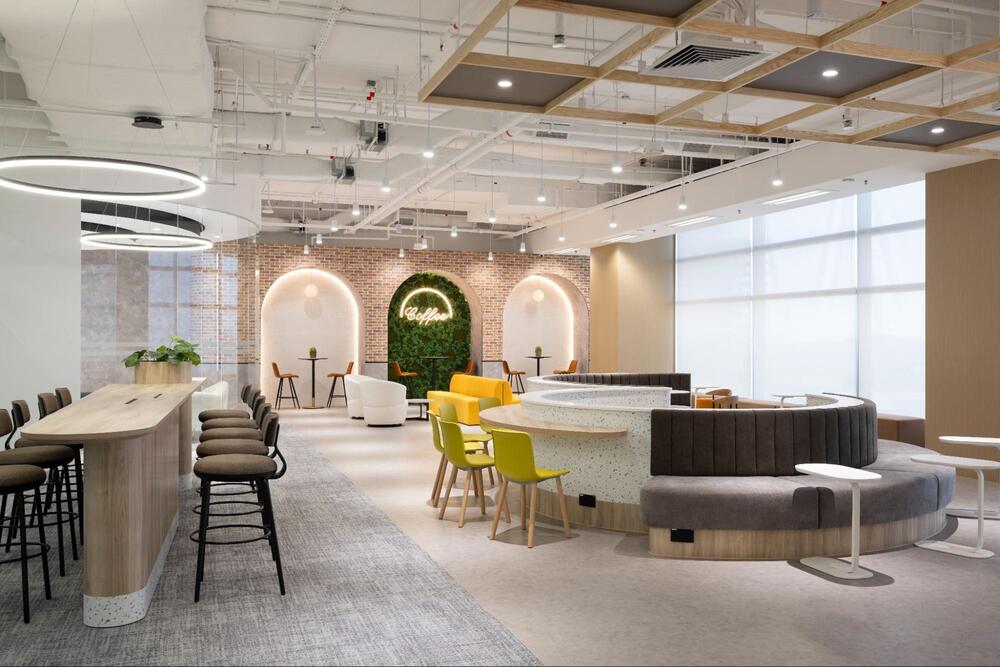
Workplace wellness spaces supporting employee health and well-being
2.12 Use workplace analytics for continuous improvement
Workspace optimization is not a one-time project but an ongoing process. Workplace analytics provide the data necessary to evaluate performance and identify opportunities for improvement over time.
Organizations can use analytics to monitor:
- Space utilization rates
- Occupancy patterns
- Meeting room usage
- Employee preferences
- Workplace satisfaction levels
Combining quantitative data with employee feedback enables businesses to make informed decisions and continuously refine their workplace strategies. This data-driven approach ensures that office environments remain aligned with evolving workforce needs and business objectives.
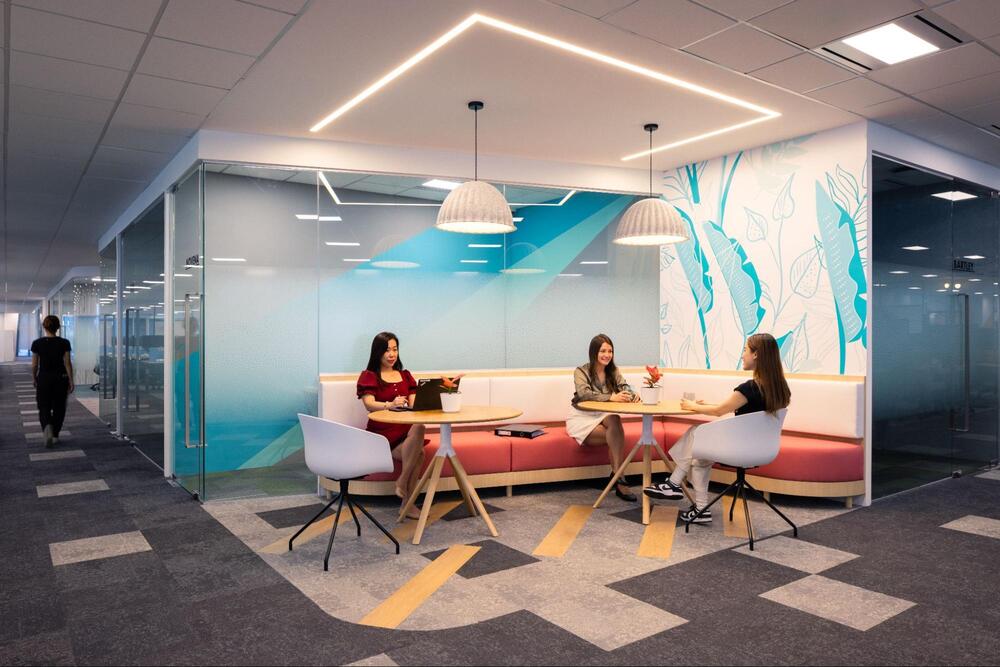
Data-driven workplace analytics supporting workspace optimization
3. How OSCA helps businesses optimize workspace?
Successful workspace optimization requires a strategic approach that balances functionality, employee experience, and business objectives. OSCA helps organizations create high-performing workplaces through comprehensive workplace design and build solutions.
OSCA’s approach includes:
- Workplace strategy and enablement
- Human-centric design methodology
- Flexible and multi-purpose workspace planning
- Natural lighting optimization
- Wellness-focused workplace design
- Branding integration within office environments
- End-to-end design and build services
By aligning workspace design with organizational goals, OSCA helps businesses create environments that improve productivity, support employee well-being, and strengthen company culture.
OSCA has successfully delivered workplace environments that address modern business challenges through innovative design solutions.
Examples include:
- Flexible meeting spaces with movable walls that adapt to changing requirements
- Multi-purpose areas that support both collaboration and company events
- Workspace layouts designed to maximize natural light penetration
- Activity-based work environments that enhance employee experience and productivity
These solutions help organizations optimize their workspace while creating future-ready environments that can evolve alongside business growth.
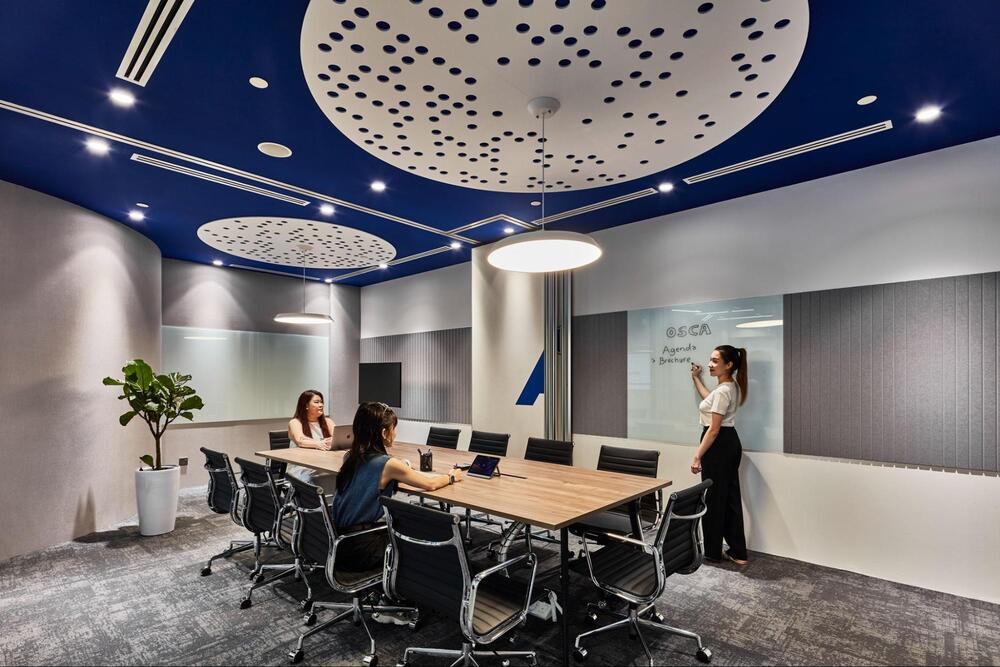
End-to-end workplace design and build solutions by OSCA
Learning how to optimize workspace is essential for organizations seeking to improve productivity, employee satisfaction, and operational efficiency. As workplace expectations continue to evolve, companies that invest in strategic workspace optimization will be better positioned to attract talent, support collaboration, and achieve long-term success. With OSCA‘s expertise in workplace strategy, design, and build services, businesses can create workplaces that are not only efficient but also inspiring places to work.