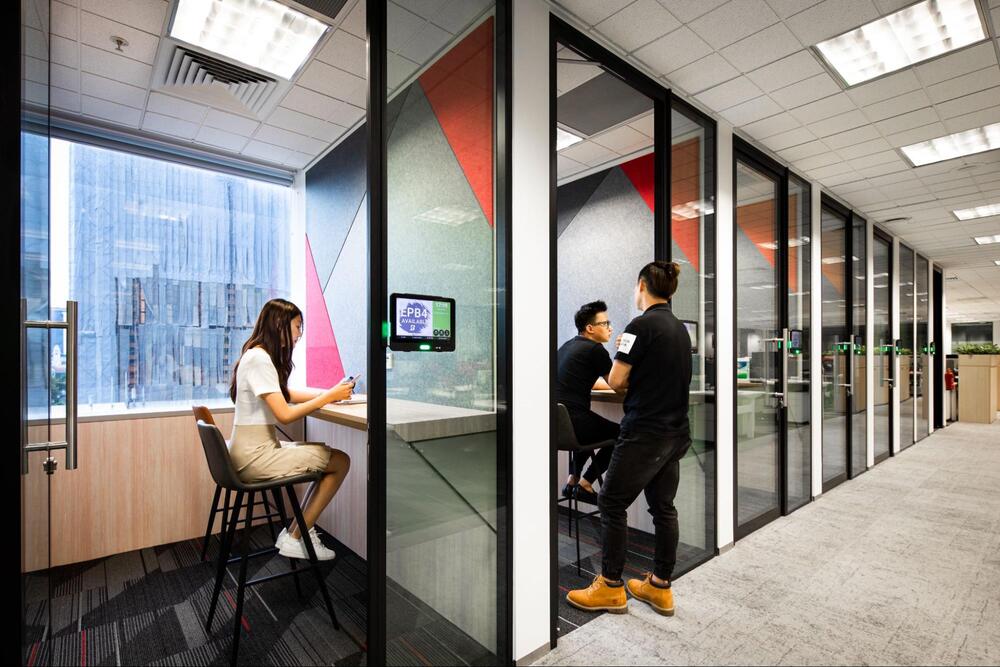
The way an office is designed can directly affect employee focus, well-being, and collaboration. This is why the psychology of space has become an important part of modern workplace design. In this article, OSCA Asia explores how spatial psychology influences workplace experience and the key design elements that shape employee behavior and productivity.
1. What is the psychology of space?
The environments people work in can directly influence mood, behavior, focus, and well-being. The psychology of space explores how workplace design shapes human experience and employee performance. Spatial psychology studies how people cognitively and emotionally respond to physical spaces. In the context of the psychology of space in interior design, every element, from furniture arrangement to lighting and colors, can shape human experience.
A well-designed office can improve comfort and efficiency, while poor spatial design may increase stress and distraction.
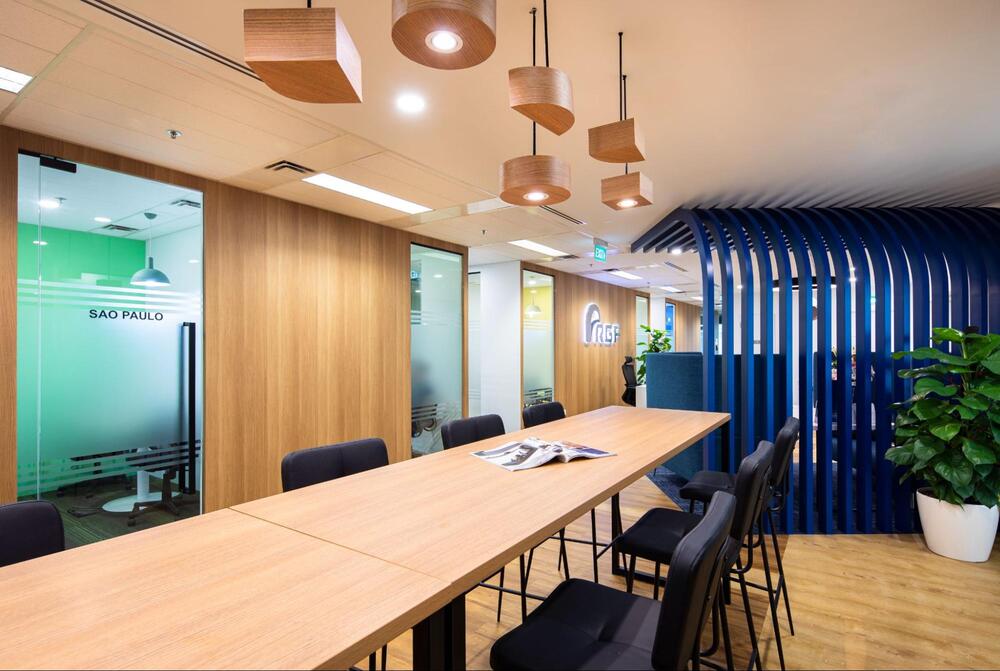
Understanding the psychology of space in offices
Why do humans react differently to different environments?
People respond differently to spaces because of factors such as sensory processing, spatial perception, and emotional associations.
Noise, lighting, layout, and overcrowding can either support or reduce concentration. This is why understanding how space affects team productivity is important in workplace strategy.
Visual elements also influence emotional response. Concepts like color psychology in rooms and color psychology room design show how colors can affect mood, creativity, calmness, and focus.
The origins of environmental psychology
Environmental psychology developed as researchers began studying the connection between human behavior and built environments. Over time, these insights influenced architecture, interior design, and workplace planning.
Today, mental space psychology is widely applied in modern office design to create healthier, more human-centric work environments.
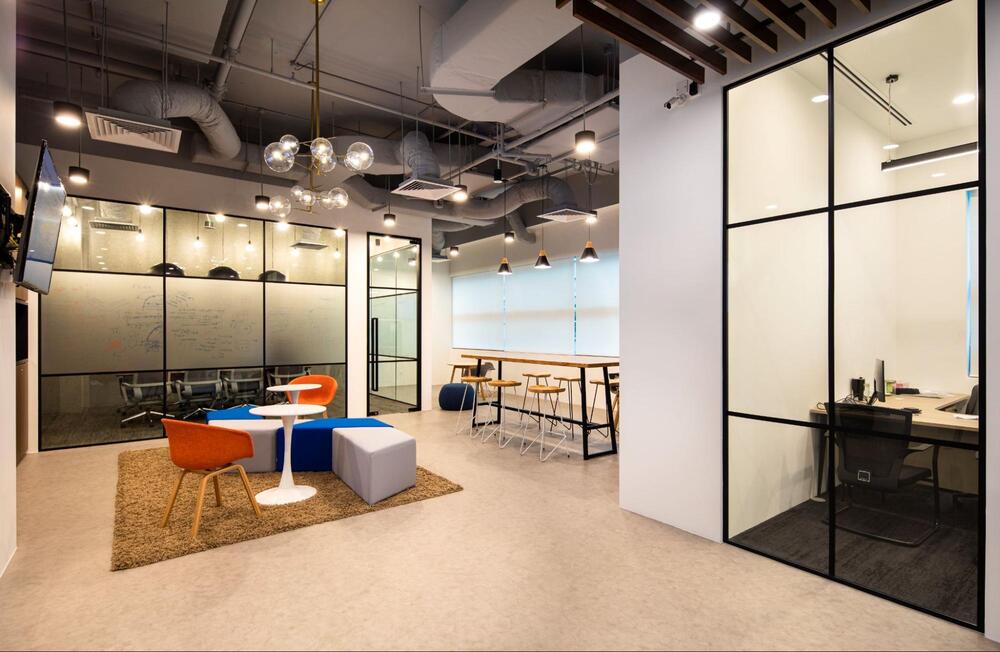
How physical environments shape human behavior
2. Why does the psychology of space matter in the workplace?
The modern workplace is more than just a functional environment, it directly shapes how employees think, feel, and perform. The principles of office space psychology influence productivity, well-being, collaboration, and overall workplace experience.
2.1 Space influences employee productivity
The workplace environment directly affects how employees focus, process information, and complete tasks. A well-designed office can improve efficiency while reducing unnecessary distractions.
- Reduces distractions and improves focus
- Helps lower cognitive overload
- Improves workflow and workspace efficiency
- Supports better collaboration and communication
- Demonstrates how space affects team productivity through spatial planning
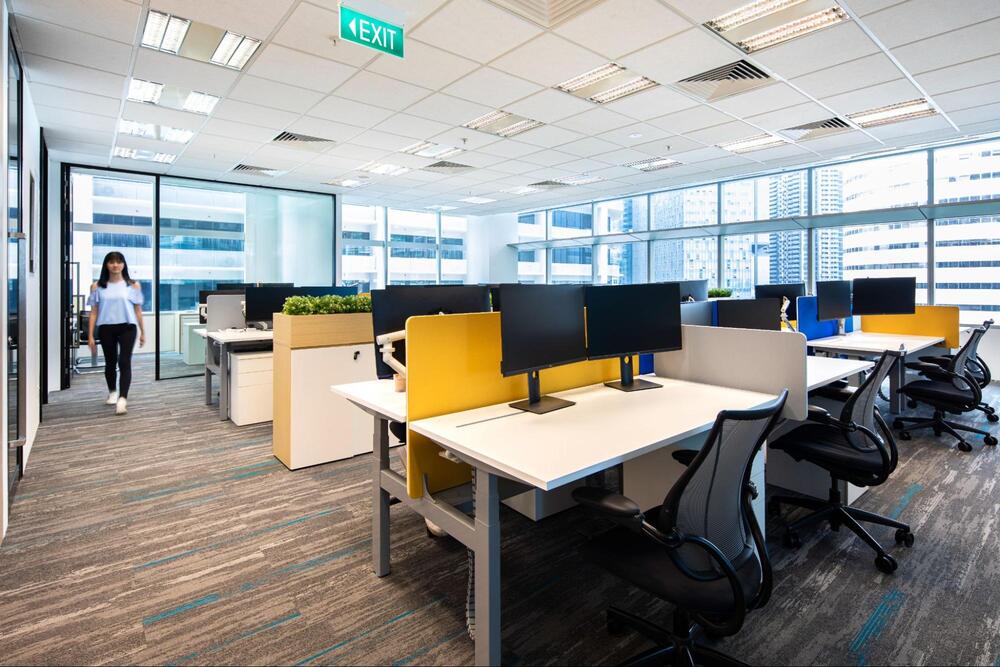
How space affects team productivity
2.2 Office environments affect mental well-being
Workplace design also plays an important role in emotional comfort and mental wellness. Factors such as lighting, acoustics, and layout can influence stress levels and daily work experience.
- Natural lighting can reduce stress and fatigue
- Comfortable layouts improve psychological comfort
- Quiet zones support concentration and mental recovery
- Wellness-focused environments help prevent burnout
- A key concept in modern office space psychology
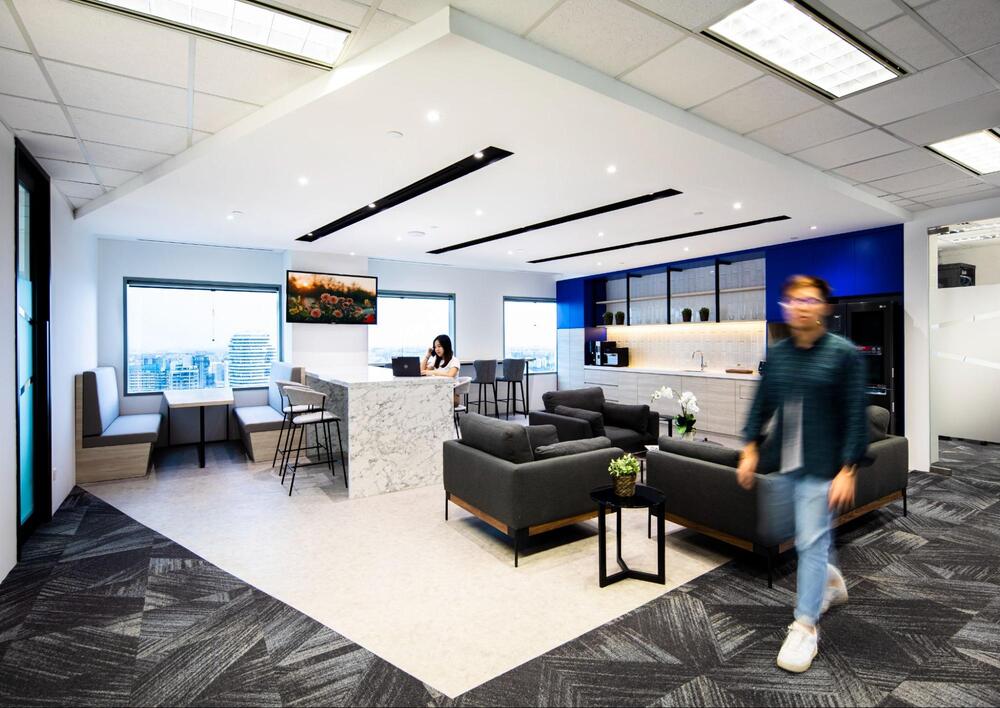
Workplace design and employee well-being
2.3 Workplace design shapes company culture
Office spaces influence how employees interact, collaborate, and connect with company values. Spatial design can help create a stronger sense of community and belonging.
- Open layouts encourage collaboration and transparency
- Flexible spaces support inclusivity and adaptability
- Shared environments strengthen team connection
- Spatial planning reflects company identity and culture
- The psychology of space in interior design helps reinforce workplace values
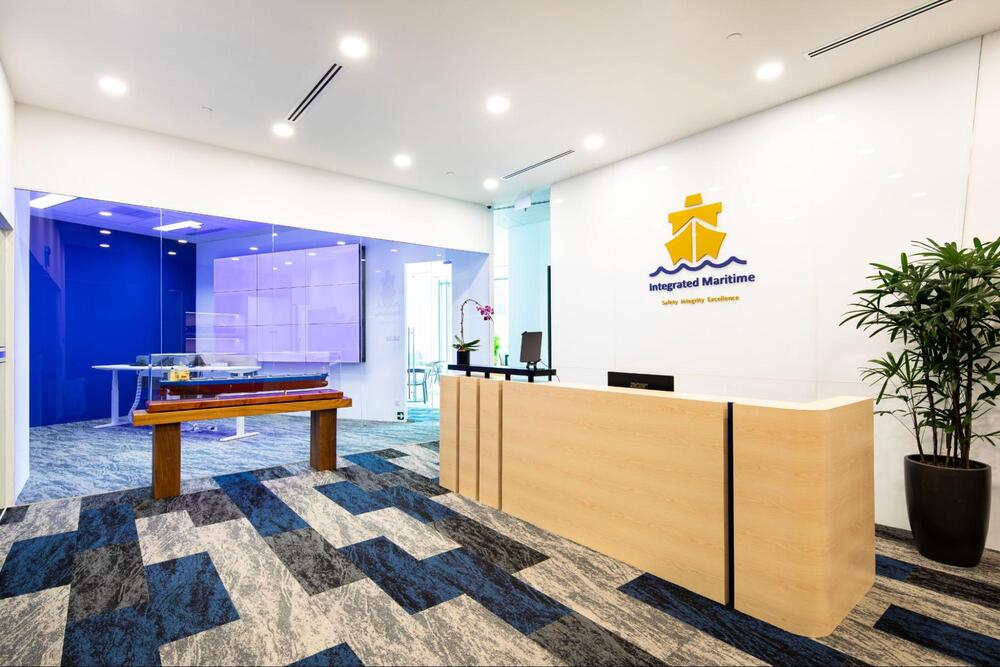
The impact of office design on company culture
2.4 Spatial design impacts employee retention
Today’s employees value workplace experience as much as functionality. A thoughtful office environment can improve satisfaction and support long-term retention.
- Better workplace experiences increase employee satisfaction
- Comfortable environments improve employee engagement
- Human-centric offices create competitive advantages
- Flexible spaces help attract and retain talent
- Workplace design supports employer branding and retention
Employee retention through better workplace design
3. Key elements of the psychology of space in office design
In modern office space psychology, design elements such as lighting, color, acoustics, and spatial layout can shape employee behavior, emotional comfort, and productivity. Understanding the psychology of space in interior design helps companies create environments that better support focus, collaboration, and overall workplace well-being.
3.1 Lighting and human mood
Lighting has a major influence on mood, energy levels, and concentration in the workplace. Natural light is especially important in supporting healthier and more productive environments.
- Natural light helps regulate circadian rhythm
- Bright environments can improve energy and focus
- Dark spaces may contribute to fatigue and reduced concentration
- Daylight optimization supports employee well-being
- A key factor in the psychology of space
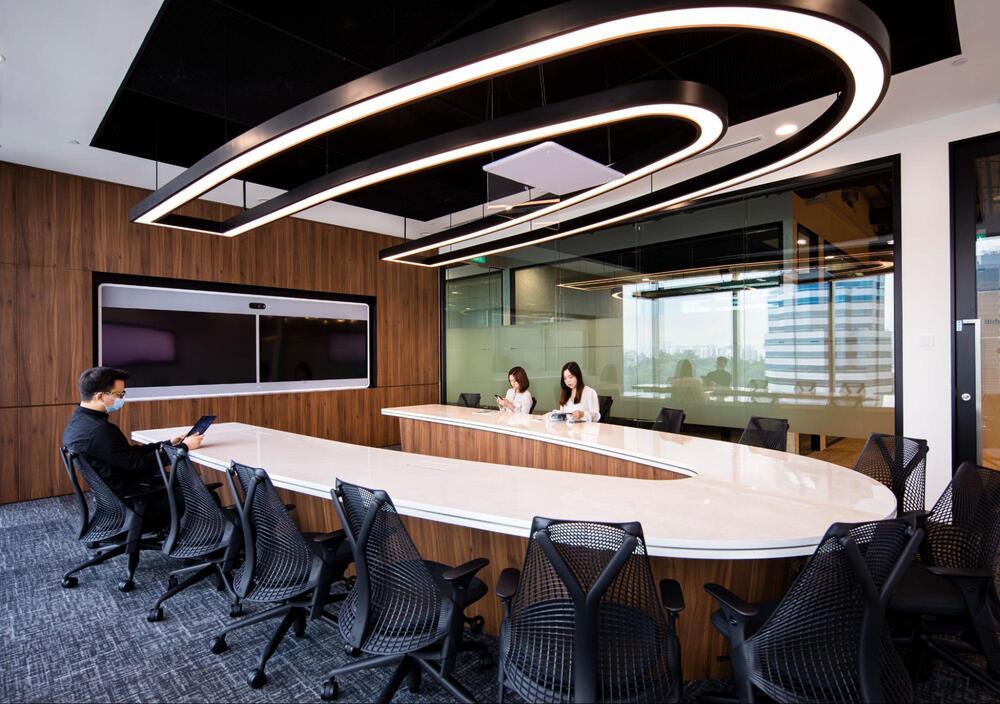
Natural lighting and workplace productivity
3.2 Color psychology in workplaces
Colors can shape emotional responses and influence workplace behavior. Applying color psychology in rooms helps create environments that support different work activities and moods.
- Blue is often associated with focus and productivity
- Green can promote calmness and balance
- Yellow may encourage creativity and optimism
- Neutral palettes help create visual comfort and flexibility
- Color psychology room design supports both function and atmosphere
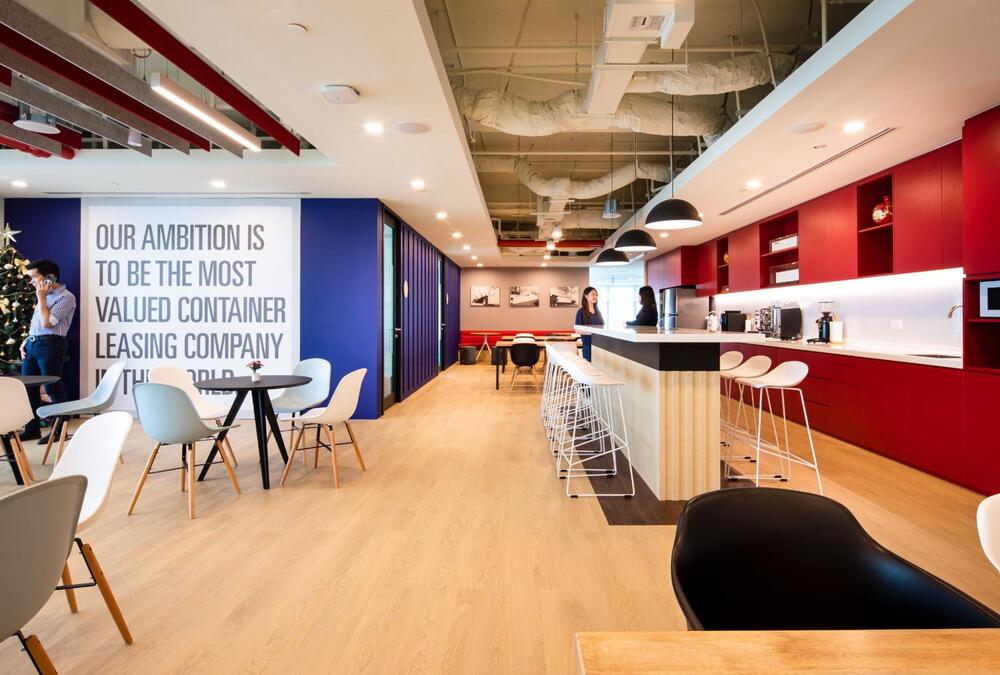
Color psychology room design for modern offices
3.3 Acoustic comfort and concentration
Noise levels significantly affect concentration and mental comfort, especially in open office environments. Acoustic planning helps reduce distractions and improve workplace focus.
- Excessive noise can lead to cognitive fatigue
- Soundproof meeting rooms improve communication quality
- Phone booths support private conversations
- Quiet zones encourage deep work and concentration
- Important in modern office space psychology strategies
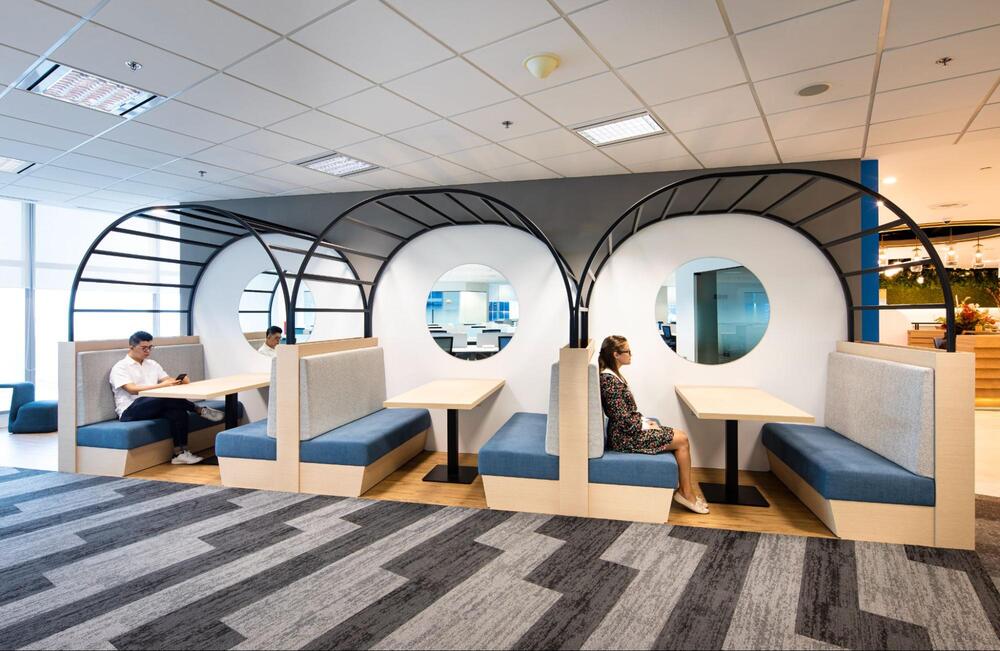
Acoustic design for better workplace concentration
3.4 Spatial layout and movement
Office layout influences how employees move, interact, and collaborate throughout the day. Effective spatial planning balances communication with privacy and focus.
- Open-plan layouts encourage collaboration
- Segmented spaces support focused individual work
- Efficient traffic flow improves workplace functionality
- Flexible layouts adapt to changing work styles
- Demonstrates how spatial design affects employee experience
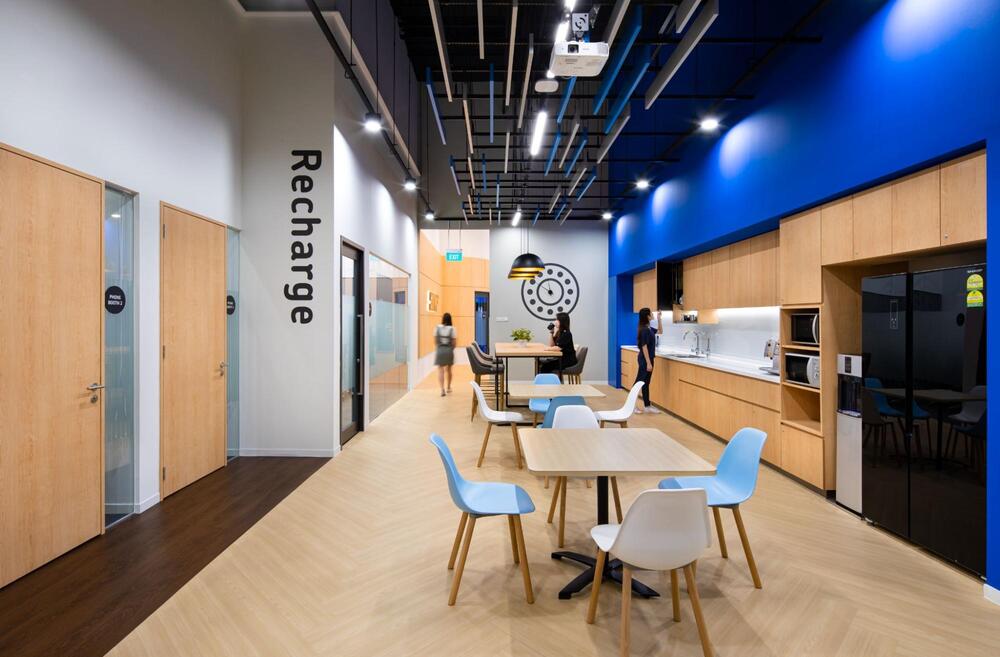
Spatial flow and employee interaction
3.5 Ceiling height and perception
Ceiling height can subtly influence thinking patterns and psychological perception within a workspace.
- High ceilings may support creative thinking and openness
- Lower ceilings can encourage concentration and detail-oriented work
- Spatial proportions affect how people emotionally perceive environments
- An important concept in mental space psychology
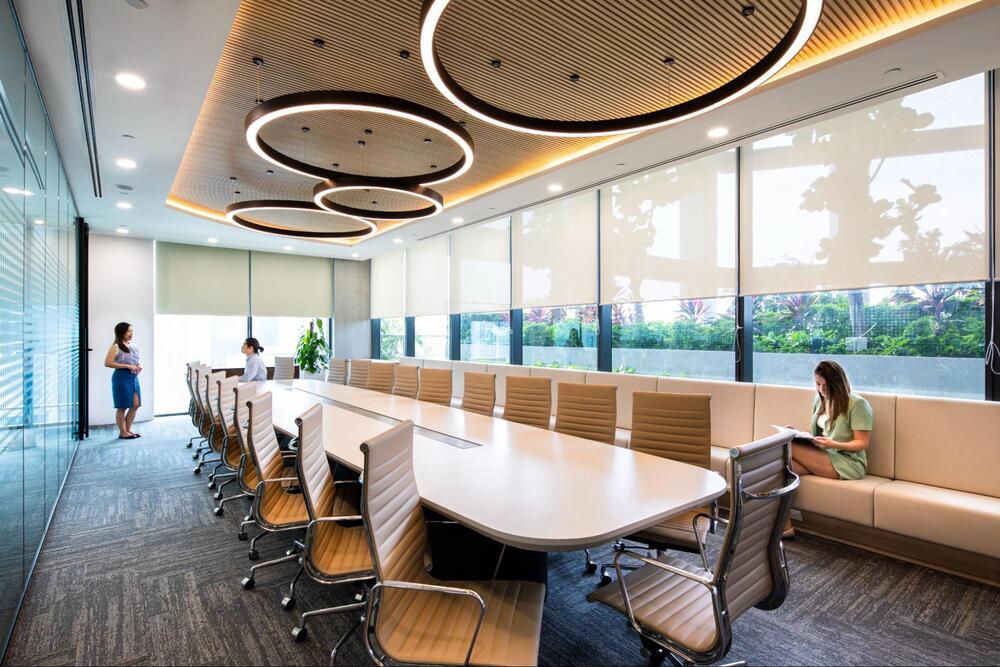
Ceiling height and spatial perception in offices
3.6 Biophilic design and connection to nature
Biophilic design integrates natural elements into the workplace to improve comfort and psychological well-being. This approach is increasingly used in the psychology of space in interior design.
- Indoor plants help create calming environments
- Natural materials add warmth and comfort
- Organic textures improve sensory experience
- Nature-inspired spaces support psychological restoration
- Enhances employee wellness and workplace satisfaction
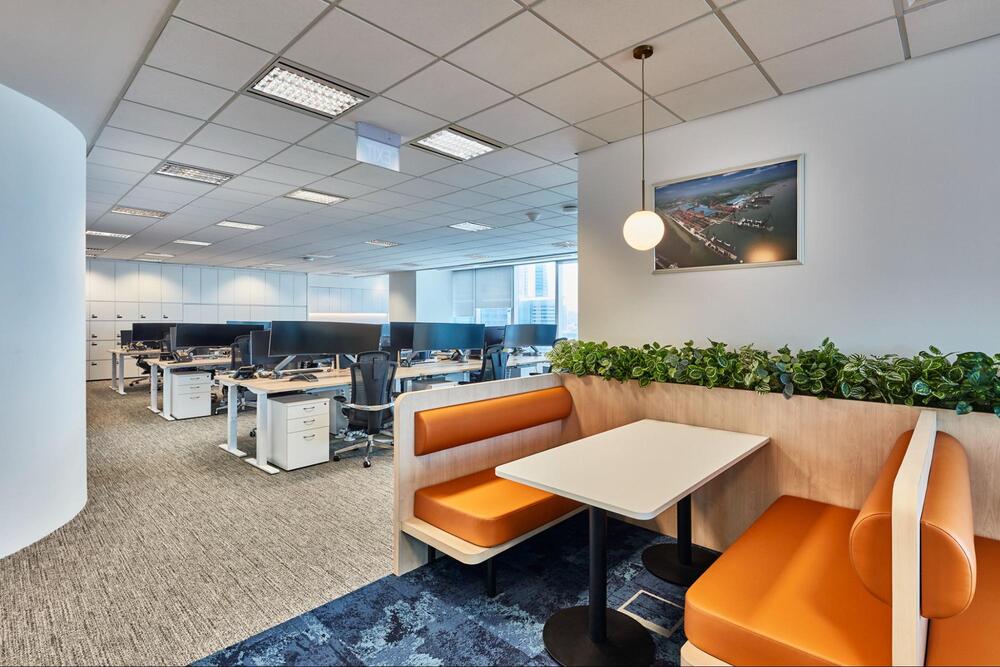
Biophilic office design and employee wellness
4. How different office spaces influence human behavior
Different workplace environments encourage different behaviors, emotions, and work patterns. In modern office space psychology, each type of space is designed to support specific activities such as collaboration, deep focus, social interaction, or flexibility.
4.1 Open office spaces
Open office layouts are designed to improve communication and encourage team interaction. However, they can also create challenges related to noise and privacy.
- Encourages collaboration and faster communication
- Supports visibility and team connectivity
- Can improve workplace transparency
- Noise and distractions may reduce concentration
- Limited privacy can increase cognitive fatigue
- A common topic in modern office space psychology
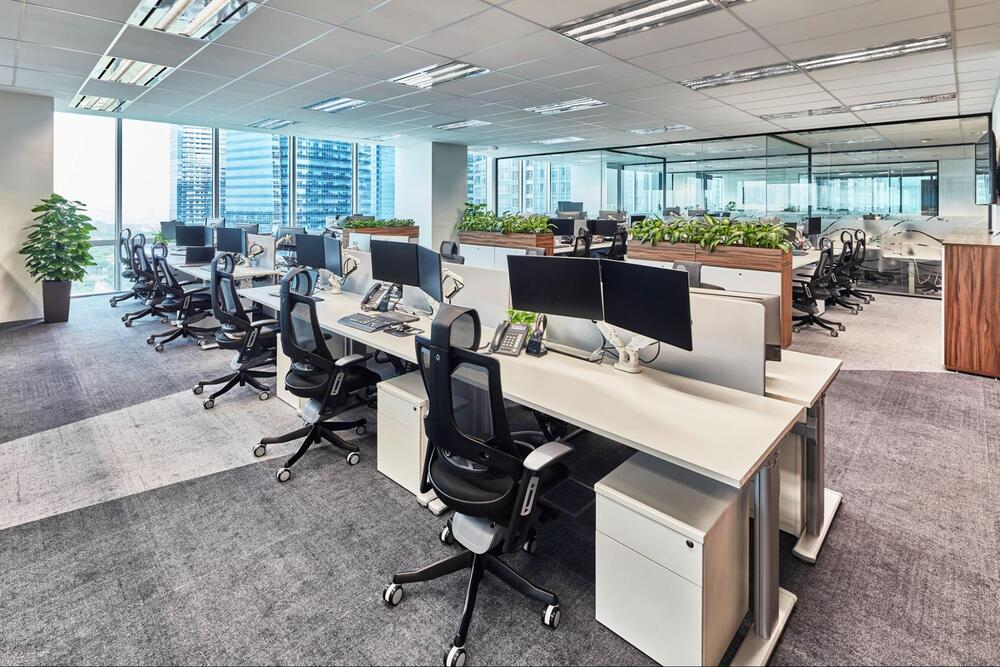
Open office spaces and team collaboration
4.2 Quiet zones and focus rooms
Quiet areas provide employees with spaces for concentration and uninterrupted work. These environments are important for reducing mental overload in busy workplaces.
- Supports deep work and focused tasks
- Reduces distractions and noise exposure
- Helps lower cognitive overload
- Improves concentration and mental clarity
- Balances the challenges of open-plan offices
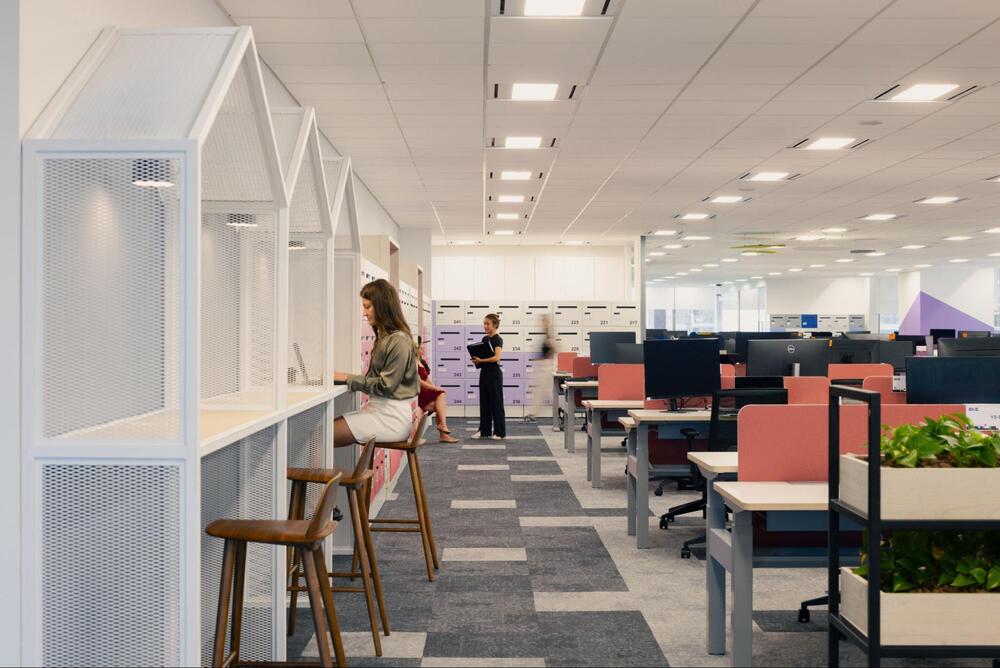
Focus zones for deep work and concentration
4.3 Collaborative spaces
Collaborative environments are designed to encourage teamwork, idea sharing, and spontaneous interaction between employees.
- Supports brainstorming and creative discussions
- Encourages team interaction and knowledge sharing
- Improves informal communication
- Flexible layouts support group activities
- Helps strengthen workplace culture and collaboration
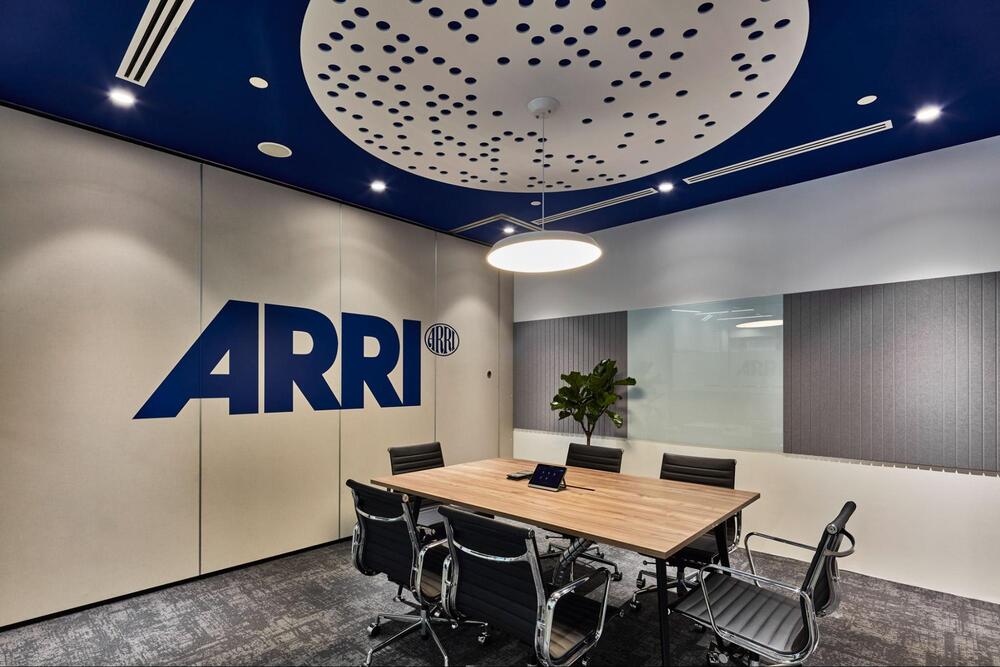
Collaborative spaces in modern workplaces
4.4 Breakout and lounge areas
Breakout spaces give employees opportunities to recharge and interact in more relaxed environments. These areas contribute to emotional comfort and workplace well-being.
- Supports recovery and mental reset during the workday
- Encourages casual social interaction
- Creates a more comfortable workplace atmosphere
- Helps reduce stress and mental fatigue
- An important element in the psychology of space in interior design
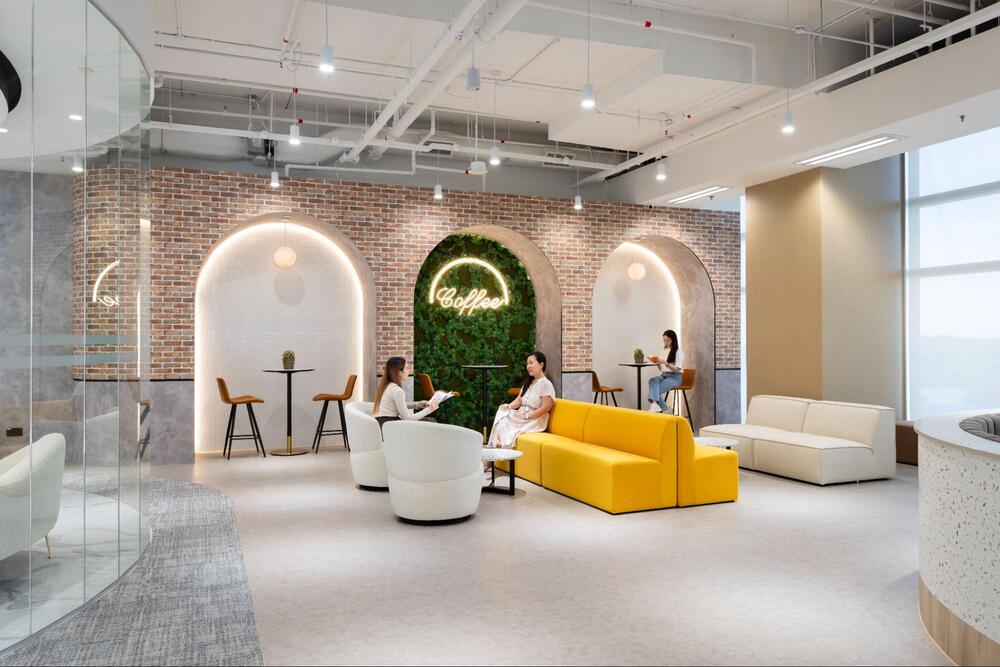
Breakout areas and workplace well-being
4.5 Hybrid and flexible workspaces
Flexible workplaces are designed to support changing work styles and employee needs. These environments allow individuals to choose spaces that best fit their tasks and preferences.
- Supports activity-based working
- Increases employee autonomy and flexibility
- Adaptable layouts improve workplace efficiency
- Helps accommodate hybrid work models
- Demonstrates how spatial flexibility improves employee experience and productivity
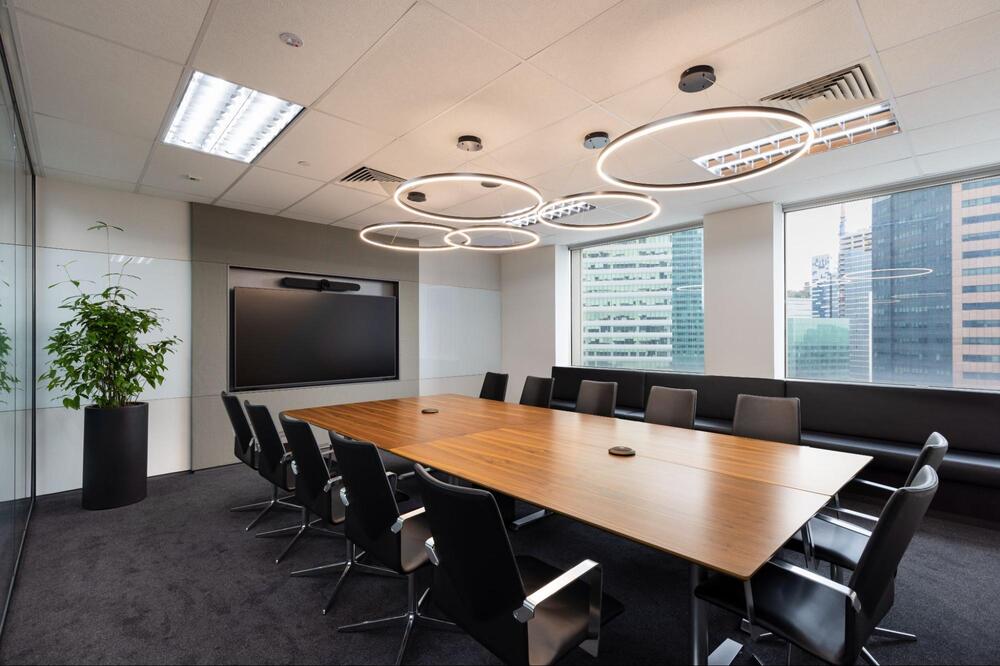
Hybrid workspaces and flexible office design
5. How OSCA Asia applies the psychology of space in workplace design
Modern workplace design requires more than visual appeal, it must also support employee well-being, productivity, and company culture. By applying the principles of psychology of space and human-centered design, OSCA Asia creates office environments that improve both workplace experience and business performance.
Human-centric office strategies
OSCA Asia focuses on workplace strategies that prioritize employee comfort, functionality, and daily experience.
- Uses human-centric workplace planning approaches
- Designs spaces that support focus and collaboration
- Improves workflow and employee interaction
- Enhances workplace experience through thoughtful spatial planning
- Applies modern office space psychology principles in office design
Biophilic and wellness-driven environments
Wellness-focused environments help create healthier and more comfortable workplaces. Biophilic design elements are integrated to strengthen the connection between people and their surroundings.
- Maximizes natural lighting to improve well-being
- Incorporates ergonomic planning for employee comfort
- Uses wellness-oriented layouts and materials
- Introduces natural textures and calming environments
- Reflects the growing importance of mental space psychology in workplaces
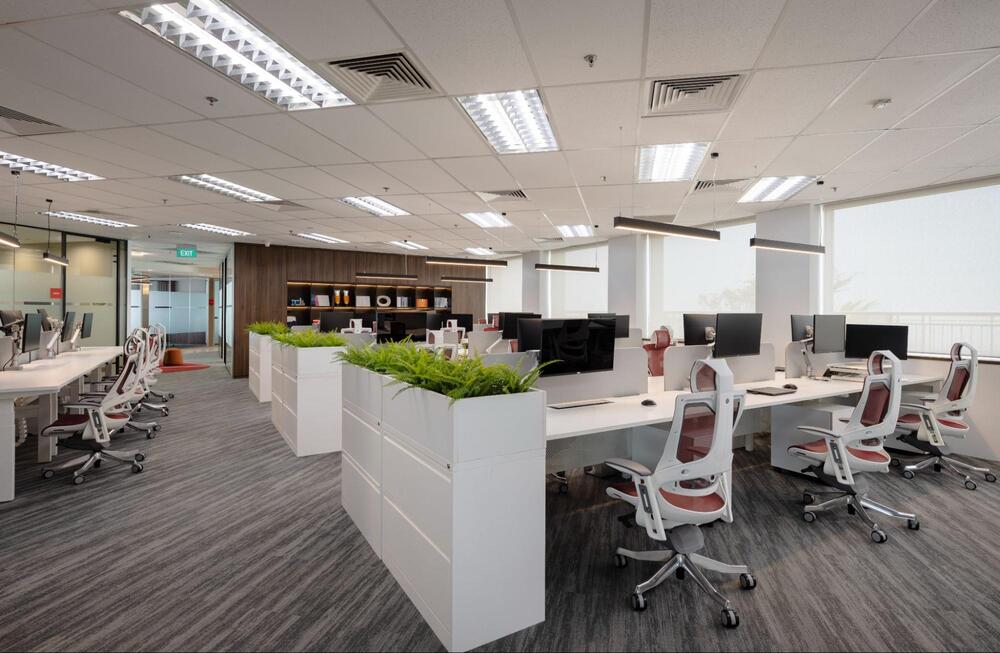
Human-centric workplace design by OSCA Asia
Flexible spaces that support collaboration and focus
Modern offices must accommodate different work styles and changing business needs. Flexible environments help balance teamwork with individual concentration.
- Multi-purpose layouts improve workplace adaptability
- Adaptable meeting rooms support different team activities
- Quiet booths encourage deep focus and private work
- Collaborative zones improve communication and interaction
- Supports productivity through flexible spatial planning
Brand identity through spatial design
Workplace design can also express company identity and culture. Through strategic spatial planning, OSCA Asia creates environments that visually reinforce organizational values and brand personality.
- Gaming-inspired environments encourage creativity and energy
- Hospitality-inspired banking spaces create comfort and trust
- Technology-focused offices deliver futuristic workplace experiences
- Spatial design helps strengthen company culture and employee connection
- Demonstrates the impact of the psychology of space in interior design on brand identity
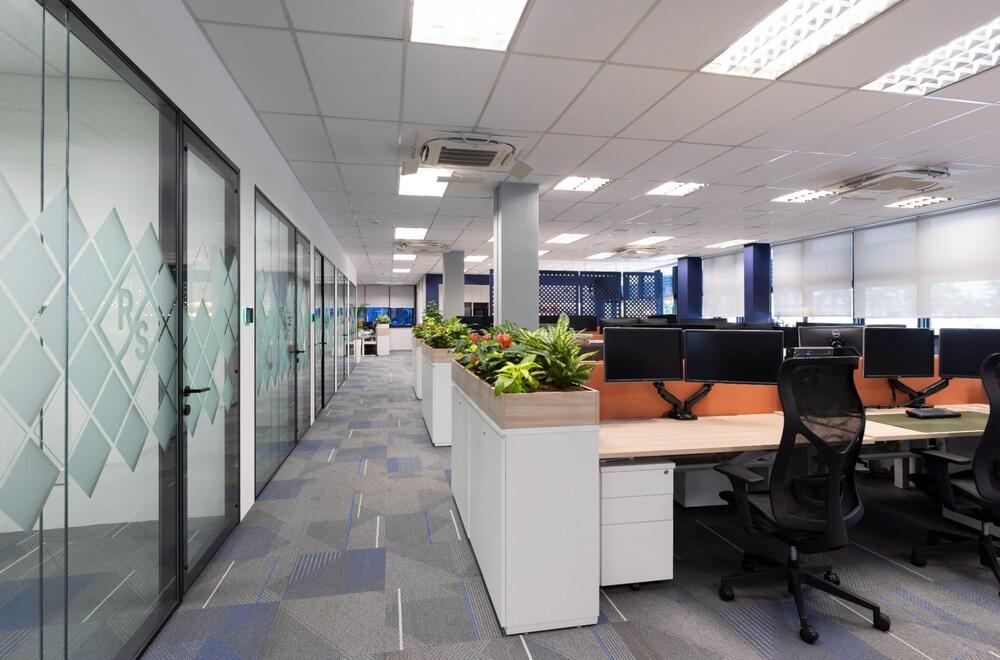
Psychology of space in modern office projects
The psychology of space plays a critical role in shaping healthier, more productive, and more engaging workplaces. By understanding how spatial design affects human behavior and emotions, businesses can create office environments that better support both employees and organizational goals.
As a human-centric workplace design company, OSCA Asia applies modern spatial psychology principles to create offices that balance functionality, wellness, collaboration, and brand identity. Whether designing flexible workspaces, wellness-driven environments, or culture-focused offices, OSCA Asia helps businesses transform workplaces into meaningful experiences for employees and teams.