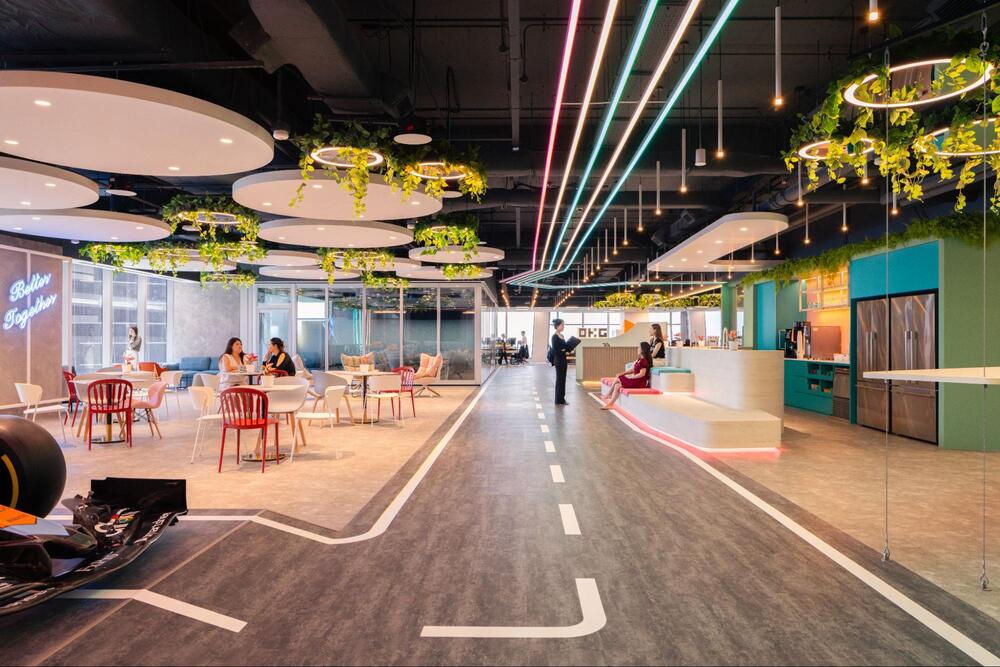
In today’s evolving business environment, workplace design has become more than just creating functional office spaces. Companies are increasingly using interior design as a strategic tool to express brand identity, strengthen company culture, and improve employee experience. This article, OSCA Asia explores how workplace branding through interior design helps organizations create meaningful, culture-driven environments that support both business performance and employee engagement.
1. What is workplace branding through interior design?
Workplace branding through interior design refers to the strategic use of workplace design to reflect a company’s identity, values, and culture within a physical office environment. Beyond aesthetics, a branded workplace helps create consistent experiences for employees, clients, and visitors.
The connection between brand identity and physical space is important because office environments directly influence how people perceive a company. Elements such as layout, furniture, lighting, colors, and environmental graphics all contribute to workplace experience and brand perception.
A well-designed workplace can help improve:
- Employee engagement and sense of belonging
- Customer trust and professional image
- Company culture and collaboration
- Recruitment and employee retention
By aligning interior design with business values, companies can create workplaces that strengthen both brand identity and employee experience.
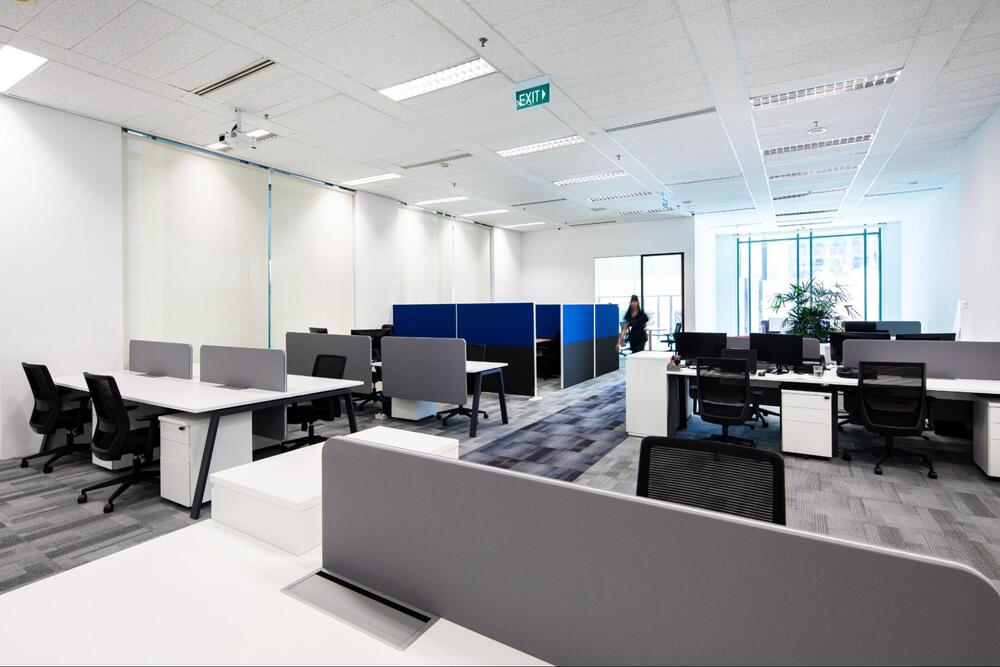
Workplace branding through interior design
2. How can workspace design reinforce brand identity and culture?
Workplace design plays a critical role in shaping how employees, clients, and visitors experience a company’s brand and culture. A well-designed office not only strengthens visual identity but also supports employee engagement, collaboration, and overall workplace experience. The following design strategies show how workspace design can reinforce brand identity and culture in meaningful and measurable ways.
2.1 Translating brand values into physical space
Workplace design can turn brand values into real, everyday experiences within the office environment. By aligning interiors with company identity, businesses can create spaces that feel authentic and consistent with their culture.
Examples include:
- Innovation → technology integration and modern layouts
- Transparency → open collaboration spaces and glass partitions
- Sustainability → eco-friendly materials and biophilic design
- Creativity → flexible breakout areas and visual storytelling
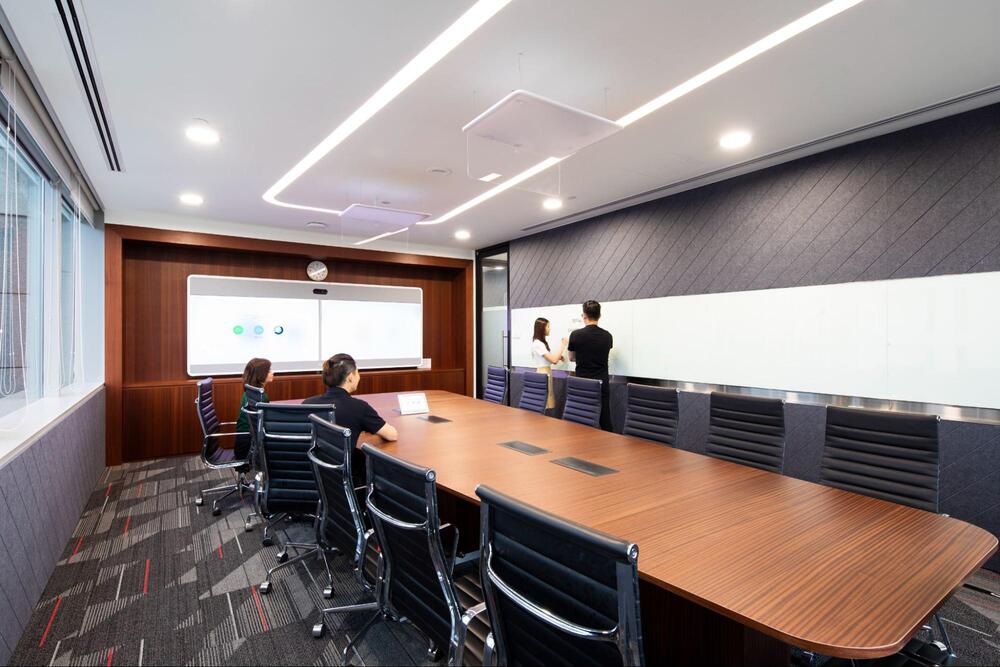
Turning brand values into physical workspace design
2.2 Using color psychology to reflect brand personality
Color psychology helps reinforce brand personality and create emotional connections within the workplace. Many companies incorporate brand colors into walls, furniture, lighting, and environmental graphics to maintain consistency between their office and marketing identity.
Different colors can communicate different emotions, such as:
- Blue for trust and professionalism
- Green for wellness and sustainability
- Yellow for creativity and energy
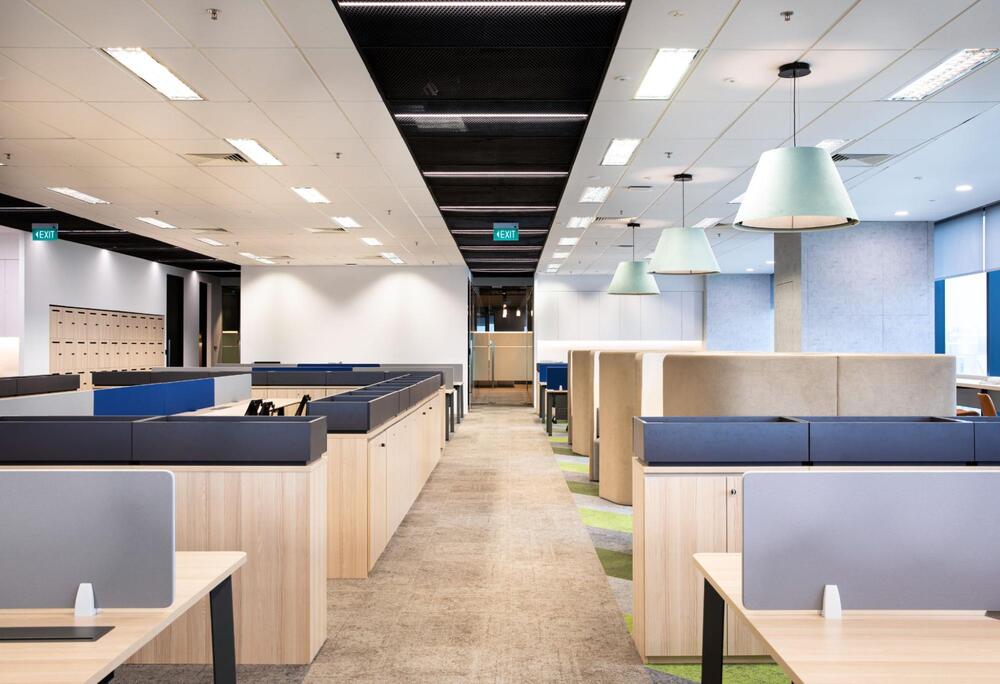
Using color psychology in workplace branding
2.3 Workplace layouts that support company culture
Office layouts play an important role in supporting company culture and employee experience. A well-designed workplace should balance collaboration, flexibility, and focused work.
Common workplace design features include:
- Open collaboration areas
- Hybrid work environments
- Quiet zones and focus booths
- Social spaces that encourage interaction
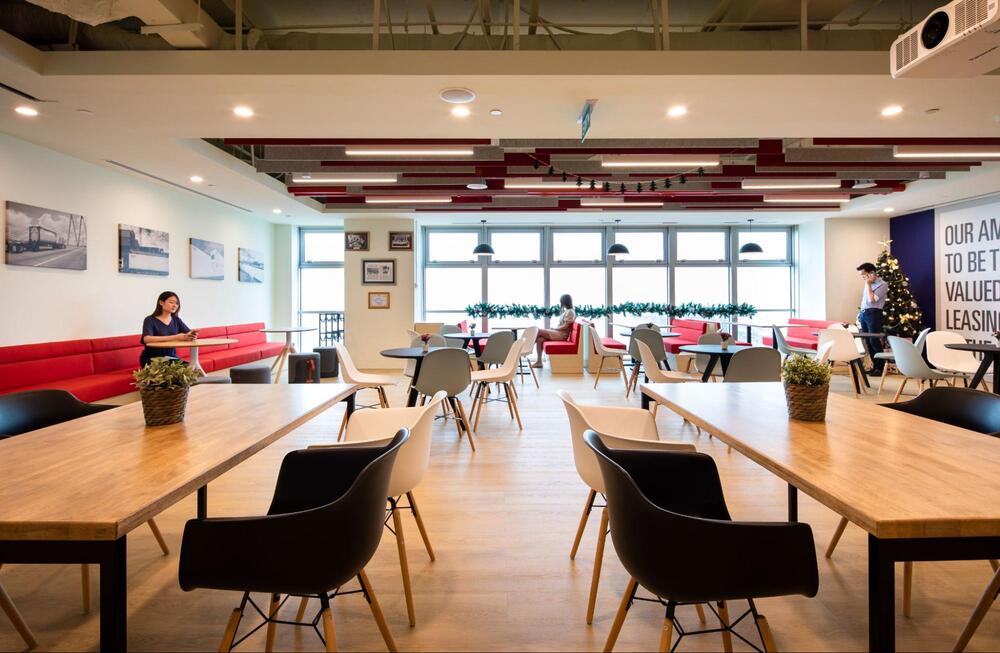
Office layouts that encourage collaboration and culture
2.4 Environmental graphics and wayfinding as branding tools
Environmental graphics and wayfinding systems help strengthen workplace branding while improving the visitor and employee experience. These elements create a more cohesive and memorable office environment.
Examples include:
- Branded signage
- Custom wall graphics
- Mission and values integrated into interiors
- Visitor journey design for stronger first impressions
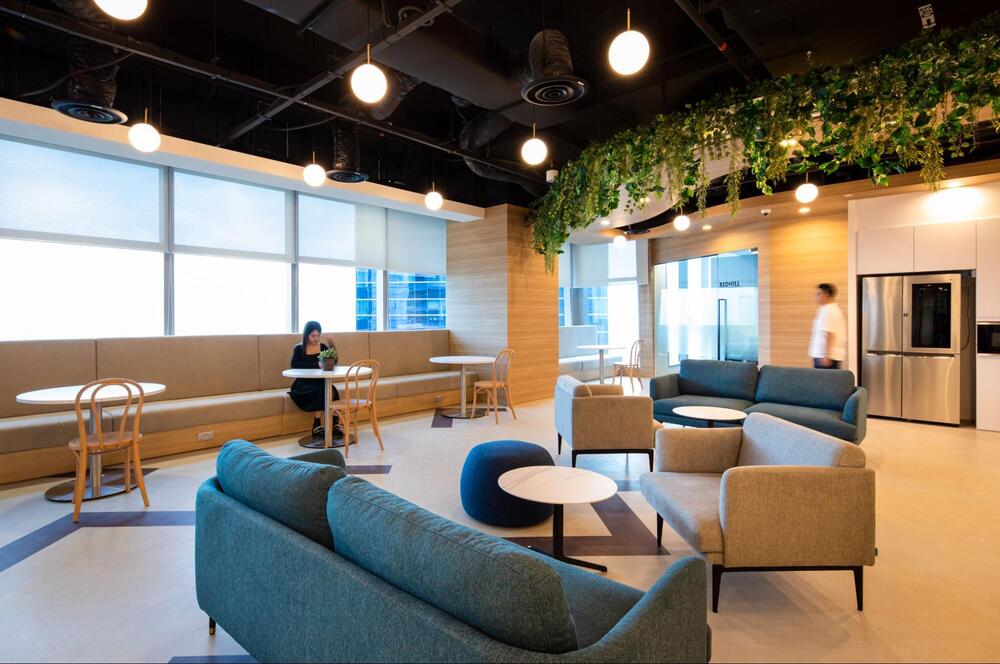
Environmental graphics in workplace branding
3. What is the role of interior design in workplace branding?
Interior design plays an important role in workplace branding by transforming office spaces into physical representations of a company’s identity, culture, and values. Through workplace design, businesses can create environments that strengthen employee experience, support collaboration, and reinforce brand perception for both employees and visitors.
3.1 Creating a memorable first impression
First impressions are an important part of workplace branding. Reception areas, client-facing spaces, and hospitality-inspired environments help communicate professionalism and brand identity from the moment visitors enter the office.
Key elements include:
- Reception design
- Material and lighting selection
- Comfortable client-facing areas
- Hospitality-inspired workplace environments
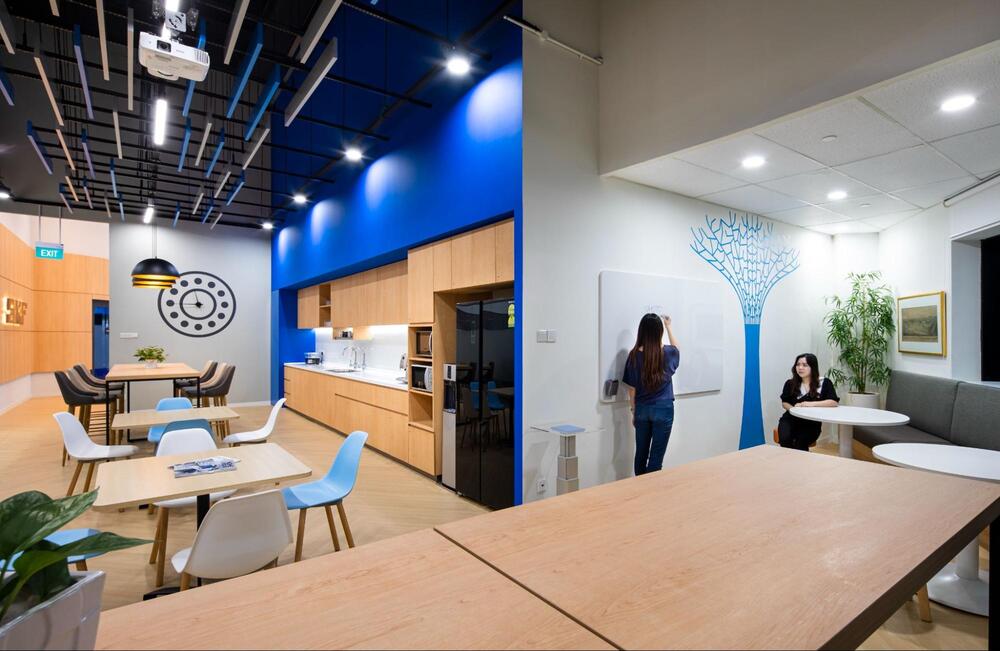
Designing welcoming workplace environments
3.2 Aligning employee experience with brand positioning
A strong workplace design strategy should align employee experience with the company’s brand values and culture. Thoughtful interiors can improve engagement, well-being, and overall workplace satisfaction.
Important considerations include:
- Employee engagement
- Sense of belonging
- Workplace wellness
- Inclusivity and accessibility
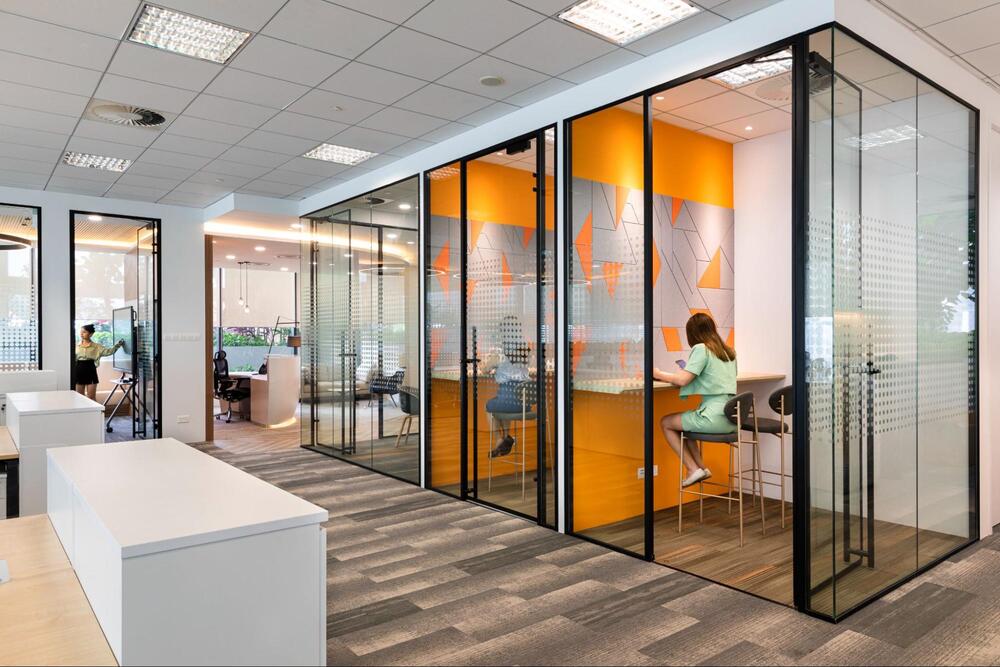
Employee experience through workplace design
3.3 Supporting business functionality while maintaining brand consistency
Effective workplace design should balance functionality with consistent brand expression. Office environments need to support productivity and collaboration while maintaining a cohesive visual identity.
This can include:
- Functional spatial planning
- Acoustic solutions for focused work
- Flexible workplace layouts
- Hybrid collaboration environments
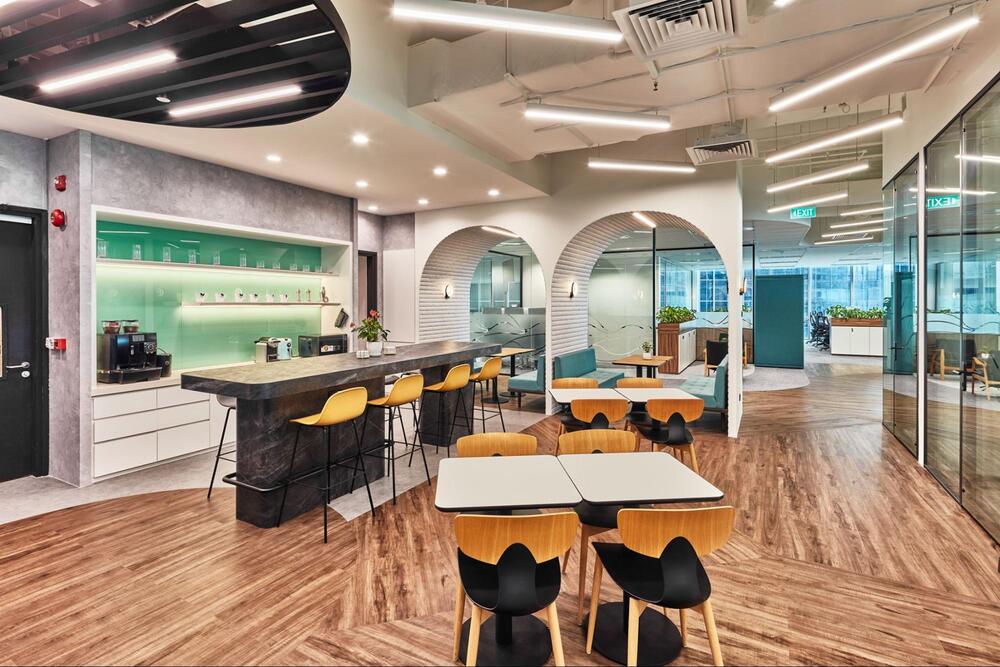
Balancing functionality and brand identity in office design
3.4 Strengthening employer branding through office design
Modern office environments play a major role in attracting and retaining talent. Companies that invest in culture-driven workplace design often create stronger employer branding and better employee experiences.
Key workplace trends include:
- Talent attraction and retention
- Modern workplace expectations
- Culture-driven office experiences
- Gen Z and millennial workplace preferences
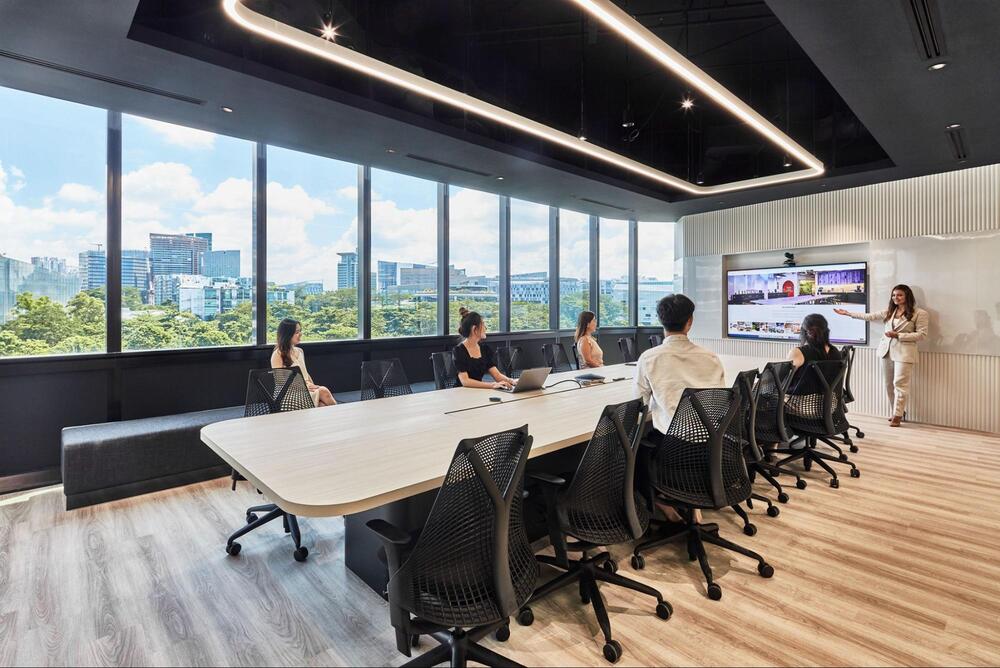
Office design as a tool for employer branding
4. Key elements of a strong workplace branding strategy
A successful workplace branding strategy combines functionality, employee experience, and brand identity within a cohesive office environment. Every design element should support both business goals and company culture while creating a consistent workplace experience.
Key elements of effective workplace design include:
- Spatial planning: creating efficient layouts that support collaboration and workflow
- Material selection: using finishes and textures that reflect brand personality
- Lighting design: improving comfort, productivity, and workplace atmosphere
- Acoustic design: supporting focus, privacy, and communication
- Technology integration: enabling modern and hybrid workplace experiences
- Biophilic design: incorporating natural elements to improve wellness and sustainability
- Flexible collaboration areas: encouraging teamwork and adaptability
- Brand storytelling through interiors: expressing company identity through graphics, furniture, and environmental design
5. How does OSCA design brand-centric workplaces across Asia?
OSCA Asia specializes in workplace design and commercial interior solutions that combine brand identity, employee experience, and business functionality. As a workplace strategy and interior design studio, the company focuses on creating brand-centric environments that support collaboration, culture, and long-term business growth.
OSCA’s approach to workplace branding includes:
- Workplace strategy and space planning
- Human-centric workplace design
- Branding and wayfinding integration
- Project management and design execution
- Sustainable workplace concepts and wellness-focused environments
With a strong presence across Singapore, Malaysia, and Vietnam, OSCA has delivered workplace projects for companies such asTraveloka, SEACO, Accuracy, China Telecom, Xsolla, and BNI.
Through its award-winning workplace interiors, OSCA integrates workplace branding, company culture, and employee experience to create modern office environments that align with evolving business and workforce expectations.
OSCA Asia’s approach to brand-centric workplace design
A strong workplace design strategy can help businesses create office environments that reflect their brand identity, support employee well-being, and enhance workplace culture. By aligning interior design with business values, companies can build more engaging and memorable workplace experiences for both employees and clients. OSCA Asia specializes in workplace design solutions that combine branding, functionality, and employee experience across modern office environments. With expertise in workplace strategy, branded interiors, and human-centric design, OSCA helps businesses create workplaces that support long-term growth and evolving workforce expectations.