A workplace may be complete, but the business using it never stands still. Teams grow and restructure. Workstyles change. Technology evolves. Spaces that once performed well may gradually become underused, overcrowded or less relevant to how people work today. When that happens, the instinct may be to consider a major office renovation or even relocation.
But starting over is not always the answer. In many cases, the greater opportunity lies in understanding what still works, what could work harder and where targeted change would create the most value.
This is where office reconfiguration becomes relevant. Office reconfiguration focuses on adapting an existing workplace around current and future business needs. This may involve changing layouts, repurposing underused areas, introducing new work settings or selectively upgrading furniture, technology and built elements without rebuilding the entire workplace.
Adaptive reuse can form part of this approach by retaining and adapting existing elements that continue to provide value rather than replacing them unnecessarily.
For businesses in Singapore, this can provide another option between leaving the workplace unchanged and committing immediately to a full renovation or office relocation.
Why Do Existing Workplaces Need to Evolve?
Every workplace begins with a set of assumptions.
How many people will use the space? How will teams work together? How many meeting rooms are required? Which areas will be used most frequently?
Those assumptions may be appropriate when the workplace is first designed.
But several years later, the organisation may look very different.
A meeting room intended for frequent formal meetings may now spend much of the day empty. An informal collaboration area may be more popular than expected. Teams that previously worked independently may need to collaborate more frequently.
Hybrid work may have changed occupancy patterns, while new technology may have introduced different requirements for meetings, focused work and digital collaboration.
The physical workplace can remain exactly the same while the organisation around it changes considerably.
This creates a gap between how the space was originally designed and how people actually need to use it today.
Office reconfiguration is one way to close that gap without automatically starting again.
What Is Office Reconfiguration?
Office reconfiguration is the process of adjusting an existing workplace layout, functions or work settings so the space better supports current business requirements.
Depending on the workplace, this could involve:
- Rearranging workstations
- Changing team neighbourhoods
- Repurposing underused rooms
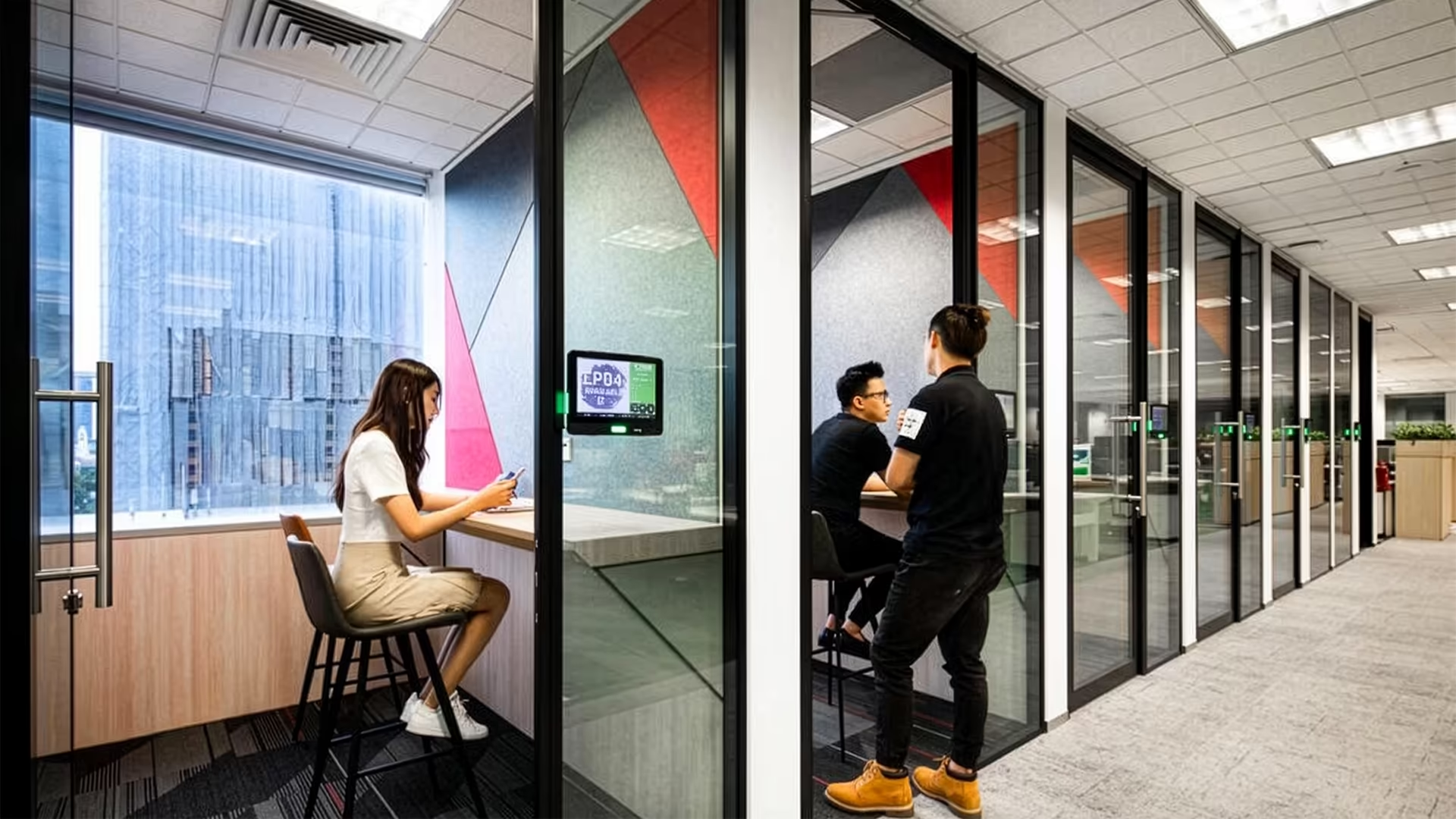
- Introducing focus booths or smaller meeting settings
- Reworking collaboration areas
- Updating shared spaces
- Adjusting furniture layouts
- Adding or modifying partitions
- Improving technology or workplace infrastructure
The objective is not necessarily to transform everything.
It is to identify where the current workplace no longer performs effectively and make the level of change appropriate to the problem.
Office Reconfiguration vs Office Renovation
Office reconfiguration and office renovation can overlap, but they are not necessarily the same thing.
Reconfiguration is primarily concerned with how the existing space is organised and used.
An office renovation may involve a broader transformation, including substantial changes to finishes, infrastructure, built elements and the overall workplace environment.
A business might therefore reconfigure an office without renovating the entire space.
In other situations, the workplace review may reveal that a larger renovation is the more appropriate solution.
The decision should follow the workplace requirement, rather than assuming the scale of intervention in advance.
Where Does Adaptive Reuse Fit In?
Adaptive reuse is one principle that can support workplace reconfiguration.
In the context of workplace interiors, it means looking at existing furniture, joinery, rooms and built elements and asking whether they can remain useful in a different configuration or function.
For example:
- Existing furniture may be rearranged rather than replaced.
- A large meeting room could be divided or repurposed.
- Quality joinery may remain while surrounding areas are refreshed.
Adaptive reuse is about making deliberate decisions about what should remain and what genuinely needs to change.
Three Ways to Improve an Existing Workplace
Not every organisation needs the same type or scale of intervention.
Depending on the workplace’s configuration, the most appropriate approach may be to refresh, reconfigure or optimise selected areas.
Office Refresh
Sometimes the overall workplace continues to function effectively, but parts of the environment feel dated or no longer represent the organisation.
A workplace refresh may include targeted updates to furniture, finishes and lighting. The objective is not to redesign the entire workplace.
It is to update areas where relatively focused changes can improve the workplace experience.
A refresh may be appropriate when the underlying layout remains functional but the environment itself needs an update.
Reconfigure
Sometimes the problem is not how the workplace looks.
It is how the available space is being used.
Changing team structures, occupancy patterns or workstyles may mean the original layout no longer supports the organisation effectively.
Office reconfiguration might include:
- Adjusting workstation layouts
- Repurposing underused rooms
- Changing team neighbourhoods
- Introducing additional focus settings
- Adapting meeting spaces
- Reworking collaboration areas
- Reallocating shared areas
This is where effective space planning becomes particularly important.
The organisation may discover that it does not need more space.
It may simply need to use its current space differently.
Optimise
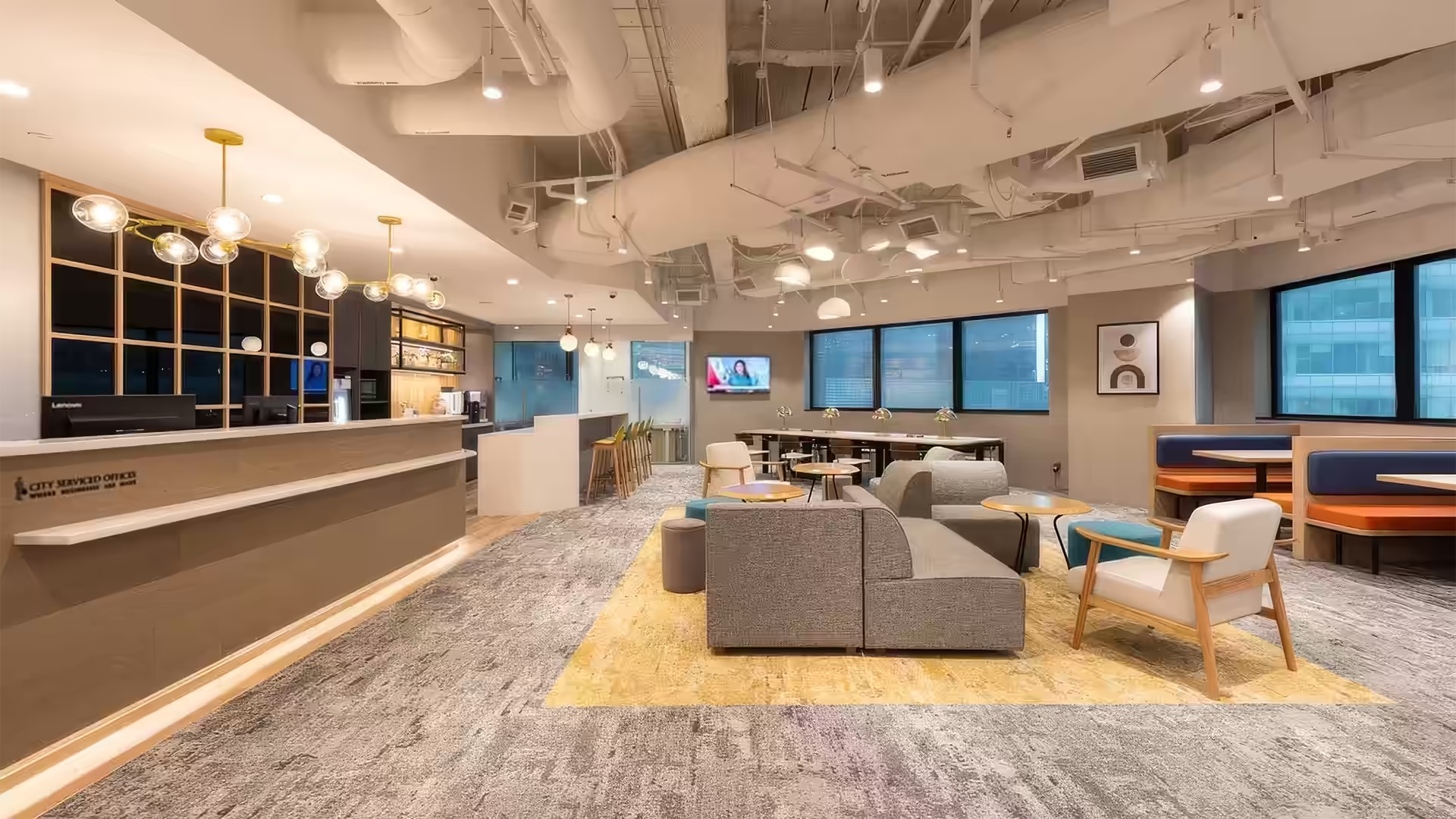
Workplace optimisation begins with understanding performance.
Before changing the physical environment, businesses can examine how different spaces are actually being used.
Useful questions include:
- Which areas remain underused?
- Could existing furniture support a different function?
- Does the balance between workstations, meeting spaces and collaboration areas still reflect how people work?
This is different from treating workplace optimisation as a list of general productivity improvements.
Within an office reconfiguration project, optimisation is about using workplace performance to decide where physical change is actually needed.
It is often less about adding more and more about making what already exists work harder.
When Should You Consider Office Reconfiguration?
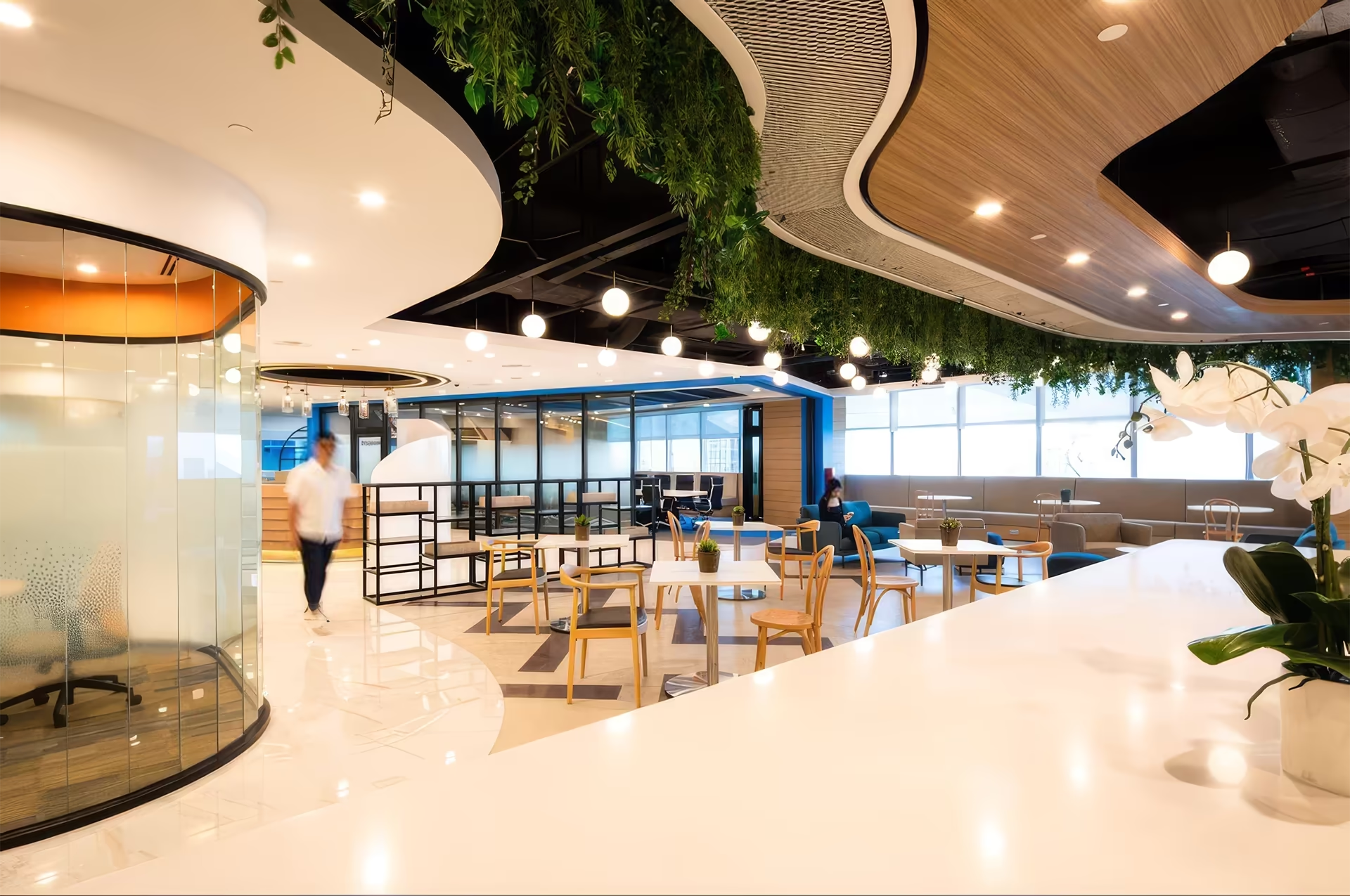
The age of an office does not determine whether change is needed. What matters is whether the workplace still supports the organisation effectively.
Common indicators include:
- Space utilisation has changed Some areas are overcrowded while others remain underused.
- Team structures have changed Growth, restructuring or new teams have changed how people work and collaborate.
- Workstyles have evolved Employees need a different balance of focus, collaboration and meeting spaces.
- Technology requirements have changed Existing spaces or infrastructure no longer support current communication and meeting needs.
- The workplace no longer reflects the business The organisation has evolved, but the workplace still reflects an earlier stage.
- The layout no longer works, but relocation feels unnecessary Reconfiguration may help the existing space perform better without the need to relocate.
When several of these signs appear, a workplace review can help determine whether a refresh, reconfiguration, targeted renovation or larger transformation is the right next step.
Retain What Still Creates Value
Office reconfiguration does not mean changing everything.
An existing element may be worth retaining when it:
- Remains functional
- Supports current operational requirements
- Is durable and in good condition
This is where the principle of adaptive reuse becomes useful.
Existing workstations might be rearranged rather than replaced.
Built-in joinery may remain while surrounding areas are updated.
The purpose is not preservation for its own sake.
It is to retain what continues creating value and focus investment where change can make the greatest difference.
How Can Office Reconfiguration Reduce Business Disruption?
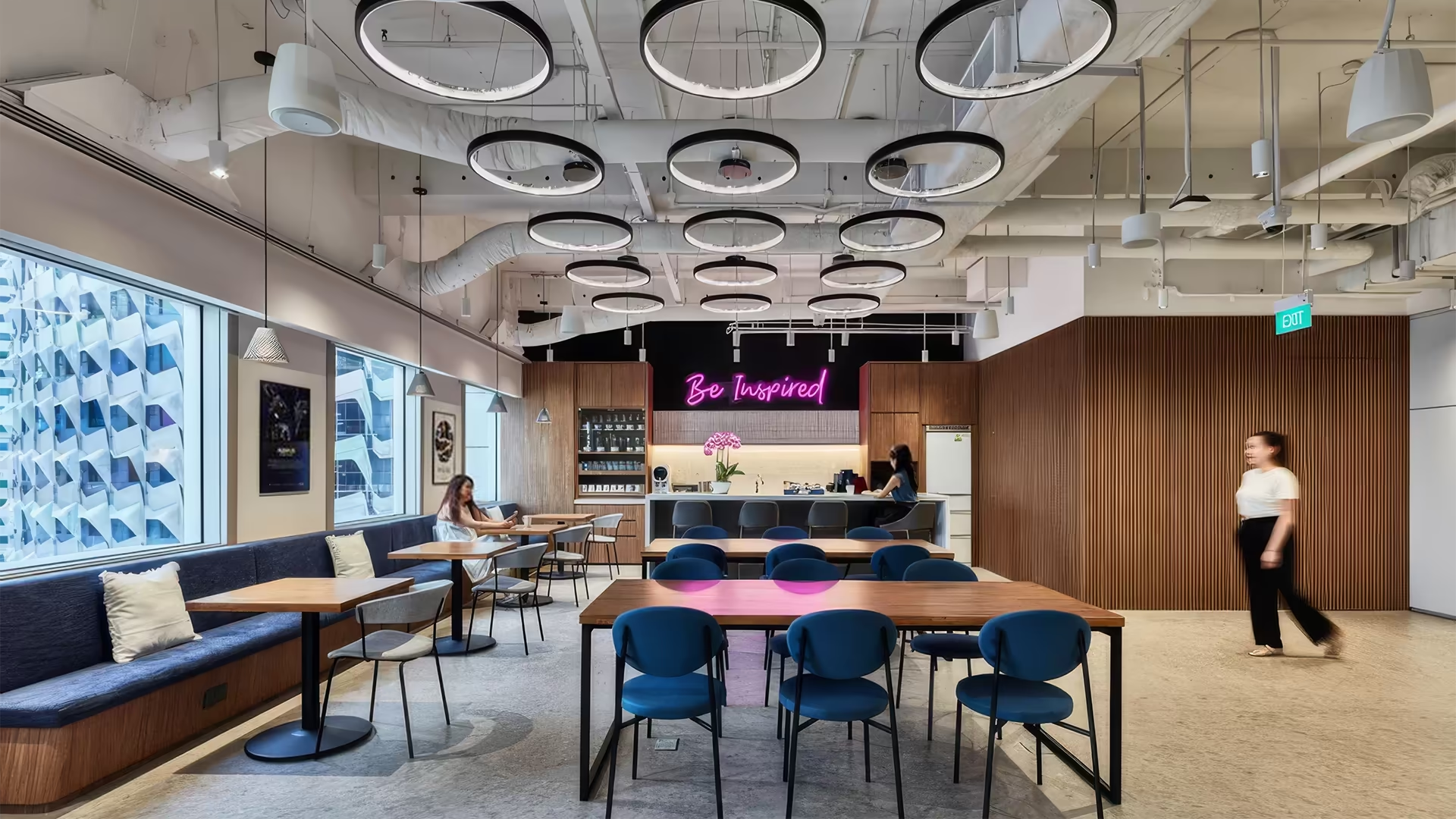
A major office renovation can affect day-to-day operations.
Teams may need to relocate temporarily. Construction can introduce noise, access restrictions and downtime. Work may also need to be coordinated around business-critical periods.
A more targeted reconfiguration can sometimes allow change to happen differently.
Depending on the project, works may be:
- Planned in phases
- Focused on selected areas
- Scheduled around operational requirements
- Sequenced so other parts of the workplace remain available
OSCA Asia’s existing guidance on A&A works in Singapore similarly identifies phased construction and layout reconfiguration as ways businesses can upgrade existing space while maintaining operational continuity.
This does not mean every office reconfiguration can happen without disruption.
The objective is to match the scope and programme to both the workplace requirement and the operational realities of the business.
Effective Project Management becomes particularly important when teams, contractors, technology providers and building requirements need to be coordinated while the workplace remains in use.
Reconfiguration and Workplace Sustainability
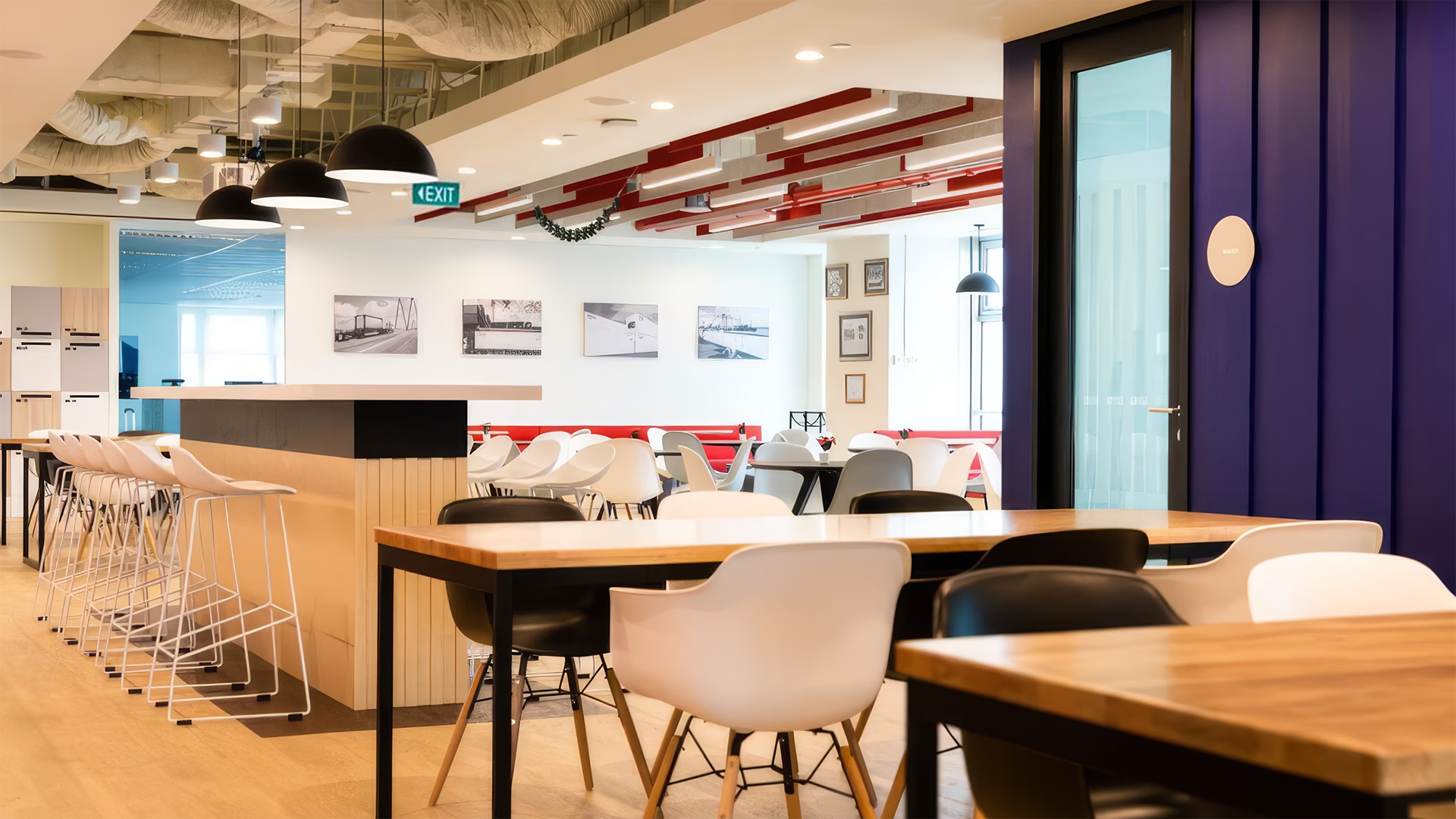
Reconfiguration can also support a more considered approach to workplace resources.
A complete redesign can involve removing furniture, finishes and built elements that may still have useful life remaining.
Before replacement, businesses can assess whether existing elements can be:
- Retained
- Reconfigured
- Refreshed
A useful question is:
“Do we genuinely need to replace this?”
Where existing elements continue performing effectively, keeping them in use for longer can reduce unnecessary material replacement and extend the value of the original workplace investment.
This approach also aligns with Singapore’s National Environment Agency (NEA) guidance on waste minimisation and resource reuse, which encourages reducing waste and extending the useful life of existing materials.
Beyond Completion: The Workplace After Handover
A workplace project may formally end at handover.
The workplace itself does not.
Once people begin using the environment, new requirements gradually emerge.
- Furniture needs attention.
- Teams change.
- Technology develops.
- Operational priorities shift.
Some requirements can be addressed through maintenance. Others may require new customised furniture, built elements or small spatial changes.
This is why workplace planning does not necessarily stop when the initial Design & Build project is complete.
OSCA Care can support the ongoing performance of a completed workplace, while OSCA Craft can provide customised workplace elements where new requirements call for tailored solutions.
Thinking beyond handover allows businesses to treat the workplace as an environment that can continue evolving rather than something that remains fixed after completion.

How to Approach an Office Reconfiguration Singapore
Before making changes, consider five questions:
- What has changed? Review changes in people, workstyles, technology, operations and business priorities.
- What still works? Identify spaces, furniture and built elements that continue to provide value.
- Where are the gaps? Identify where the workplace no longer supports people or operations effectively.
- What level of change is needed? Consider whether the right response is maintenance, a refresh, reconfiguration, targeted renovation, A&A works or a larger transformation.
- How can today’s changes support tomorrow? Consider how the workplace can respond to future changes in teams, technology and business needs.
A structured workplace review can help determine the right level of change without defaulting to a full renovation.
Common Questions About Office Reconfiguration
What Is Office Reconfiguration?
Office reconfiguration involves adjusting the layout, functions or work settings within an existing workplace so the environment better supports current business and employee requirements.
It may involve furniture changes, space reallocation, new partitions, repurposed rooms or targeted upgrades without rebuilding the entire workplace.
Should I Reconfigure or Renovate My Office?
It depends on what is no longer working.
If the main issue is how existing space is allocated or used, reconfiguration may be enough.
If infrastructure, finishes, building systems or large parts of the workplace also require significant change, a broader office renovation may be more appropriate.
OSCA Asia’s Approach to Existing Workplaces
At OSCA Asia, workplace change starts with understanding what already exists and what the business needs next.
By assessing the current space, we identify what should stay, what needs to improve and the right level of intervention.
The goal is not to change more, but to make the right changes.
Could Your Existing Workplace Work Harder for Your Business?
As business needs evolve, your workplace may need to evolve with them, without starting over.
Considering an Office Reconfiguration in Singapore?
OSCA Asia can assess your existing workplace and identify the right level of change, from a targeted refresh or reconfiguration to a broader workplace transformation.