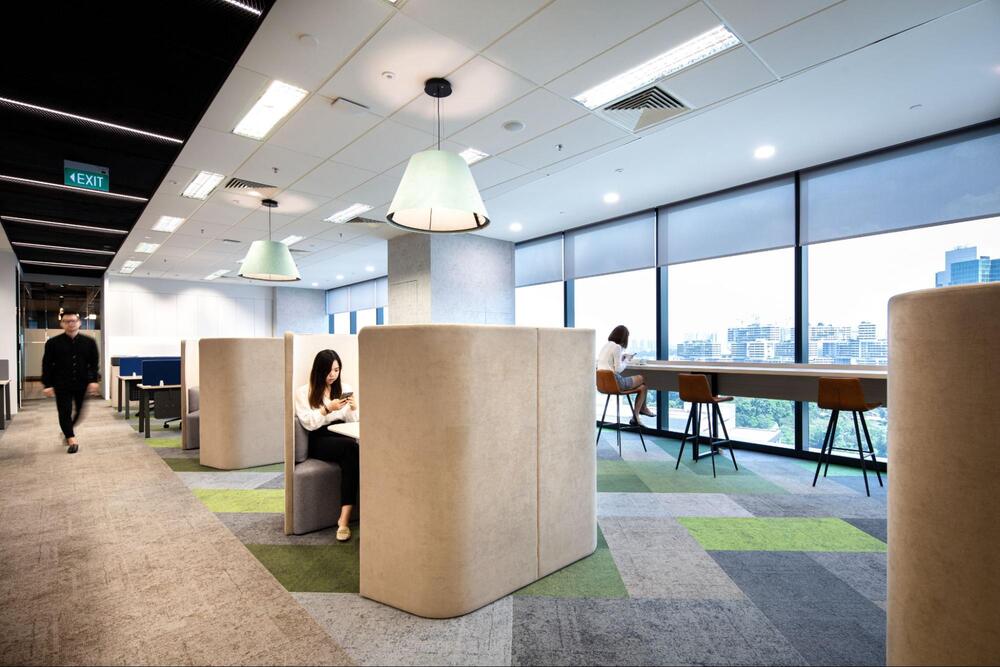
Modern businesses continue to evaluate open office vs closed office layouts to create workplaces that improve productivity, collaboration, and employee experience. In this guide, OSCA Asia explores the advantages, disadvantages, and key differences between open plan office vs closed office environments to help businesses select the most effective workplace strategy.
|
Key takeaways: The key differences between open office space vs closed layouts mainly involve communication, privacy, productivity, and flexibility. Open offices encourage collaboration and faster interaction through shared workspaces, while closed offices support focused work and confidential discussions through private rooms and partitioned areas. Businesses comparing open plan vs closed plan office designs should evaluate employee needs, noise levels, space efficiency, and long-term scalability before making a decision. |
1. What is an open office?
An open office is a workplace layout with few walls or private rooms. Employees work in shared spaces designed for communication, teamwork, and flexibility. Many modern companies choose this model to improve collaboration and use office space more efficiently.
Common elements include:
- Minimal partitions
- Shared workstations
- Flexible seating arrangements
- Open meeting spaces
- Breakout areas
Many companies also combine open work areas with quiet rooms or phone booths. This helps employees handle focused tasks and private conversations when needed. When comparing open office space vs closed layouts, businesses often choose open offices because they support faster communication and easier team interaction.
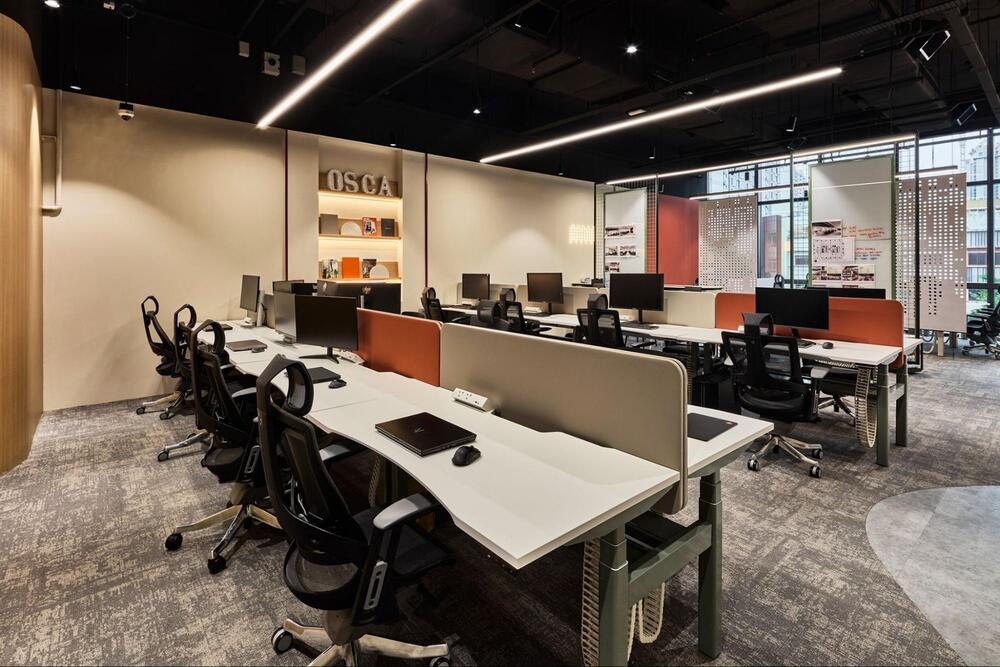
Collaborative open office workspace
Open offices are designed to support daily collaboration and flexible work styles. Several features are common in modern workplaces.
- Open desks: Employees work at shared desks instead of private offices. This setup helps teams communicate quickly and reduces physical separation between departments.
- Shared meeting areas: Open layouts usually include shared meeting spaces for discussions, presentations, and team planning. These areas support quick decision-making without formal scheduling.
- Breakout spaces: Breakout spaces provide informal areas for short meetings or individual work away from the main desk area. They also help employees change environments during the workday.
- Hot-desking: Many companies use hot-desking systems where employees choose available desks instead of fixed seating. This model supports hybrid work arrangements and improves space efficiency.
- Collaborative environments: The main purpose of an open office is to encourage collaboration. Teams can exchange ideas faster and solve problems more efficiently.
Several industries prefer open office layouts because teamwork and flexibility are important to their operations.
- Tech companies: Technology firms often use open offices to support communication between developers, designers, and project managers.
- Creative agencies: Creative teams benefit from fast idea sharing and group collaboration. Open layouts help improve brainstorming and teamwork.
- Startups: Startups often choose open offices because they reduce construction costs and allow easier expansion as teams grow.
- Coworking spaces: Coworking environments use open layouts to maximize seating capacity and encourage networking between businesses.
When businesses compare open plan vs closed plan office designs, they should evaluate workflow, privacy needs, and future growth. The right office layout depends on the type of work, company culture, and employee expectations.
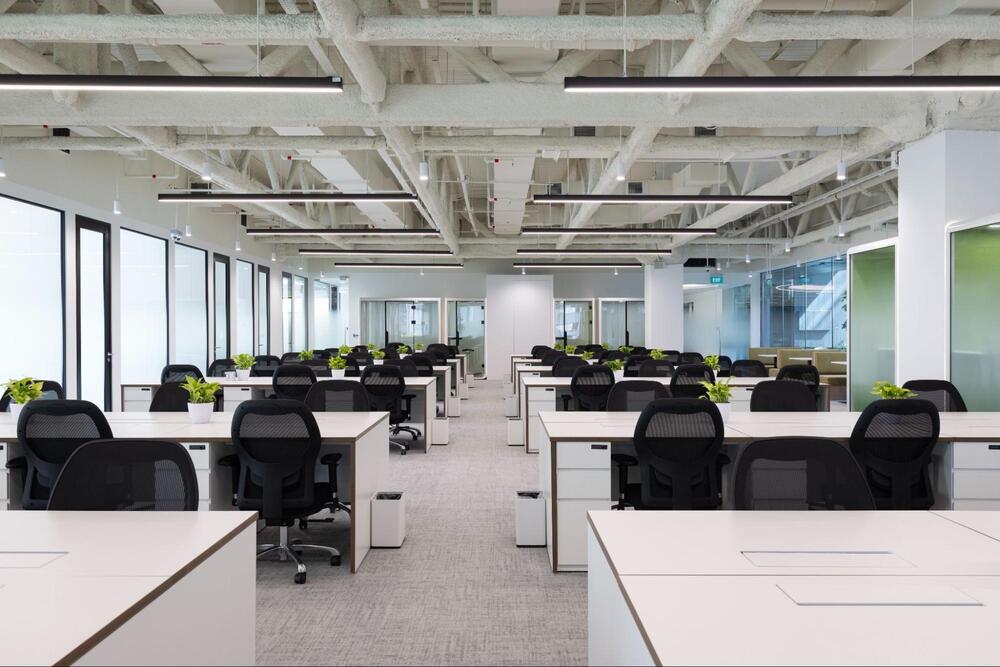
Flexible open plan office environment
2. What is a closed office?
A closed office layout separates employees using walls, partitions, or individual rooms. Each employee or department works in a dedicated space instead of a shared open area.
Most closed office designs include:
- Private offices for managers or teams
- Partitioned workstations
- Meeting rooms with sound insulation
- Controlled access areas
- Dedicated departments
This layout helps organizations create quieter work environments. Employees can handle phone calls, meetings, and confidential tasks without frequent interruptions.
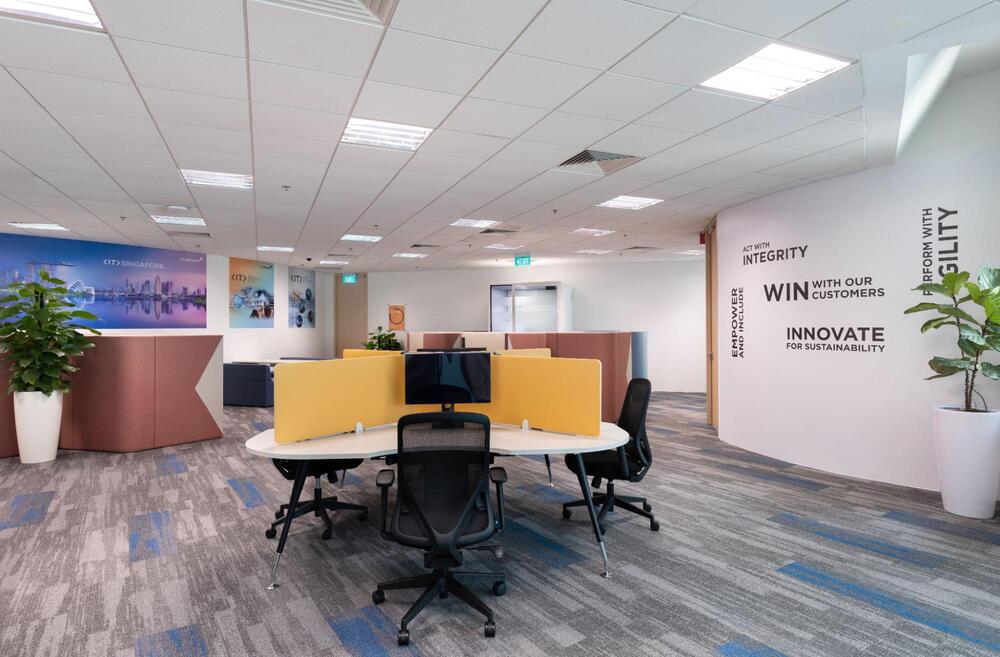
Closed office design for confidential work
Closed offices focus on structure, privacy, and individual productivity. Several features define this workplace model.
- Sound insulation: Closed offices reduce workplace noise through walls, partitions, and enclosed rooms. This helps employees focus on detailed tasks and reduces distractions.
- Privacy: Employees can hold confidential meetings and phone calls without exposing sensitive information. This is important in industries with strict privacy requirements.
- Dedicated work areas: Each employee or department has an assigned workspace. This creates consistency and allows better organization of equipment and documents.
- Controlled distractions: Closed office layouts limit visual and audio interruptions. Employees can complete tasks that require concentration more effectively.
Several industries continue to use closed office layouts because their operations require privacy, compliance, and concentration.
- Legal firms: Law firms handle confidential client information and private discussions. Closed offices help protect sensitive data and support focused legal work.
- Finance: Financial companies often require secure workspaces for client records, financial reporting, and private consultations.
- Healthcare: Healthcare organizations use private offices for patient discussions, administrative work, and data protection.
- HR departments: Human resource teams manage employee records, interviews, and internal issues. Closed environments support confidentiality and professional communication.
The discussion around open space vs closed space workplace design continues because each business has different operational goals. Choosing the right office layout depends on employee needs, company structure, and long-term growth plans.
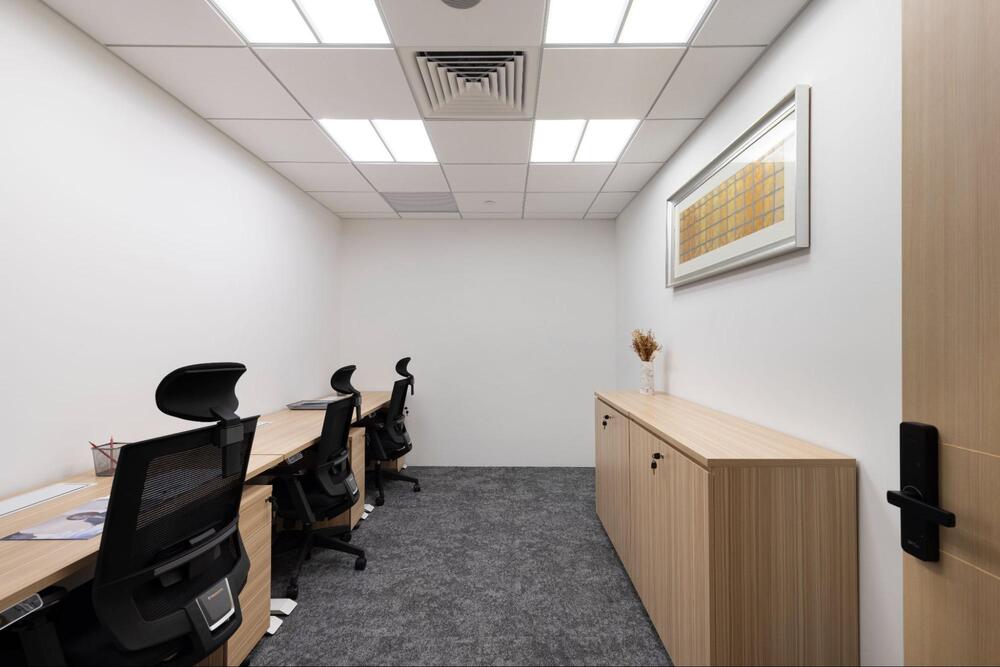
Private closed office workspace design
3. Advantages and disadvantages of open plan office vs closed office
Choosing between an open plan office vs closed office layout affects productivity, communication, employee comfort, and operating costs. Each office model offers different benefits and challenges depending on the type of work, company culture, and business goals.
3.1 Open office space: Pros and cons
An open office uses shared workspaces with minimal walls or partitions. Many startups, technology companies, and coworking spaces prefer this layout because it supports collaboration and flexible work arrangements.
Advantages of open office layouts
- Encourages team collaboration: Open offices allow employees to communicate quickly without moving between separate rooms. Teams can solve problems faster and share ideas more efficiently. This setup works well for creative teams, marketing departments, startups,…
- Improves space utilization: Open layouts reduce the number of enclosed rooms and partitions. Companies can use office space more efficiently and accommodate more employees within the same floor area. This can help reduce construction costs, renovation expenses, and space waste.
- Creates a modern workplace culture: Many businesses use open offices to support transparency and teamwork. Employees often feel more connected when managers and teams work in the same environment.
- Enhances natural light distribution: Fewer walls allow natural light to spread across the office. Better lighting can improve workplace comfort and reduce dependence on artificial lighting.
- Supports agile and hybrid work models: Open offices adapt more easily to flexible seating and hybrid work systems. Companies can reorganize workstations without major construction work.
Disadvantages of open offices
- Noise and distractions: Noise is one of the biggest challenges in open office layouts. Conversations, phone calls, and movement can interrupt focused work.
- Lack of privacy: Employees may struggle to handle confidential discussions or private calls in shared environments.
- Increased stress and mental fatigue: Constant activity and interruptions can increase mental fatigue over time, especially for employees who perform detailed tasks.
- Difficulty handling confidential conversations: Departments such as HR, finance, and legal teams may require private meeting spaces to protect sensitive information.
- Higher risk of workplace interruptions: Open layouts increase spontaneous conversations, which may reduce concentration and productivity.
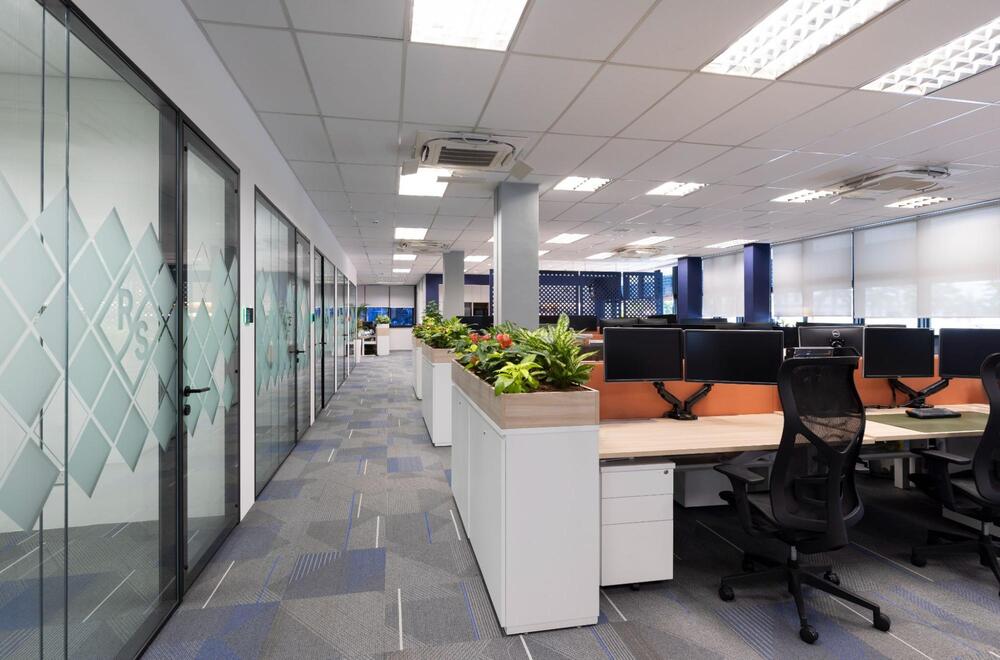
Pros and cons of open office layouts
3.2 Closed office space: Pros and cons
A closed office uses private rooms or partitioned workspaces to separate employees and departments. This layout focuses on privacy, concentration, and controlled working conditions.
Advantages of closed office layouts
- Better focus and deep work: Closed offices reduce interruptions and help employees focus on tasks that require concentration.
- Enhanced privacy and confidentiality: Private rooms support confidential meetings, phone calls, and secure document handling.
- Improved acoustic performance: Walls and partitions reduce workplace noise and improve acoustic control.
- Greater personal workspace ownership: Employees often have dedicated workstations that support organization and consistency.
- Reduced workplace distractions: Closed offices create quieter environments that improve concentration and reduce interruptions.
Disadvantages of closed offices
- Reduced collaboration: Physical barriers can slow communication between departments and reduce spontaneous interaction.
- Less workplace flexibility: Closed layouts are harder to modify when teams expand or organizational structures change.
- Higher construction costs: Private offices require more walls, doors, and infrastructure, increasing construction and maintenance costs.
- Limited natural light distribution: Enclosed rooms may block natural light and create darker work areas.
- Potential communication silos: Departments working separately may experience slower information sharing and weaker collaboration.
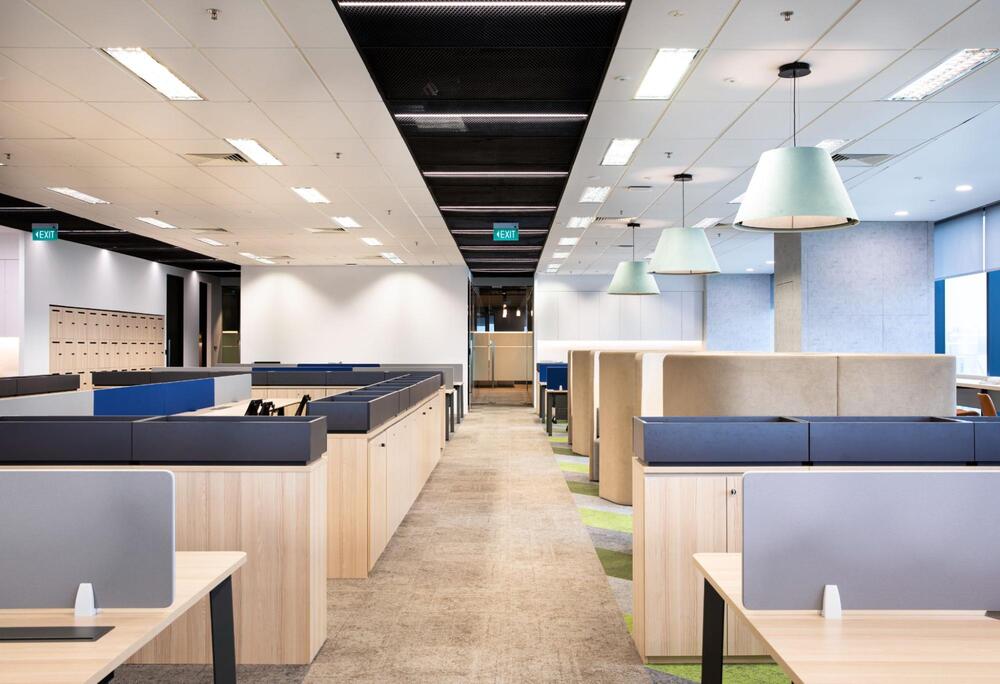
Advantages and disadvantages of closed plan office design
4. Open office vs closed office: Key differences
The debate around open office vs closed office design continues because each layout affects communication, productivity, privacy, and operating costs differently. Businesses must evaluate their workflow, employee needs, and future growth before selecting the right office structure.
4.1 Collaboration and communication
Communication is one of the biggest differences between open and closed office layouts.
Open offices encourage spontaneous interaction. Employees can ask questions, share updates, and solve problems quickly without scheduling formal meetings. Teams working in shared environments usually exchange ideas faster. This is one reason many businesses prefer open plan than closed plan office layouts for collaborative work cultures. However, open communication can also create distractions. Frequent conversations may interrupt employees who need concentration for detailed tasks.
Closed offices support structured communication. Employees hold discussions in private rooms without disturbing nearby coworkers. Companies comparing open office vs closed office designs should evaluate how employees communicate each day. Teams that rely on continuous collaboration may benefit from open layouts, while departments handling confidential discussions often require enclosed spaces.
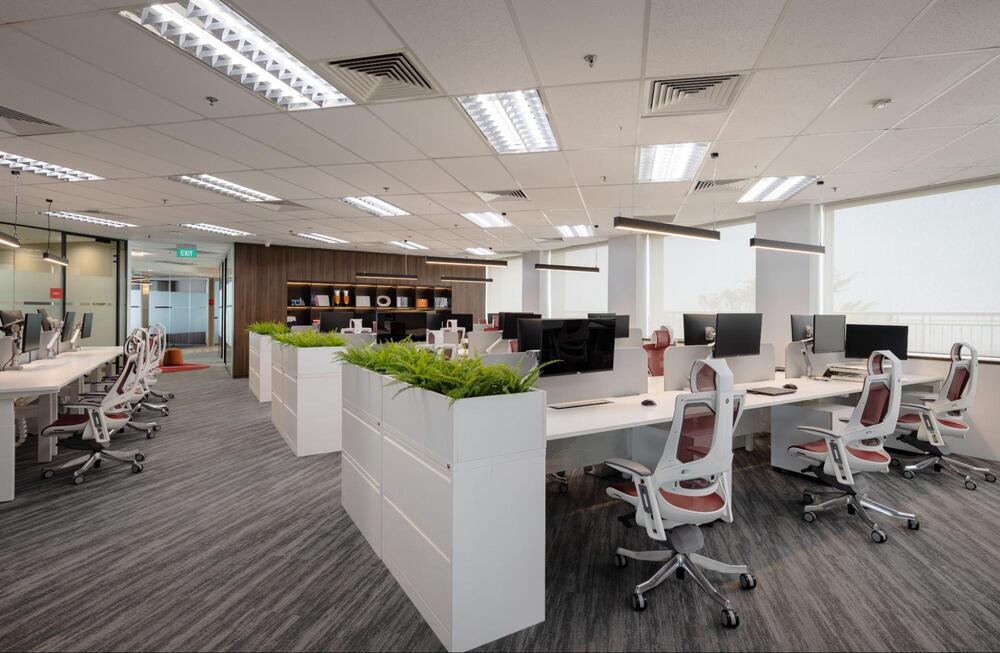
Team communication in open office layouts
4.2 Productivity and focus
Productivity levels can change significantly depending on office layout.
Open offices support teamwork, but noise and movement may reduce concentration. Employees handling detailed tasks may struggle with constant interruptions. For this reason, many businesses combine open workstations with quiet rooms or focus areas.
Closed offices provide stronger support for deep work. Employees can focus for longer periods without visual or acoustic interruptions. When businesses compare open office space vs closed environments, they should measure how much focused work employees perform daily.
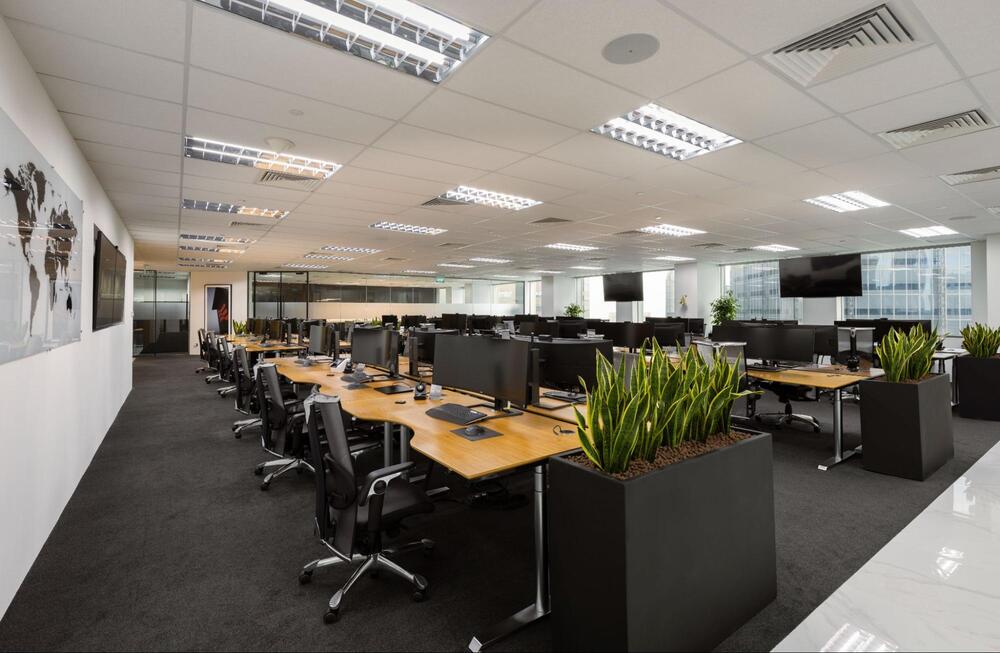
Open workspace collaboration and productivity
4.3 Employee privacy
Privacy is another major factor in open office vs closed office planning.
Open offices provide limited personal space. Employees may feel uncomfortable discussing confidential topics in shared environments. Sensitive phone calls and private meetings can become difficult without enclosed rooms.
Closed offices improve confidentiality and psychological comfort. Employees can manage private conversations, meetings, and sensitive documents more securely. Organizations evaluating open space vs closed space office strategies should review both operational privacy needs and employee comfort levels.
Confidential workspace in closed offices
4.4 Noise levels and acoustics
Noise control directly affects employee performance and workplace satisfaction.
Open offices often experience higher noise levels because employees share the same environment. Without acoustic planning, distractions can increase stress and reduce productivity.
Closed offices naturally provide stronger acoustic performance through physical separation and enclosed rooms. Companies considering open plan office vs closed office layouts should evaluate whether their teams require quiet environments for daily tasks.
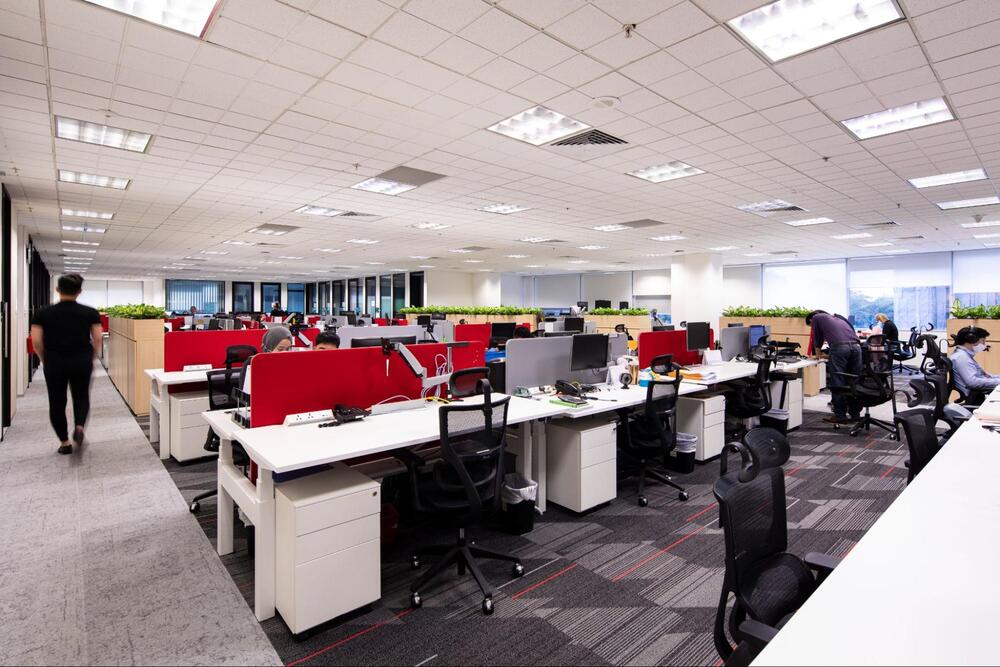
Acoustic solutions for open offices
4.5 Space efficiency and cost
Open offices generally use office space more efficiently. Fewer walls and private rooms reduce construction costs and allow more flexible workstation arrangements.
Closed offices require more square footage, partitions, and infrastructure. Construction and maintenance costs are often higher. However, some businesses accept these costs to improve privacy and employee focus.
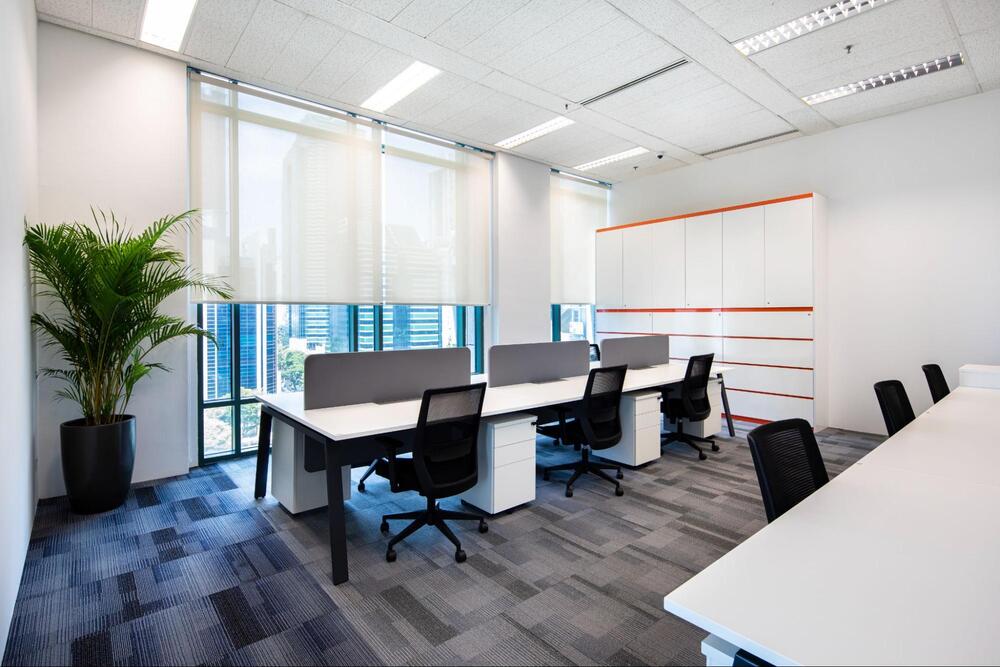
Space optimization in open office design
4.6 Flexibility and scalability
Open office layouts are easier to modify when companies grow or restructure teams. Businesses can move desks and expand departments without major renovations.
Closed offices are less flexible because walls and room divisions limit layout changes. For growing businesses, scalability is an important factor when choosing between open plan vs closed plan office environments.
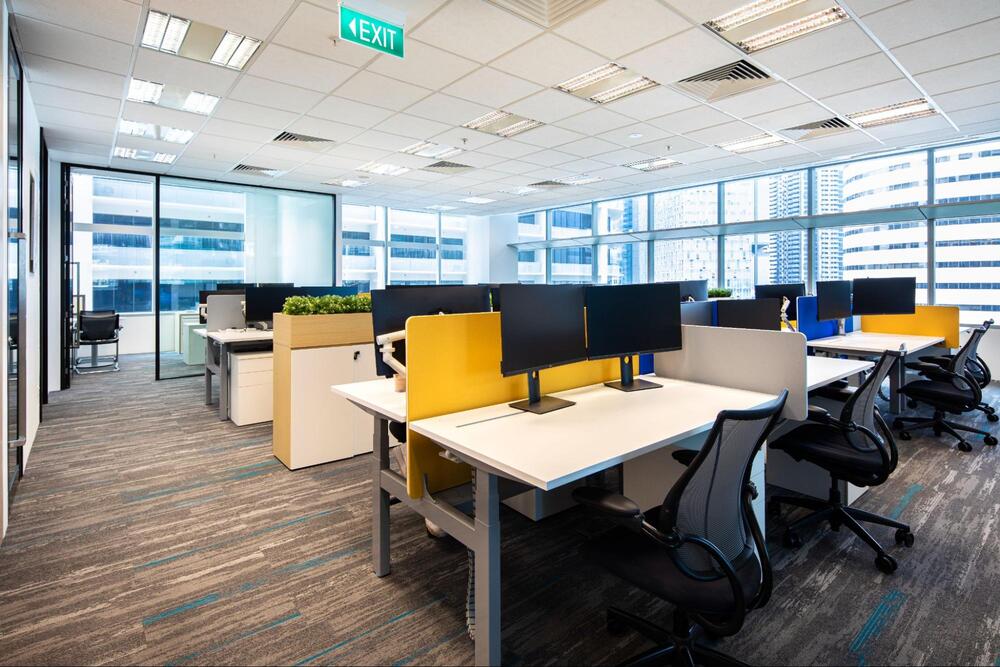
Modular office layout for growing companies
5. Factors to consider when choosing between open and closed offices
Choosing between an open office vs closed office layout affects productivity, communication, privacy, and operating costs. Every company has different operational needs, so businesses should evaluate their workflow before selecting a workplace design.
Company size
Company size plays an important role in office planning. Small businesses and startups often choose open office layouts because they reduce construction costs and maximize available space. Open layouts also make communication faster for smaller teams.
Larger companies may require a combination of open and private work areas. Different departments usually need different working conditions.
Nature of work
The type of work employees perform each day should guide office design decisions.
Open offices work well for:
- Team collaboration
- Creative discussions
- Agile project management
- Fast communication
Closed offices are more suitable for:
- Confidential meetings
- Financial reporting
- Legal documentation
- Focused analytical work
Employee preferences
Employee comfort directly affects workplace performance.
Some employees prefer open environments because they encourage teamwork and social interaction. Others work better in quiet spaces with fewer distractions.
Before deciding between open office vs closed office layouts, companies should collect employee feedback through surveys or workspace testing. Many businesses now use hybrid office models that combine collaborative areas with quiet rooms to support different work styles.
Budget and office space availability
Budget is another key factor in workplace planning.
Open office layouts generally cost less because they require fewer partitions, less construction work and flexible furniture systems.
Closed offices often require higher investment for walls, sound insulation, and infrastructure. Companies comparing open office space vs closed environments should calculate both setup costs and long-term maintenance expenses.
Acoustic and privacy requirements
Noise control and privacy are major concerns in modern workplaces.
Open offices may create distractions from conversations and movement. Businesses can reduce noise by adding acoustic panels, quiet zones, phone booths and soundproof meetings rooms.
Closed offices naturally provide stronger sound control and better confidentiality. Industries handling sensitive information often require enclosed workspaces to protect employee and client data.
Future scalability
Companies should choose office layouts that support long-term growth.
Open offices are easier to modify when teams expand because workstations can be rearranged without major renovations.
Closed offices are less flexible due to walls and fixed room structures.
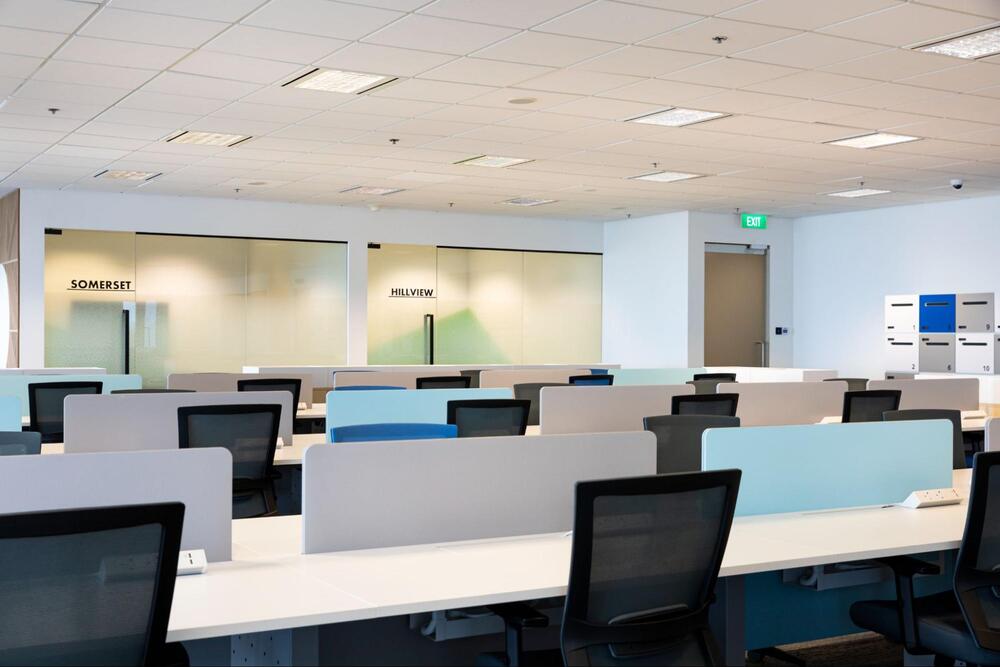
Choosing the right office layout for your business
Choosing between an open office vs closed office layout is not only about design preferences. The right workplace strategy should support employee productivity, communication, operational efficiency, and long-term business growth.
As a workplace design and build specialist, OSCA Asia helps organizations create office environments that align with both business objectives and employee experience. From space planning and workplace strategy to office fit-out and interior design, OSCA Asia delivers tailored solutions for companies across different industries.
Whether a business prefers an open collaborative environment or a more private workspace structure, OSCA Asia focuses on creating offices that improve functionality, flexibility, and daily operations. The company carefully studies how teams work, communicate, and use office space before developing customized workplace solutions.
OSCA Asia also helps businesses future-proof their workplaces by designing scalable office environments that can adapt to organizational growth and changing work models. As hybrid work continues to evolve, many companies now require office layouts that support both teamwork and focused individual work. OSCA Asia addresses these needs through modern and efficient workplace planning.