Brand identity today is shaped as much by physical experience as by marketing and digital channels. In offices, interior design has become a strategic medium that communicates how a brand operates, what it values, and how it should be perceived. Brand identity interior design translates brand strategy and positioning into a coherent spatial experience, where layout, materials, colour, lighting, and graphics work together as consistent brand touchpoints. This article examines what brand identity in interior design means, why it matters, the elements that define it, and how to select the right interior design studio to achieve long-term value.
1. What Is Brand Identity in Interior Design?
Brand identity interior design is the practice of translating a brand’s strategy, values, and positioning into a physical space. It ensures that every spatial decision supports how a brand wants to be perceived and experienced. Unlike decorative interior design, this approach is anchored in business objectives, user behaviour, and long-term brand consistency.
Offices, retail environments, and commercial interiors become brand touchpoints, just like a website or a product interface. Layout, materials, colours, lighting, and signage are selected to reinforce meaning, not trends. The goal is to create a clear and repeatable design identity interior that aligns physical space with corporate intent.
In interior design identity, brand identity is intentional and structured. It starts with internal decisions made by leadership, designers, and stakeholders. These decisions define how the space should function, feel, and communicate. Brand image, by contrast, is external. It is shaped by visitors, clients, and employees based on their real experience of the environment.
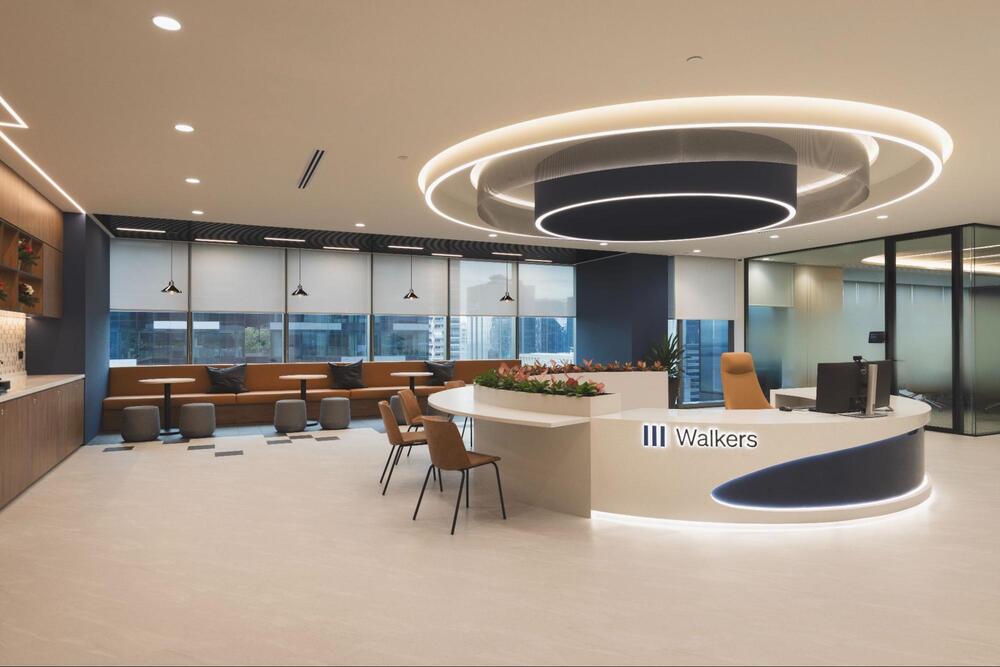
Interior design identity expressed through layout and materials
2. Why Brand Identity Matters in Interior Design?
Brand identity interior design plays a critical role in how a brand is perceived, trusted, and remembered.
- Shapes perception instantly: In physical spaces, interior design communicates brand values before any words, products, or interactions occur.
- Ensures clarity and consistency: Alignment between interior design and brand identity creates a coherent experience across physical, digital, and corporate touchpoints.
- Strengthens brand recognition: Consistent use of colours, forms, materials, and spatial language helps users instantly recognise the brand across locations.
- Builds trust and credibility: Familiar, well-aligned environments reduce confusion and reinforce reliability and professionalism.
- Influences behaviour and belief: Layout, circulation, and visual hierarchy guide movement, interaction, and how people perceive the brand’s positioning.
- Enhances customer experience: Clear zoning, intuitive wayfinding, and well-designed client-facing areas support confidence and decision-making.
- Supports employee engagement: Identity-driven workspaces communicate expectations, reinforce culture, and align daily behaviour with business goals.
- Improves operational efficiency: Spaces designed around brand purpose reduce friction, support productivity, and encourage effective collaboration.
- Protects long-term value: Identity-led interiors age better than trend-based designs and adapt more easily to organisational change.
- Turns space into a strategic asset: Brand identity interior design aligns people, processes, and environment to reinforce trust at every touchpoint.
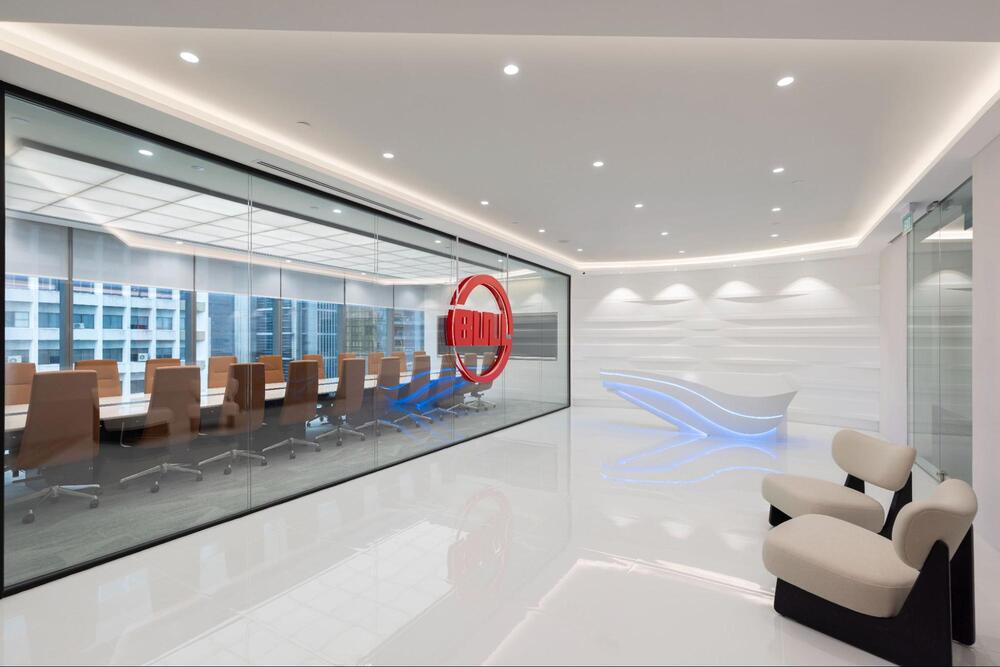
Brand consistency across physical workspaces
3. Key Elements of Brand Identity Interior Design
3.1 Brand Values and Spatial Storytelling
Brand values form the foundation of brand identity interior design. Every spatial decision should reflect what the brand stands for and how it wants to be perceived. This requires translating abstract values into physical form through layout, hierarchy, and visual cues.
In interior design brand identity, storytelling is not decorative. It is embedded in how users move through the space and interact with it. The sequence from entrance to workspace or client area should reflect the brand’s priorities, whether that is openness, precision, innovation, or reliability.
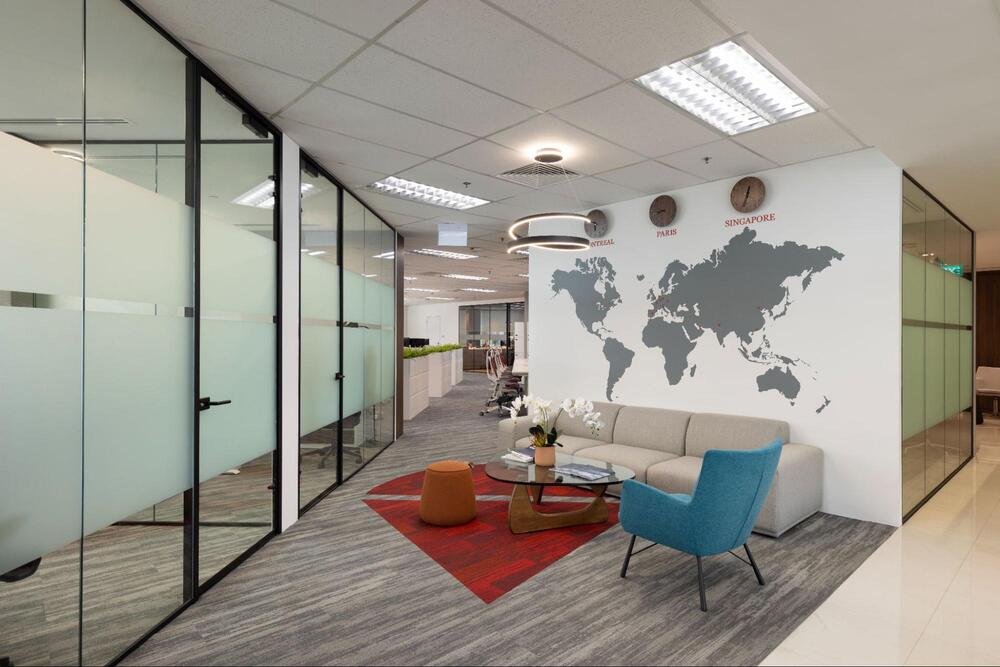
Spatial storytelling through office layout design
To apply brand values spatially, follow these steps:
- Identify core brand values and business objectives
- Define spatial behaviours that support those values
- Translate behaviours into layout and zoning principles
- Reinforce principles through consistent design decisions
For example, a brand focused on transparency may prioritise open sightlines, shared spaces, and minimal barriers. A brand focused on expertise may emphasise structured layouts and controlled client-facing zones. This process strengthens design identity interior by linking intent to experience.
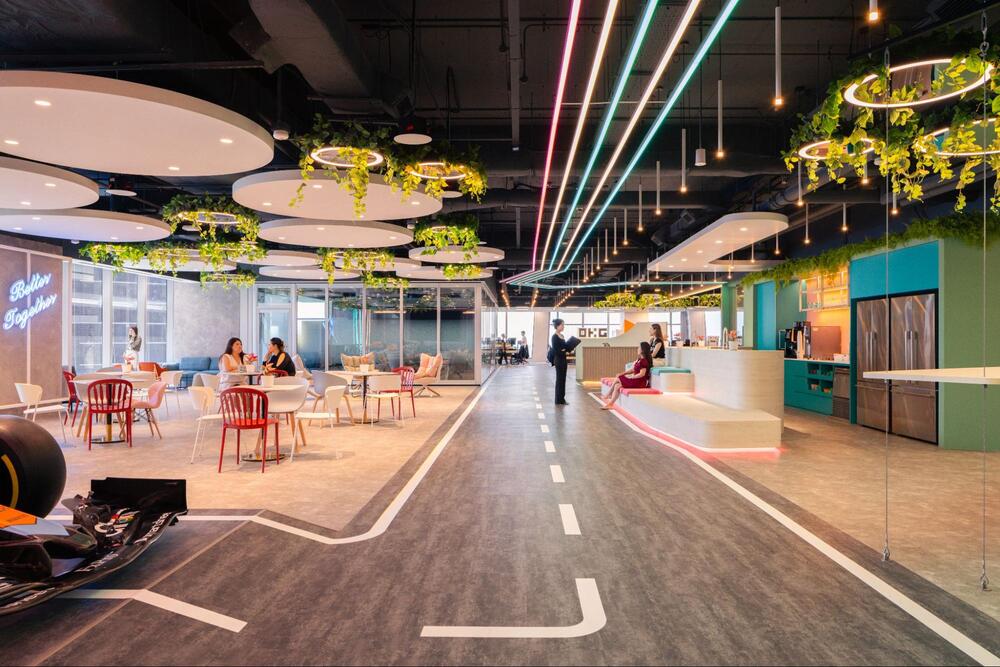
Workplace design that reflects corporate culture
3.2 Colour Psychology and Material Selection
Colour and material choices are critical tools in interior design identity. They influence perception, comfort, and trust. In corporate identity interior design, colours should align with brand guidelines while remaining practical for long-term use.
Material selection reinforces brand character and performance. Durable finishes support reliability. Natural materials support sustainability. Technical materials support innovation. Each choice must balance aesthetics, maintenance, and lifecycle cost.
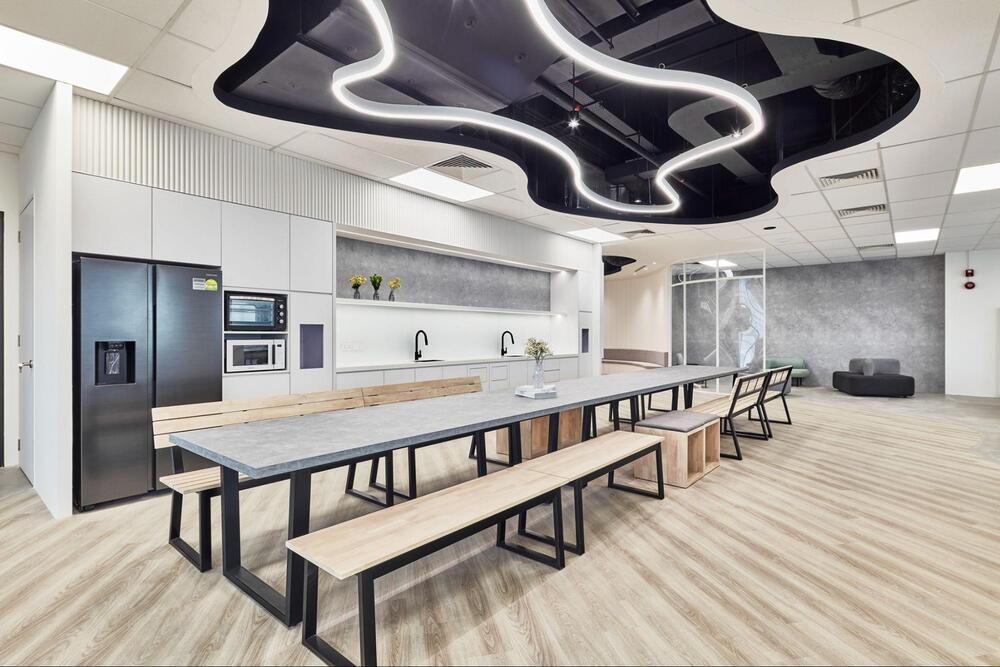
Brand colour application in interior design
To manage colour and materials effectively:
- Start with brand colour hierarchy, not trends
- Define primary, secondary, and neutral tones
- Select materials based on use, durability, and brand meaning
- Apply finishes consistently across key touchpoints
This disciplined approach ensures interior design brand identity remains coherent and scalable.
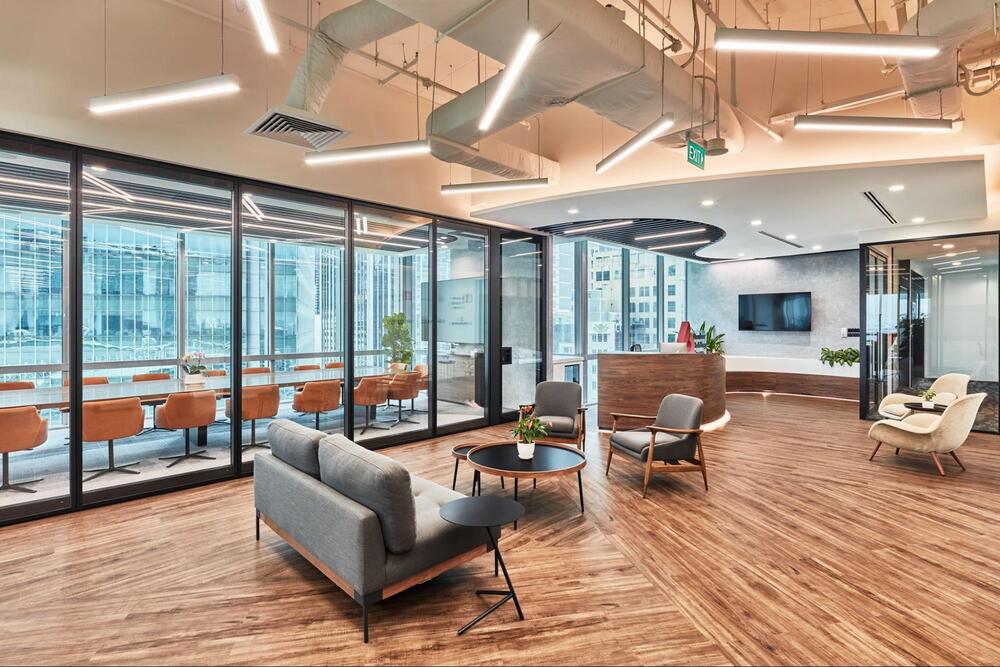
Balancing aesthetics and performance in corporate interiors
3.3 Spatial Planning and User Experience
Spatial planning is the core functional element of identity interior design. It determines how people work, interact, and move within the space. In brand identity interior design, layout reflects how the organisation operates, not just how it looks.
Effective planning supports workflow, collaboration, focus, and privacy. It also defines client experience through reception areas, meeting rooms, and circulation paths. Poor planning undermines even strong visual identity.
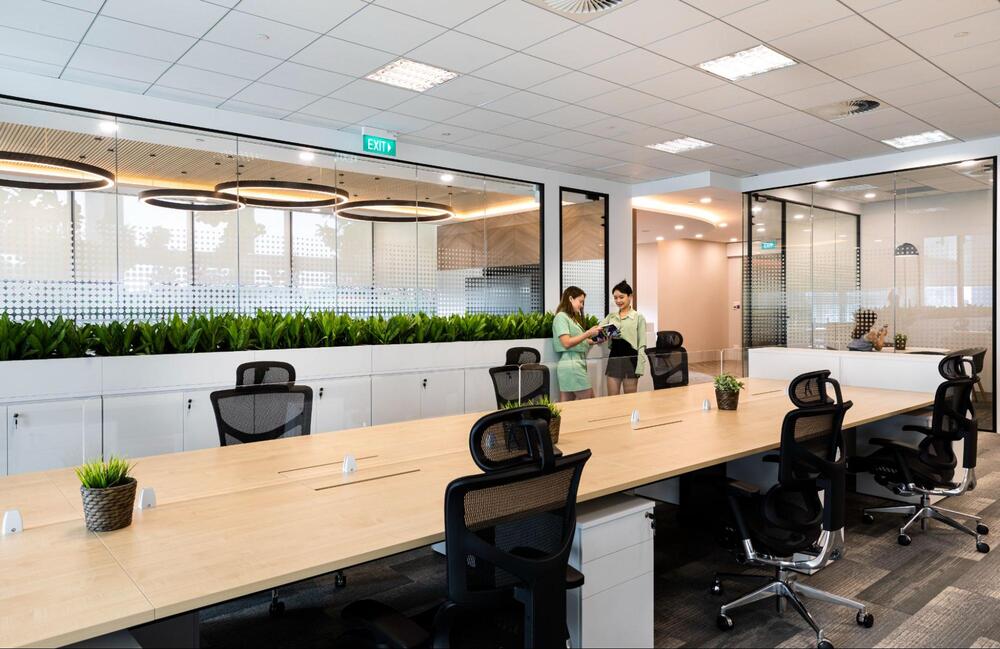
Spatial planning aligned with business workflow
Key principles for interior design identity planning include:
- Clear zoning based on function and user type
- Logical circulation with minimal disruption
- Alignment between workspace layout and workflow
- Flexibility to support future change
When planning supports behaviour, design identity interior becomes intuitive and efficient.
Designing functional zones for collaboration and focus
3.4 Graphics, Signage, and Environmental Branding
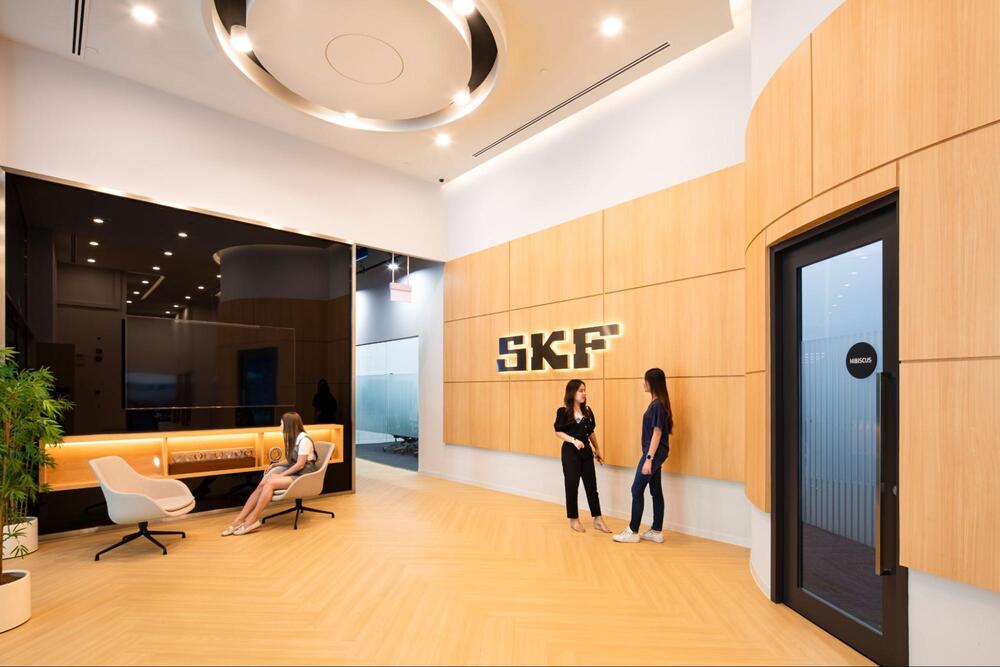
Graphics and signage complete interior design brand identity by reinforcing recognition and navigation. In corporate identity interior design, these elements should support clarity rather than decoration.
Environmental branding includes logo placement, typography, wayfinding, and wall graphics. Each element must follow brand guidelines and integrate with the architecture. Overuse weakens impact and creates visual noise.
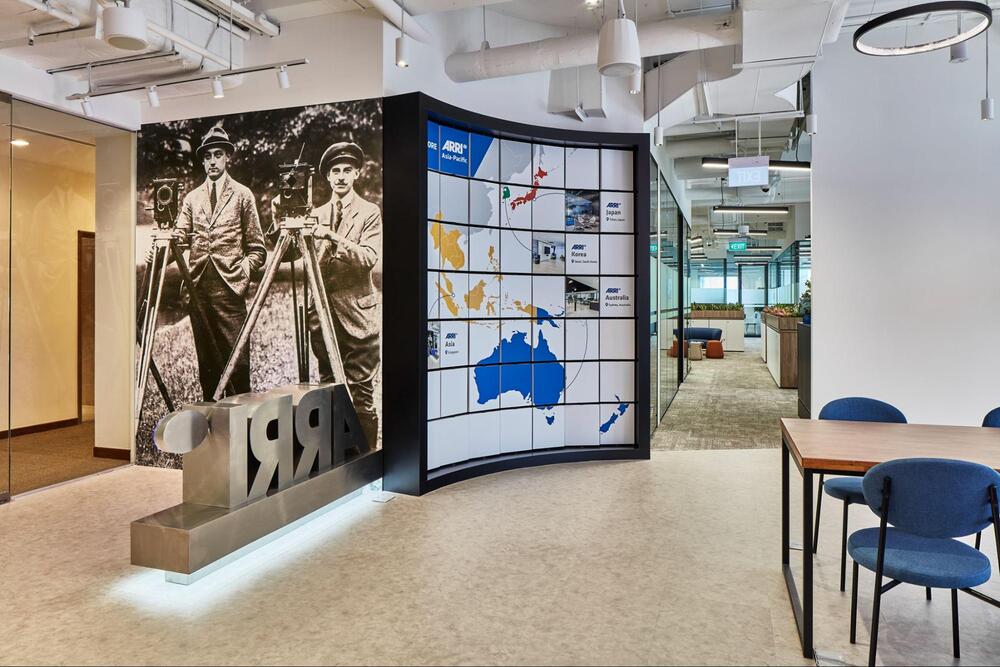
Logo and graphic integration in corporate interiors
To apply graphics effectively:
- Define clear rules for logo use and placement
- Integrate wayfinding into spatial design early
- Use graphics to support orientation and storytelling
- Maintain consistency across all interior touchpoints
When executed with control, graphics strengthen brand identity interior design and improve user confidence.
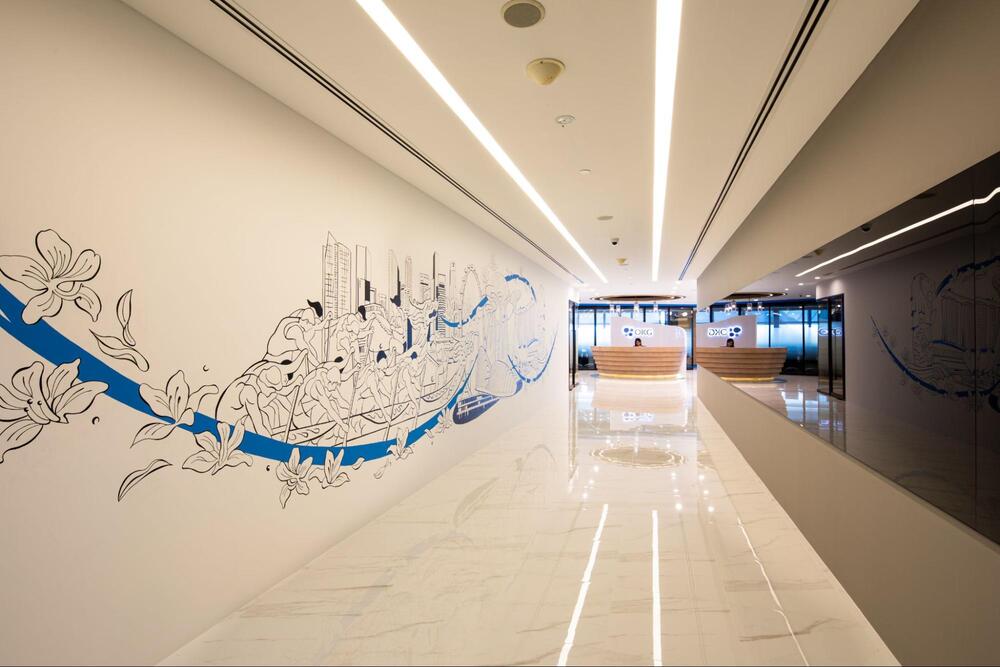
Wayfinding and signage as part of brand identity
4. How to Choose a Brand Identity Interior Design Studio
A qualified identity interior design studio meets specific criteria that protect both brand and budget. These criteria help filter surface-level designers from strategic partners.
1. Understanding of branding and business
A studio must show clear knowledge of brand strategy, not just visual identity. It should ask about values, positioning, growth plans, and user behaviour. In brand identity interior design, questions matter as much as answers.
2. Cross-sector experience
Studios with experience across offices, retail, and commercial interiors understand different user needs. This breadth supports stronger interior design brand identity decisions and reduces risk when scaling or adapting spaces.
3. Design and build capability
Integrated design and build ensures control over quality, budget, and timeline. In corporate identity interior design, this alignment reduces gaps between intent and execution.
4. Clear process and governance
A credible studio explains each stage, from strategy and concept to delivery. It provides documentation, approvals, and cost checks. This structure supports trust and compliance.
5. Evidence of long-term performance
Look for projects that have aged well. A strong interior design identity remains relevant and functional beyond initial handover.
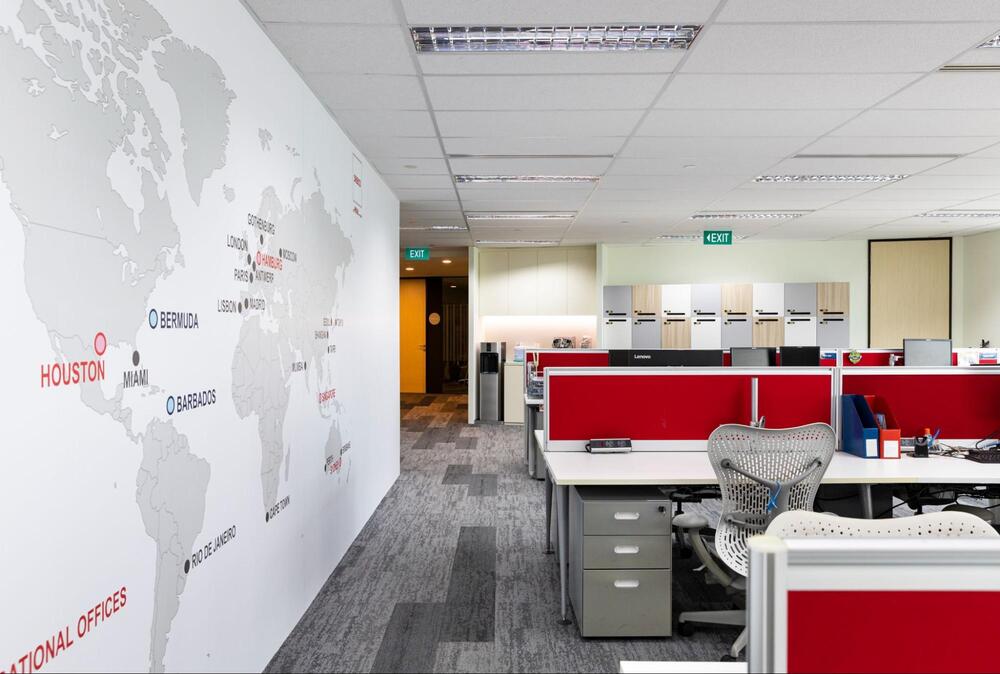
Evaluating interior design studios for brand identity projects
Why OSCA Is a Strategic Choice for Brand Identity Interior Design?
OSCA approaches brand identity interior design through a structured, business-led process. The studio integrates strategy, design, and delivery to ensure alignment between brand intent and spatial performance.
With proven experience across commercial sectors in Asia, OSCA understands how corporate identity interior design supports growth, culture, and customer trust. Its design and build capability ensures consistency from concept to construction, reducing risk and maintaining quality.
OSCA focuses on creating a clear design identity interior that supports people, workflow, and long-term value. The result is an interior design identity that performs as a brand asset, not just a visual statement.
Choosing the right studio is a strategic decision. A partner like OSCA ensures that identity interior design for office delivers clarity, control, and lasting impact.
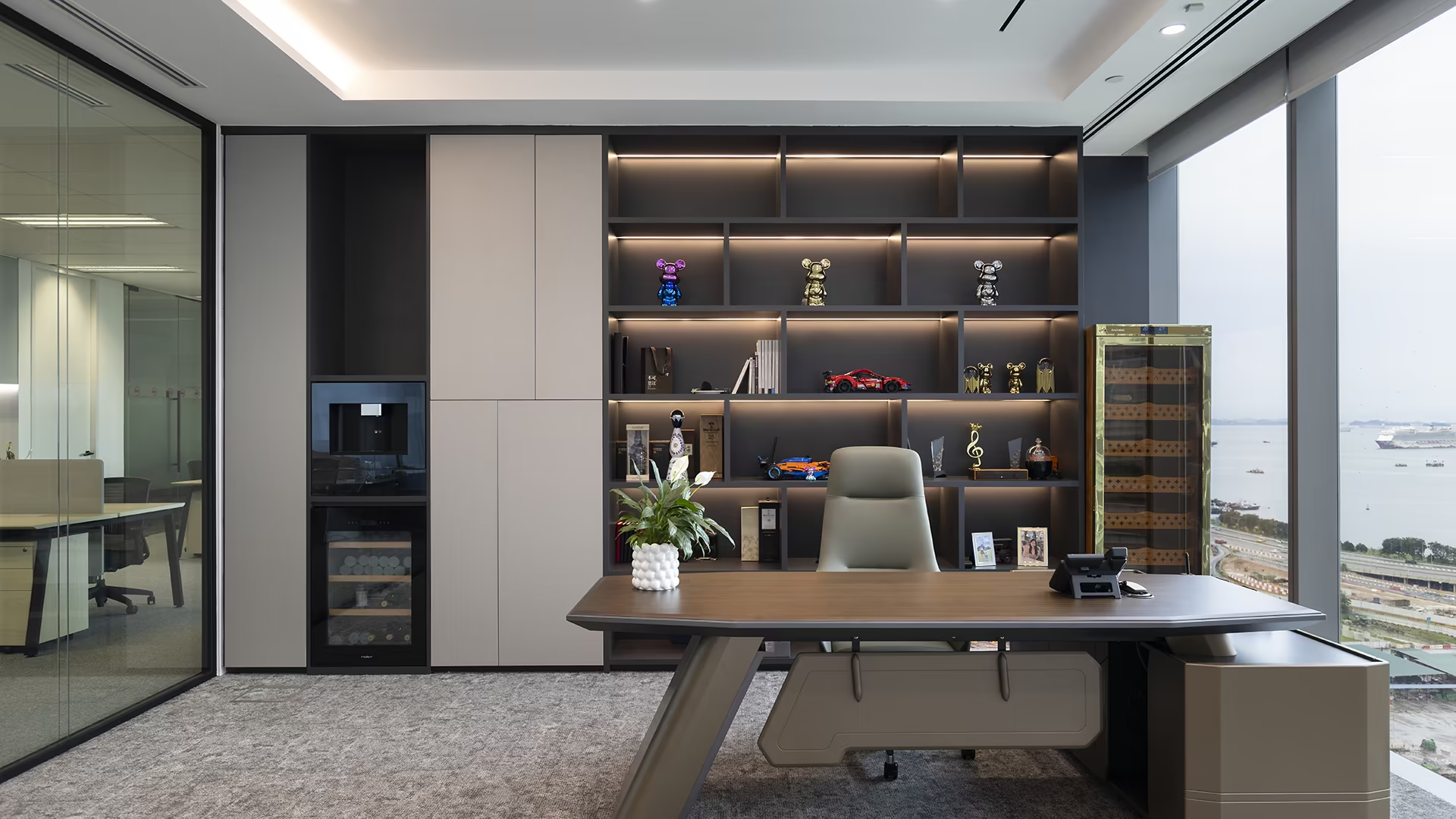
Commercial interior projects designed by OSCA
Effective brand identity interior design transforms space into a strategic asset that supports recognition, experience, and long-term business performance. When brand values are embedded into planning, materials, and spatial behaviour, interiors reinforce trust and consistency at every interaction. If you are seeking a partner who understands branding, business, and delivery as one integrated process, OSCA offers a structured, design-and-build approach that turns brand intent into high-performing spaces.
Contact OSCA today to explore how your interior can work as a true extension of your brand.